Satirical Memo: How to Turn a Candidate into a Martyr with a Few Clicks
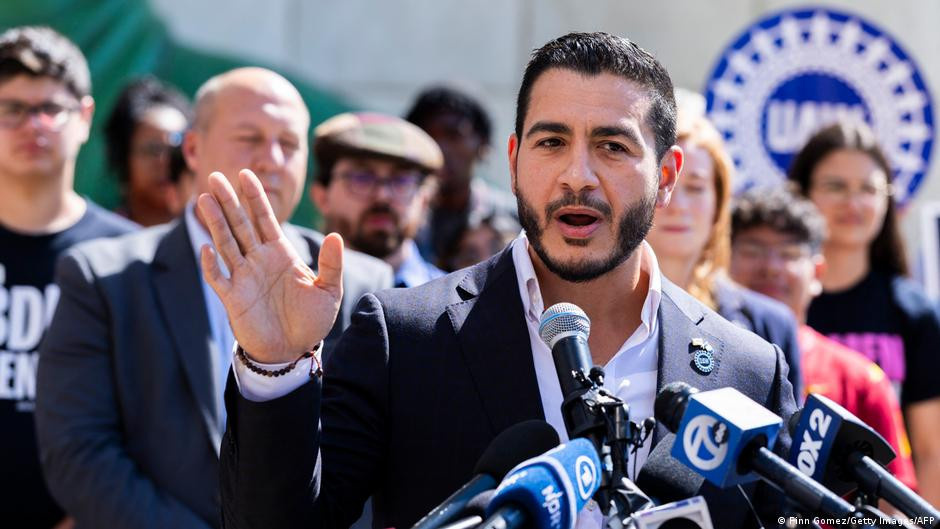
In the bizarre world of political campaigning, where facts are often stranger than fiction, the recent primary victory of Abdul El-Sayed, a leading progressive candidate for the U.S. Senate, has sparked a frenzy of misinformation that reads like a poorly scripted soap opera. Following El-Sayed's win, a slew of false claims have emerged, making him the latest target in a long-standing tradition of political disinformation.
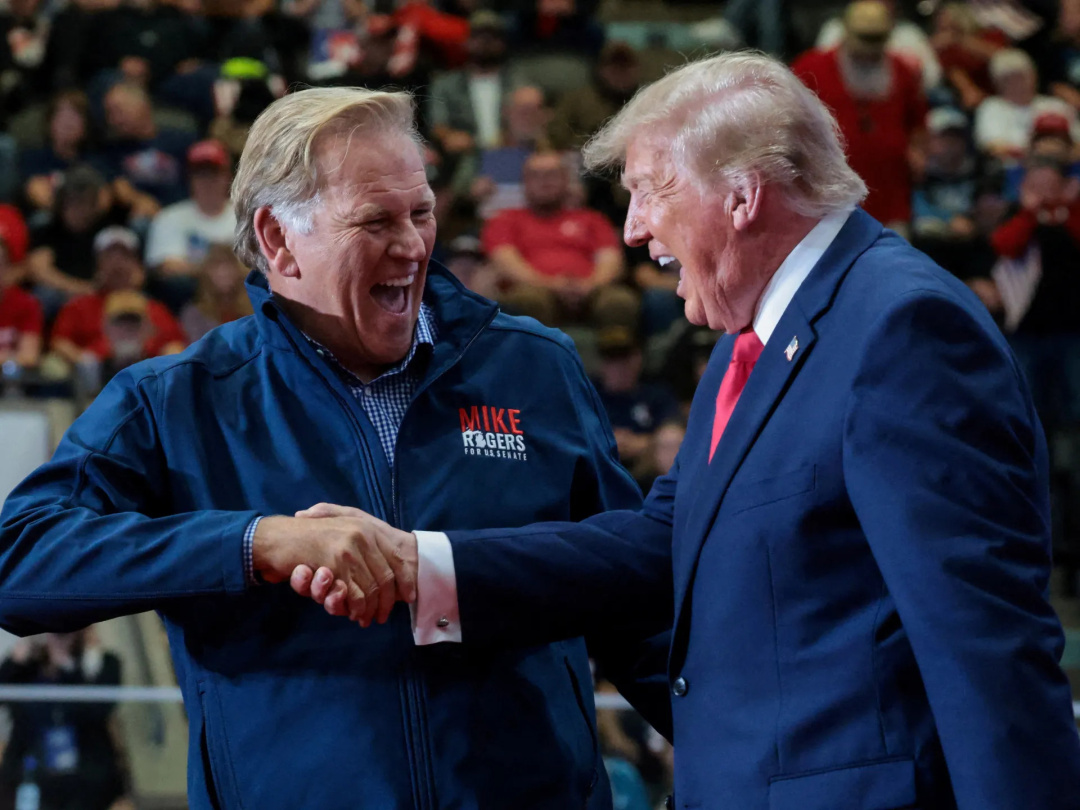
El-Sayed, who could become the first Muslim senator in U.S. history if he wins against Republican Mike Rogers this November, has quickly become a political piñata. Online platforms have erupted with creative claims, including one particularly nonsensical assertion that he received 1.4 million votes in Detroit, a city with approximately 480,000 registered voters. This claim, absurdly exaggerated, was enthusiastically spread by a Facebook account cheekily named "America's Last Line of Defense," which proudly declares that "nothing on this page is real." If only their followers took that disclaimer to heart.
Still Beats Watergate:
Sponsor success. Continue reading:
The misinformation circus doesn’t stop there. Former President Donald Trump, ever the expert in stirring the pot, threw in his two cents, suggesting that "miracles happen in Wayne County," implying a shadowy conspiracy of voter fraud. With no evidence to back up his claims, the former president's words echoed like a bad joke at a political rally.
Meanwhile, El-Sayed's actual campaign messages—government-sponsored health insurance and taxing billionaires—have been twisted into bizarre claims that he is a communist. Trump himself took to Truth Social to label El-Sayed as such, a move that must have left political commentators scratching their heads in disbelief. One can only imagine the confusion at the local GOP headquarters as they strategize how to paint a progressive candidate as a red menace.
But what’s a good smear campaign without some guilt by association? Enter Hasan Piker, an El-Sayed supporter who once made a controversial remark about 9/11 that has since been dragged into the fray. Rogers, eager to capitalize on this, has accused El-Sayed of believing that America deserved the attacks, an allegation so convoluted it could make a pretzel jealous.
In a world where political rhetoric often blurs the lines of reality, El-Sayed's candidacy is being framed not just as a campaign for office but as a battle against an avalanche of disinformation. As the election approaches, voters are left to sift through the wreckage of fake news, wondering just how far the rabbit hole goes. With the stakes high and the truth low, one thing is for sure: the political theater is alive and well, and the scripts are being written in real-time.
As we watch this unfolding drama, it’s crucial to remember that every click on a false claim is a vote for confusion. In a time when democracy is under threat, perhaps the greatest act of rebellion is to demand clarity, truth, and a little less theater.