American Exceptionalism: A Grand Identity Crisis at 250
In a stunning twist of fate, the United States is celebrating its 250th birthday while simultaneously questioning its own identity. The once steadfast notion of American exceptionalism, which was like a comforting blanket for both parties, is now fraying at the edges as they bicker over what it really means to be exceptional.
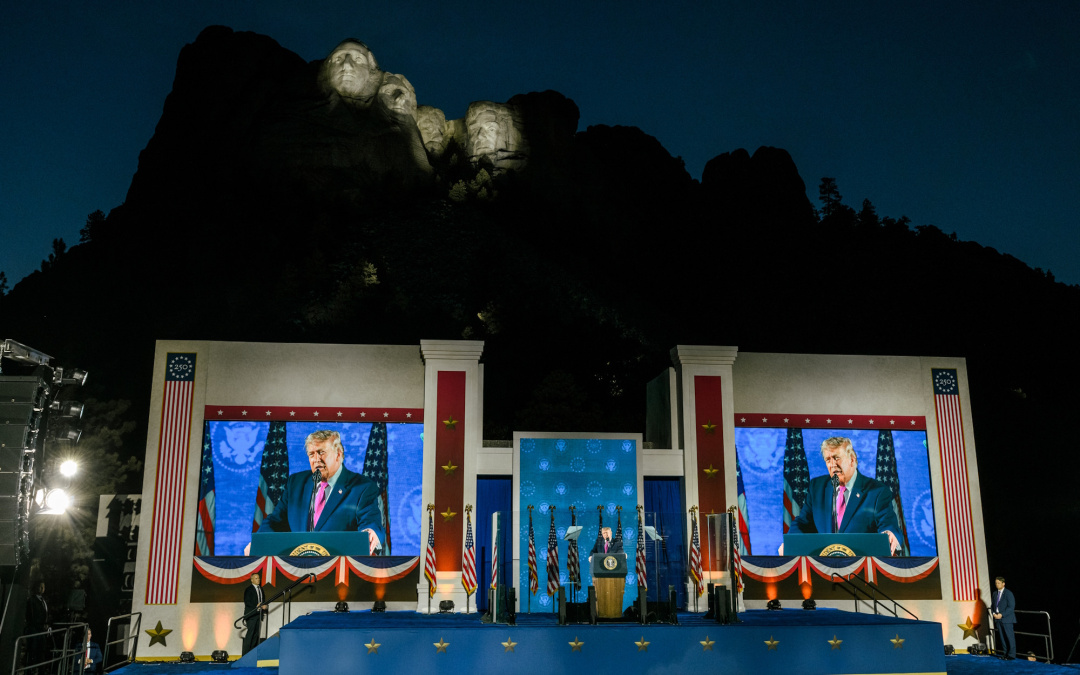
As the nation reflects on its history, from the Puritans' ambitious dream of a "city upon a hill" to George Washington's warnings against foreign entanglements, it seems that the U.S. has become the ultimate party host who forgot why everyone was invited in the first place. With Donald Trump's recent speech at Mount Rushmore, where he declared America the most exceptional nation in history, one can't help but wonder: is he trying to convince us or himself?
Still Beats Watergate:
Sponsor success. Continue reading:
Trump's version of exceptionalism is less about spreading democracy like a benevolent superhero and more about guarding the sanctity of Western civilization, as if the fate of humanity depends on keeping out a few too many cultures at the barbecue. His administration's focus on "civilizational erasure" has allies scratching their heads, questioning whether they should bring a salad or a bomb shelter to the next diplomatic dinner.
The real kicker is that while Trump's rhetoric might resonate with 83 percent of Republicans, it's increasingly tied to fears of immigration and diversity rather than a noble mission to promote democracy abroad. Meanwhile, Democrats, with only 38 percent believing in American exceptionalism, appear more interested in grappling with their internal divisions than presenting a united front.
In a world where the U.S. politics no longer stops at the water's edge, the idea that America would lead with confidence is becoming as uncertain as the weather in spring. Allies are left in the lurch, unsure if America is their dependable ally or just a ticking time bomb of contradictions. The comfortable assumption that American exceptionalism would improve the world is now a cocktail party joke, with the punchline being that the U.S. might actually make things worse.
As the nation navigates this identity crisis, one thing is clear: the debate over American exceptionalism is no longer a sleepy academic exercise but a full-blown existential crisis playing out on the world stage. Whether America can remember what made it exceptional in the first place—or if it ever truly knew—remains to be seen. But for now, the only thing that seems exceptional is the confusion.