CIA Dismisses Israeli Intelligence on Iran Targeting Air Force One as Overdramatic
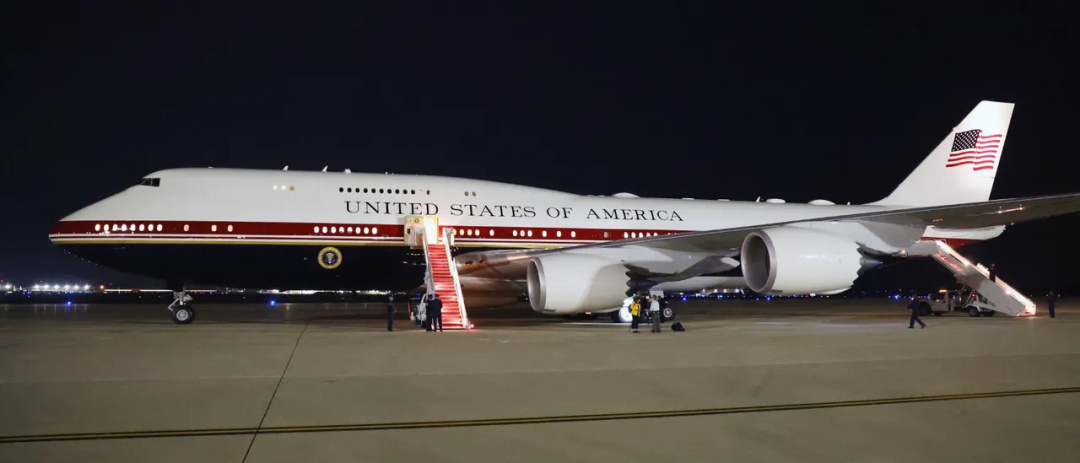
In the latest episode of international intrigue that could easily be mistaken for a poorly scripted political thriller, the CIA has reportedly decided that Israeli intelligence’s claims about Iran planning to attack Air Force One are about as trustworthy as a politician's promise. Despite the high-stakes nature of the allegation, which would typically send shivers down the spines of security officials, the CIA has expressed 'low confidence' in the assertion, suggesting that perhaps the real danger lies in overzealous intelligence reporting.
As the story goes, Israeli intelligence, eager to showcase its vigilance—or perhaps to distract from its own internal issues—alleged that Iran was plotting an audacious strike on the presidential aircraft. In response, the CIA apparently pulled out its magnifying glass and examined the evidence with all the scrutiny of a skeptical intern reviewing a budget proposal. The result? A resounding shrug and a note in the margins that reads, 'Not a chance.'
Still Beats Watergate:
Sponsor success. Continue reading:
This incident raises a host of questions about the nature of international intelligence sharing and the sometimes theatrical flair with which these stories are presented. Is this a genuine threat, or simply another case of a foreign agency trying to play the narrative game while ensuring their own relevance? The CIA's dismissal seems to suggest that perhaps Israel might be auditioning for a role in a new season of the geopolitical reality show, 'Keeping Up with the Spies.'
In a world where misinformation spreads faster than a rumor in a congressional hearing, this incident is a refreshing reminder that not every alarming headline should be treated as gospel. The CIA's cautious approach serves as a kind of bureaucratic brake, applying the necessary skepticism that is often sorely lacking in the panic-driven media landscape.
So, as we await further developments, it seems that the real story may not be about Iran at all, but rather about the ongoing drama of intelligence agencies attempting to outdo each other in the realm of perceived threats. After all, if we’ve learned anything from the past, it’s that when it comes to international relations, sometimes the biggest threat is the fear itself—or the overzealous predictions of what might happen next.
In the meantime, let’s keep our eyes peeled for the next episode of this riveting saga, where intelligence agencies might just start trading barbs like they're politicians on a debate stage. Stay tuned, America, because with this level of tension, the real intrigue is bound to unfold.