Hillary Clinton's Wish List for the White House: Gold Gone, Reflections Fixed
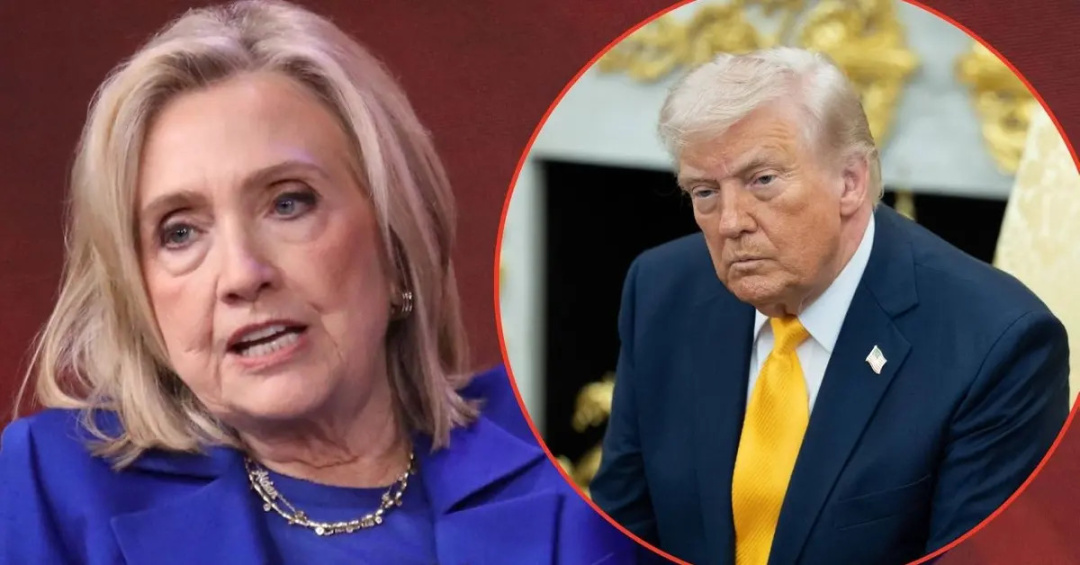
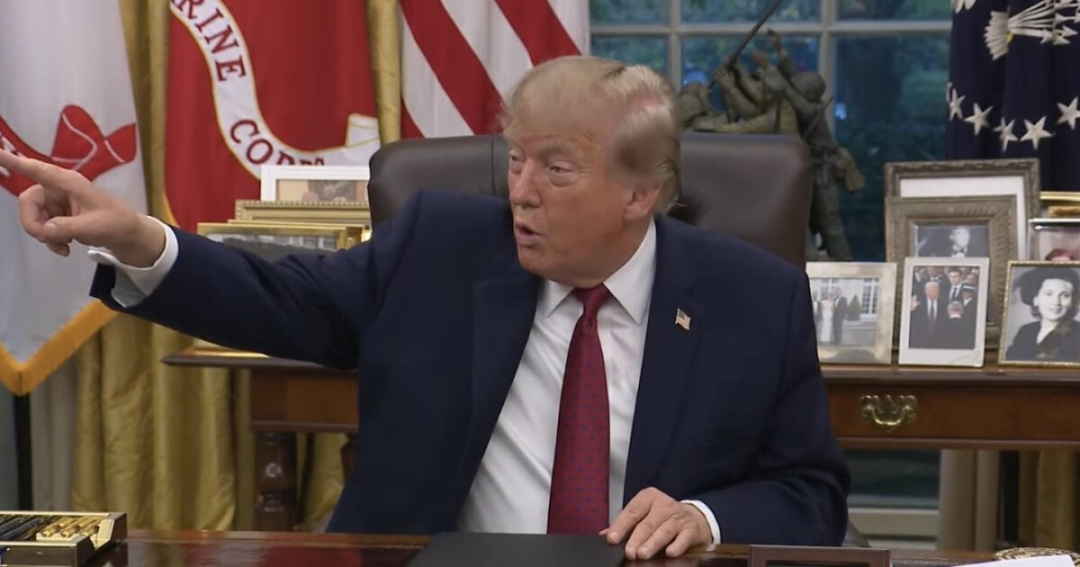
In a recent episode of her podcast, Hillary Clinton unveiled an ambitious agenda for the White House, assuming Donald Trump vacates the premises in 2028. The 78-year-old former First Lady and Secretary of State is not merely eyeing the Oval Office; she has a grand vision for the entire city of Washington D.C. that includes a dramatic overhaul of Trump's ostentatious gold-plated legacy.
"There's going to be a long list. I'm making a list," Clinton announced with a tone that suggested this was not just wishful thinking but a well-crafted strategy to restore dignity to 1600 Pennsylvania Avenue.
Still Beats Watergate:
Sponsor success. Continue reading:
Among her top priorities? The notorious gold-covered horse statues gracing Lincoln Memorial Circle. Clinton noted, "De-gold the horses!" It seems Trump's golden touch on the nation’s capital is not only a personal affront to her aesthetic sensibilities but a historical echo she finds too reminiscent of her time in Iraq post-Saddam. "When I was in Baghdad, I saw palaces that looked like this. It's just insane," she lamented, surely imagining the looks on tourists' faces as they contemplate the backstory of gilded statues.
Clinton also took aim at Trump's proposed 250-foot United States Triumphal Arch, which she considers a terrible idea. "Probably have to take down the arch, which he is determined to put up," she scoffed. Clearly, her vision for the White House includes a strict gold-free zone, a return to historical decorum, and a reflection pool that doesn’t resemble a neglected kiddie pool.
But it's not just about aesthetics; Clinton's comments carry a weighty critique of Trump's personality, which she claims is reflected in his decor choices. "This is a man who can't concentrate. His mind goes to, 'Where can I add more gold?' instead of pressing global matters," she observed, painting a picture of a president more concerned with his shiny ego than the nation's future.
As she maps out her plan for the White House, Clinton humorously offered herself up as the 'secretary of cleaning it up.' One can only imagine her with a clipboard, surveying the grounds and muttering about the travesty of gold embellishments while plotting a return to the more understated elegance of past administrations.
In a world where political battles are fought over decorum as much as policy, Clinton's vision for a post-Trump White House serves both as a critique and a satirical commentary on the lengths one might go to reclaim dignity in the nation's executive mansion. After all, if Trump’s presidency has taught us anything, it’s that the decor is as political as the policies themselves. The question remains: will anyone heed her call—or will the gold remain?