Democrats Plan to Ban Ranked Choice Voting, Raskin and Pelosi's Daughter Warn
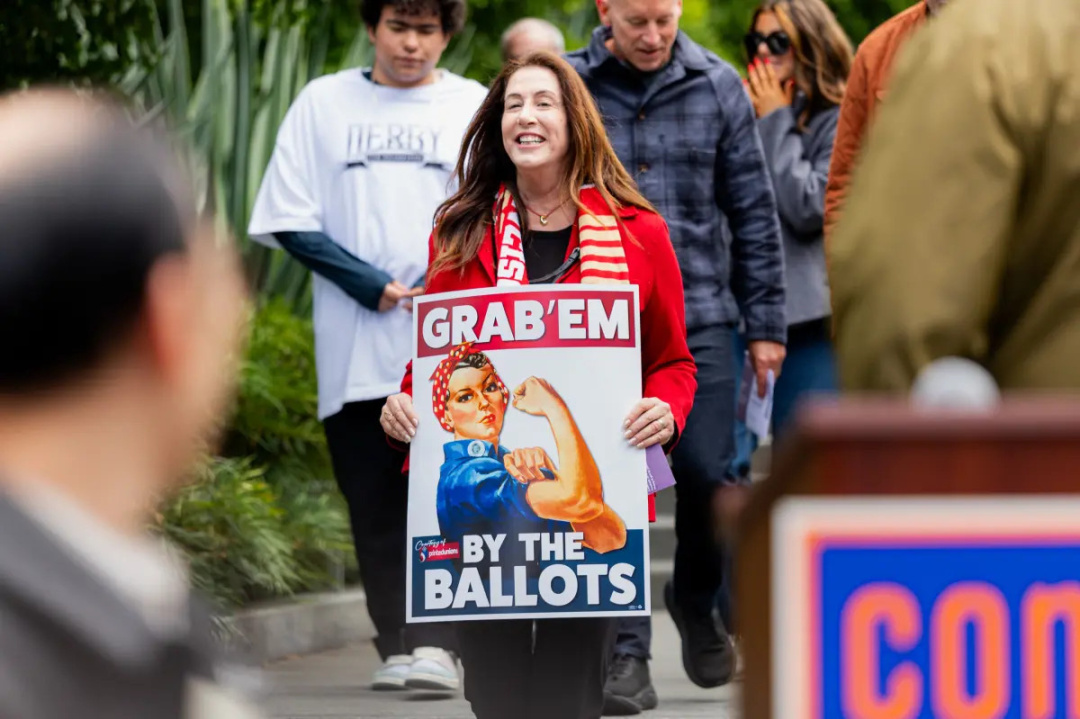
In a stunning turn of events at the Democratic National Committee, Nancy Pelosi's daughter and Rep. Jamie Raskin have taken to the public stage to unleash a blistering critique on the party's plan to ban ranked choice voting. This peculiar voting method, which has garnered attention for its ability to elevate the underdog, is now at the center of a heated debate that could define the party's future.
The proposed ban has left many scratching their heads, wondering why the DNC would choose to eliminate a system that, in theory, gives a fighting chance to those less favored by party elites. Critics argue that this move reflects a larger trend of the Democratic establishment tightening its grip on the electoral process, fearing any challenge to their carefully curated candidate selection.
Still Beats Watergate:
Sponsor success. Continue reading:
Raskin, known for his fiery rhetoric and keen insights, has emerged as a leading voice against this ban. "Why would we stifle innovation in our electoral process? Are we so afraid of underdogs that we need to give them the boot?" he reportedly mused during a recent press conference. Meanwhile, Pelosi's daughter added a touch of drama to the proceedings by dramatically waving her hands and declaring that ranked choice voting is essential for democracy. "If we can’t let the people decide who they want, what’s the point of being a party?" she quipped, channeling her inner political diva.
As the DNC scrambles to manage the fallout, insiders are whispering about the potential rifts this could create within party lines. Some strategists are suggesting that the ban could lead to an exodus of progressive voters who see this as a betrayal of the democratic values they hold dear. Others, however, argue that eliminating ranked choice voting will streamline the process, allowing the party to focus on more 'serious' candidates rather than quirky challengers who might actually resonate with the grassroots.
In a classic case of bureaucratic misjudgment, the DNC seems to be caught between the allure of traditional power and the need to embrace change. It’s a precarious balancing act, one that could lead to a reshaping of the party’s identity in a way that might not sit well with its base.
As the drama unfolds, one thing is clear: the battle over ranked choice voting is not just about a voting system; it’s a litmus test for the party’s commitment to genuine democracy versus its penchant for maintaining control. Will the DNC heed the warnings from its own ranks, or will they forge ahead with their plan to banish the quirky underdog system? Stay tuned as this political theater continues to captivate the nation.