Retired Lt. Col. Highlights Dangers of Air Force One Leaks: A Cautionary Tale for Future Presidents
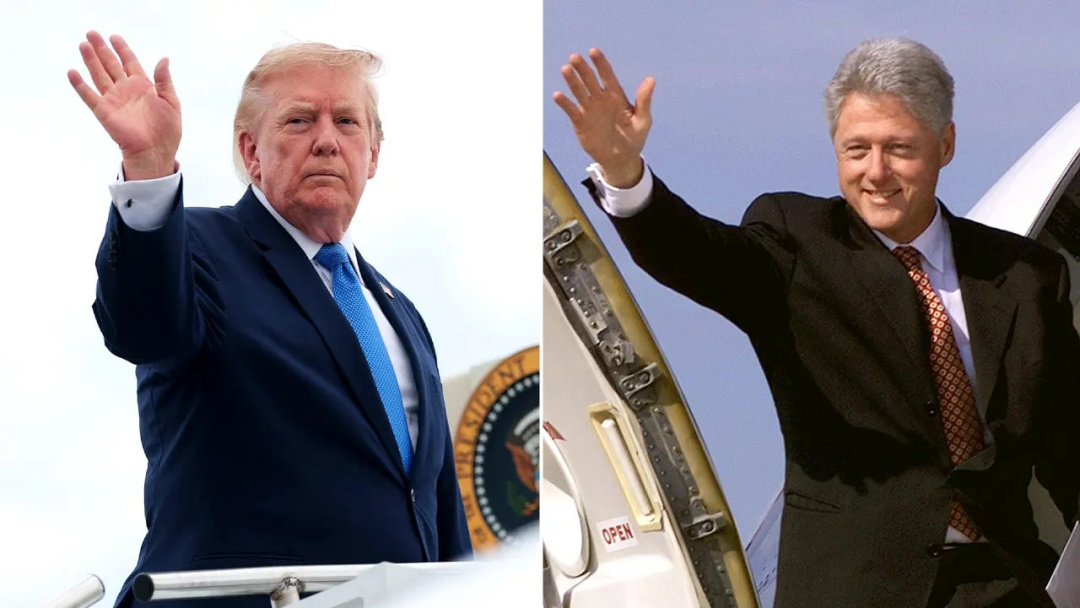
In a recent revelation that could make even the most seasoned political satirist chuckle, retired Air Force Lt. Col. Robert Patterson expressed his deep concerns about the dangers of leaking presidential travel tactics. Patterson, who once carried the nuclear 'football' for President Clinton, described the recent Air Force One shell game—where Trump switched planes in Ankara—as a brilliant maneuver, albeit one that must remain shrouded in secrecy. "Decoy operations are there for a reason," he stated, emphasizing that exposing such methods could put not just the president, but also the military and the press corps at risk for years to come.
Patterson's alarm stems from the notion that a 'highly placed' leaker might have spilled the beans on these vital national security secrets. He warned that the ramifications of leaking could have a chilling effect on presidential safety protocols. "If we were to expose everything, we would have to overhaul the entire security apparatus of the United States of America," he cautioned. This sentiment paints a picture of a rather absurd scenario where future presidents might have to hold press conferences with a magician's flair, pulling new security measures out of thin air just to keep their travels under wraps.
Still Beats Watergate:
Sponsor success. Continue reading:
The retired officer made it clear that these operations are not merely about one president's safety, but about the continuity of the presidency itself. He reminisced about the decoys used during Clinton's administration, noting that it is not just a tactic but a necessary strategy. "We use decoys all the time," he said. "You'll sometimes see the two beasts will switch out under bridges and overpasses," further illustrating the theatrical nature of these operations.
Patterson's remarks evoke a sense of bureaucratic absurdity reminiscent of a political comedy sketch, where the serious nature of national security meets the outlandishness of a spy novel. As he explained, the delicate balance between protecting a president and keeping the public informed is a tightrope walk fraught with dangers. If the public knew too much, he argued, future administrations could find themselves in a bind, unable to make surprise visits or navigate high-threat regions without drawing unwanted attention.
In the end, Patterson's warnings serve as a reminder that while the mechanics of presidential travel may seem mundane, the stakes are incredibly high. As we chuckle at the idea of a catering truck ferrying a president to safety, let's also recognize the serious implications of revealing too much about how the White House plays the ultimate game of hide-and-seek with national security.