White House Official Calls $4 Billion for Homelessness 'God's Money' — Evangelicals Rejoice
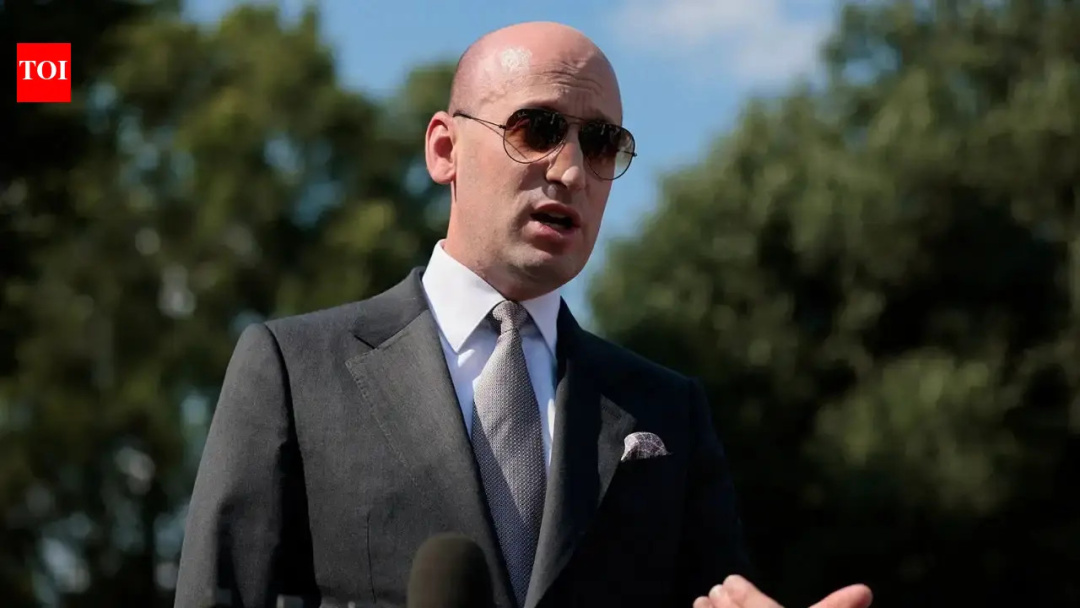
In a bold and utterly bewildering statement that could only emerge from the current White House, a special assistant has declared that $4 billion in taxpayer funds earmarked for tackling homelessness is, in fact, 'God's money.' This proclamation, which has sent shockwaves through both the political and religious communities, raises the question: does the Almighty have a line item in the federal budget?
It seems the administration has decided to embrace a new strategy in addressing the homelessness crisis — one that blends fiscal responsibility with a sprinkle of divine endorsement. After all, who needs comprehensive policy when you can simply invoke the deity? The audacity of this move is not just about the funds; it’s about the message that is being sent: if you want to access governmental resources, you might just need to get in touch with a higher power.
Still Beats Watergate:
Sponsor success. Continue reading:
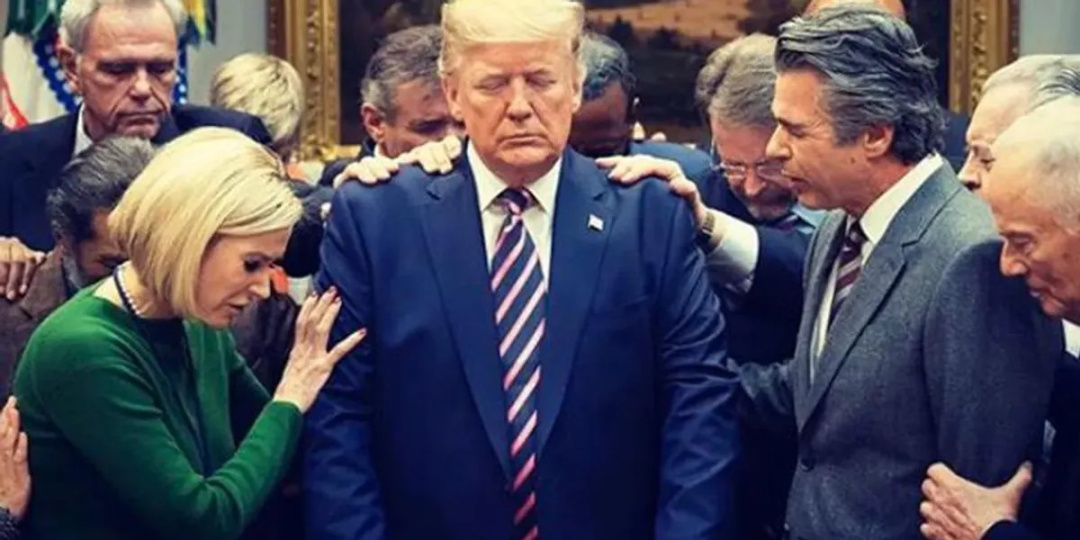
Critics have been quick to point out that this rhetoric represents an alarming escalation of evangelical messaging within the administration, a tactic that appears to be aimed at solidifying support among certain voter demographics. It’s as if the White House is saying, 'If you’re not on board with our religiously tinted approach, you might as well be against the Lord himself.'
As various experts weigh in, some posit that this could be a strategic move to divert attention from the administration's failures in effectively managing the homelessness crisis. After all, why take responsibility when you can simply attribute the funds to divine intervention? The White House’s messaging appears to reflect a desire to align government spending with religious beliefs, perhaps in an attempt to bolster voter faith in their leadership.
In a particularly ironic twist, this claim is being met with skepticism from those who have long argued that true faith should manifest in tangible action, not just lofty proclamations. 'If it’s God’s money, shouldn’t we expect a miracle rather than a budget allocation?' one critic quipped, highlighting the absurdity of the situation.
As the administration continues to navigate the muddy waters of public perception, one can only wonder what other divine declarations might be on the horizon. Will we soon see an executive order mandating that all future appropriations be blessed by a priest? Or perhaps a new initiative where IRS audits are conducted with a side of holy water? Only time will tell, but one thing is certain: in this administration, money, much like faith, is being treated as a commodity — a currency that can be manipulated to suit the whims of political agendas.