Frank Luntz Demands Polling Shutdown After Midwest Primaries Reveal Political Chaos
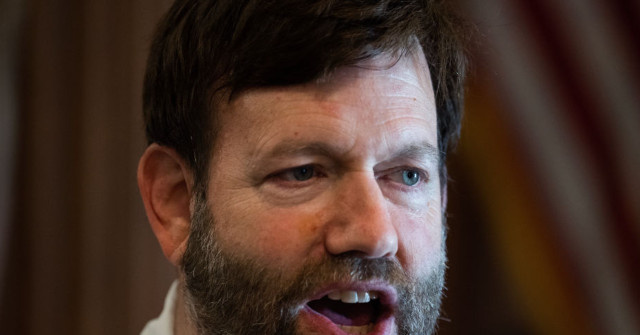
In a stunning turn of events that could only be described as a polling disaster, Frank Luntz has now joined the ranks of those demanding a complete and total shutdown of primary polling in the Midwestern United States. This call to action comes after the Wisconsin primary race for governor, where the polls indicated a commanding lead for Assemblywoman Francesca Hong, who was supposedly ahead by 20 points. Yet, in a plot twist worthy of a political thriller, she lost by half a point to Milwaukee County Executive David Crowley.
But this isn’t just a Wisconsin problem. The chaos ensued in Michigan as well, where Abdulrahman Mohamed El-Sayed was touted as the frontrunner by a significant margin only to scrape by with a narrow victory. Luntz's frustrations echo the sentiments of many who have been watching these polls like a hawk, only to see them flop like an uncoordinated fish out of water.
Still Beats Watergate:
Sponsor success. Continue reading:
Luntz's outcry is not without merit. The bizarre inconsistencies of polling in the Midwest have been a thorn in the side of political analysts ever since Bernie Sanders pulled off his shocking win in Michigan in 2016, despite polls showing Hillary Clinton trouncing him by double digits. It seems the only thing more flawed than these polling results are the methodologies behind them.
The question arises: how can a system so fundamentally broken continue to operate? Polling, it appears, has become less about measuring actual public opinion and more about shaping narratives—especially those that serve a far-left agenda. This is not merely a statistical failure; it’s a full-scale manipulation operation.
Let’s not forget the 2024 election cycle, where we were told, just days before the election, that Trump was losing ground to Kamala Harris in Iowa. Spoiler alert: he won Iowa by 13 points. But who needs facts when you have a juicy narrative to sell?
Luntz's passionate plea for a polling moratorium raises eyebrows and questions about the motives behind these surveys. Are they genuinely trying to inform the public, or are they merely tools for media outlets to craft a narrative that suits their agenda? As it stands, the political landscape resembles a game of Monopoly where the dice are rigged, and everyone is landing on Boardwalk with no houses in sight.
So, as the polling industry faces repercussions for its misdeeds, one must wonder: will anyone actually take a step back to reform a system that seems to thrive on chaos, or will we continue to watch as the political theater unfolds, one faulty poll at a time?