Democratic Socialist's Plan to Abolish Police Hits a Snag During Live Interview
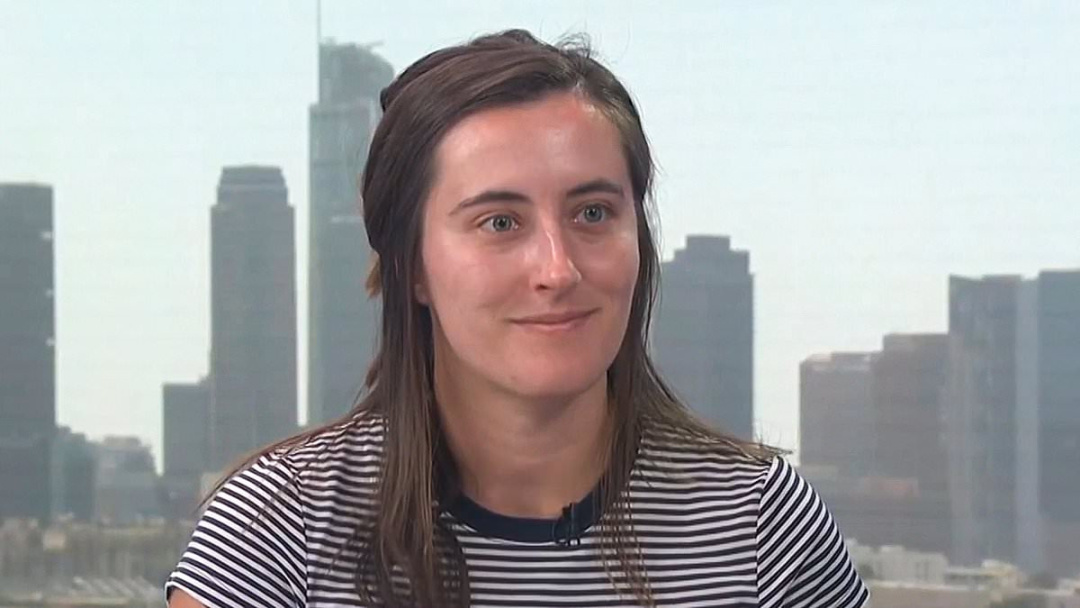
In a moment that will surely be replayed on the highlight reel of political missteps, Dr. Frances Gill, a prominent member of the Democratic Socialists of America, found herself in a bit of a jam during a live TV interview. When asked how her proposed plan to abolish police would handle rapists, she opted for the age-old political tactic: the art of deflection. Instead of a straightforward answer, viewers were treated to a masterclass in evasion that would make even the most seasoned politicians nod in approval.
"That's a great question," Gill began, a phrase that often serves as a precursor to a non-answer. The implication was clear; she would tackle the question head-on—eventually. However, as seconds ticked by, it became painfully obvious that a clear response was not forthcoming. Instead, the audience was left to ponder whether the abolition of police might also abolish the need for answers.
Still Beats Watergate:
Sponsor success. Continue reading:
The audience, perhaps expecting a detailed plan on how society would deal with violent crime without law enforcement, was instead met with a series of vague assurances about community-led initiatives and restorative justice. Nothing says ‘trust us’ quite like a promise to replace police with neighborhood watch programs led by well-meaning citizens armed only with clipboards and community spirit.
Gill’s inability to provide a concrete plan sparked a wave of social media reactions, ranging from disbelief to amusement. Memes flooded the internet, with captions like "When you want to defund the police but still want to feel safe at night" making the rounds.
Political commentators had a field day, dissecting her comments with the enthusiasm normally reserved for a high-stakes debate. "This exchange highlights a fundamental flaw in the defund-the-police narrative," one analyst noted. "If you can't articulate what comes next, maybe it's time to rethink your strategy."
Gill's performance raises an essential question: can radical policy proposals survive the scrutiny of a live audience? Or is it simply that some ideas sound better in theory than they do in practice? As the political landscape evolves, one thing is clear: the spotlight is unforgiving, and the public is hungry for answers that go beyond the buzzwords.
As we move forward, viewers will undoubtedly keep a close eye on Gill and her colleagues, hoping for a clearer vision of how a police-free society would actually function—if only to save future interviewers from the awkwardness of questions left unanswered.
In the world of political theater, where every word can be a trapdoor, it’s vital for leaders to be prepared. Perhaps a little rehearsal in front of the mirror wouldn’t hurt. After all, if you’re going to propose radical change, you’d better have a plan—and an answer.