Iran's New Strategy: More Missiles, Fewer Diplomatic Solutions
In a bold display of defiance, Iran's newly appointed security chief, Mohsen Rezaei, recently declared that the Strait of Hormuz will remain closed until the U.S. meets a laundry list of demands that seem to grow longer by the day. Among these demands? The end of the blockade, the release of frozen assets, and a region-wide ceasefire—because who doesn't love a good ceasefire in a war zone?
Rezaei, who previously commanded the Islamic Revolutionary Guard Corps (IRGC), made it clear in a social media post that Iran has no intention of reopening the crucial shipping lane until all conditions are met. Clearly, Tehran is taking a page from the bureaucratic playbook of the U.S. and applying it to international diplomacy: why negotiate when you can just keep piling on the demands?
Still Beats Watergate:
Sponsor success. Continue reading:
Meanwhile, as Iran and the U.S. exchange threats like they're trading Pokémon cards, military action has ramped up in the region. The IRGC claims that it has not only replenished its stock of missiles and drones but has also exceeded its usage, a feat that would make any overzealous bureaucrat proud. It seems Iran is in full production mode, just in case they need to fire off a few more at unsuspecting maritime vessels.
The U.S. military, on the other hand, is busy enforcing a naval blockade that has had more ups and downs than a political campaign. They reported yet another attack on a Panama-flagged vessel, which must be a real morale booster for the Navy as they count the number of ships targeted since the blockade resumed. It’s like a twisted game of Battleship, but with real ships and real consequences.
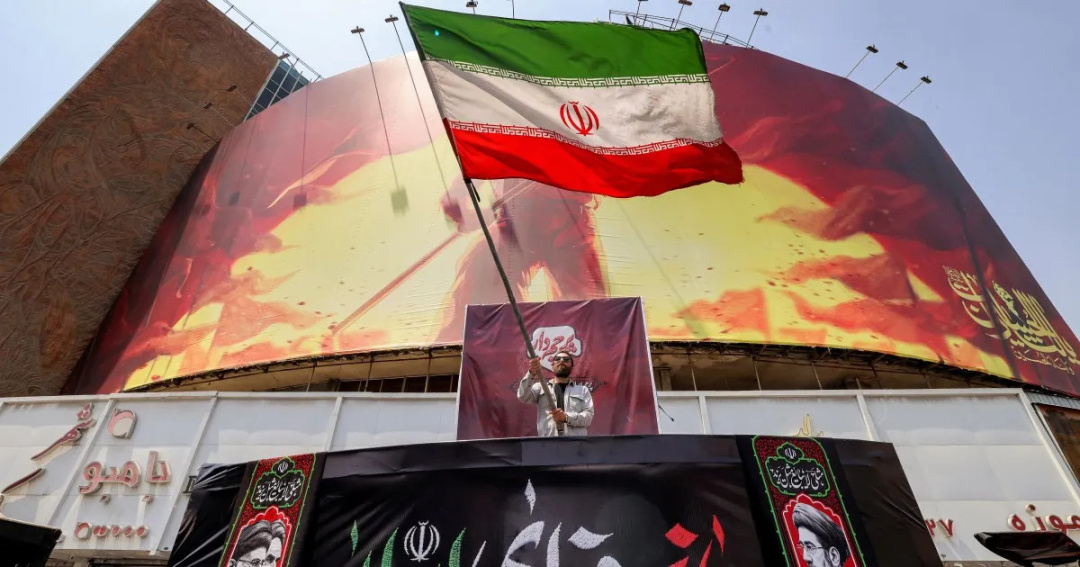
As the IRGC continues to remind everyone of its capabilities, the Iranian leadership is also preparing for a potential onslaught of internal protests, suggesting that the war isn't just fought on the battlefield but also within its own borders. President Masoud Pezeshkian pointed out that opponents of the Islamic Republic may be banking on public dissatisfaction to orchestrate another round of nationwide protests. With a heavy security grip tightening at home, it seems the Iranian government is more focused on keeping its citizens in line than engaging in international dialogues.
Even amid this chaos, the Iranian public remains skeptical. One Tehran resident, Jamshid, expressed his resignation to the situation, saying he doesn't expect improvement anytime soon. This sentiment could easily be reflected in a government memo: "We acknowledge public discontent, but rest assured, we have missiles."
As the situation unfolds, one must wonder if this cycle of threats and posturing will ever lead to a resolution or if it’s just another chapter in the ongoing saga of geopolitical tension. For now, it seems Iran is doubling down on defiance, with military buildup and a closed Strait of Hormuz firmly in their playbook. Who knew that all it took to run a country was a good supply of missiles and a refusal to negotiate?