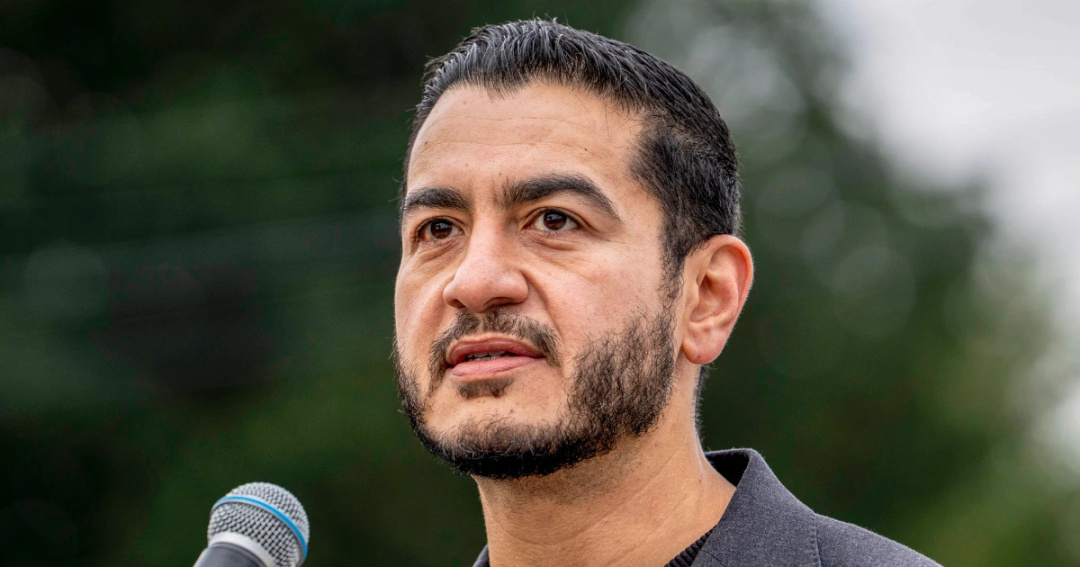
El-Sayed's Primary Triumph Sparks Hilarious Debate on Who Gets to Speak for Arab Americans in 2028
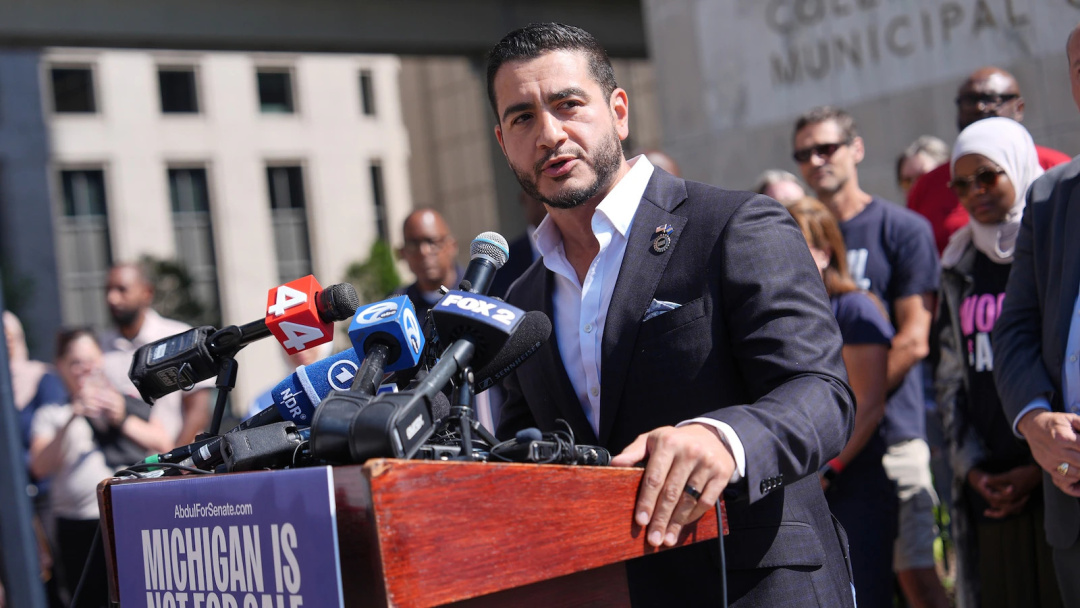
In an unprecedented twist that could only happen in the world of political theater, Abdul El-Sayed's recent victory in Michigan's Democratic Senate primary has apparently thrust Arab American voices into the spotlight just in time for the 2028 presidential race. As Michigan gears up for an early position in the nominating calendar, candidates are scrambling to figure out how to engage with a community that, until recently, seemed to be more of an afterthought at the Democratic table.
The Democratic National Committee has tentatively approved a calendar that sees Michigan, home to nearly 300,000 Arab Americans, moving up in the primary sequence. This move has sent ripples of excitement through the party, as insiders speculate that candidates will now have to contend with the complex dynamics of U.S. relations with Israel and the Arab American electorate. After all, nothing says 'we care' like a last-minute scramble to cater to a demographic that has historically been overlooked.
Still Beats Watergate:
Sponsor success. Continue reading:
El-Sayed, who has openly campaigned on ending U.S. aid to Israel, is now positioned as a potentially pivotal figure for presidential contenders eager to secure Arab American votes. But as any seasoned political strategist knows, engagement is key. The stakes are high, and the pressure is on for candidates to articulate their positions on Israel before they even set foot in Michigan. Just imagine the debates!
In a stunning development, even former Vice President Kamala Harris and California Governor Gavin Newsom have endorsed El-Sayed, demonstrating that the political elite is keenly aware of the dramatic shift happening within the party. Meanwhile, the ghosts of past controversies linger as Democrats must reckon with the aftermath of the 'Uncommitted' protest movement that arose in response to the Biden administration's handling of the Israel-Hamas conflict.
As the political landscape shifts, figures like Basim Elkarra from CAIR express optimism, asserting that the new primary schedule will ensure that the Arab American community is taken seriously. "If candidates want to reach the White House, they can't ignore us any longer," he quips, highlighting the newfound leverage that comes with early primary status.
The question remains: will candidates rise to the occasion, or will they fumble the opportunity to engage meaningfully with Arab American voters? As they navigate this tricky terrain, they must strike a balance between appealing to a diverse electorate while avoiding the pitfall of tokenism. Because let's face it, voters aren’t interested in symbolic gestures; they want to see real commitment.
As potential contenders begin to articulate their positions, the pressure mounts. It seems that every candidate will have to get their ducks in a row before they even think about stepping onto the Michigan stage. And with polling suggesting that a significant portion of Americans now feel the U.S. is too supportive of Israel, the political calculus is changing faster than ever.
In a state that has seen its fair share of Democratic mishaps, the path to success in 2028 may very well hinge on how well candidates can address these pressing issues. As Curtis Hertel, Michigan Democratic Party state chair, points out, reducing the party's losses to a single issue is a fool's errand. The reality is that candidates will need to engage with a myriad of concerns if they hope to win over voters in 2028.
As we prepare for what promises to be an entertaining and rocky road to the next presidential election, one thing is for sure: the Michigan primary is set to become a political circus like no other. And with Abdul El-Sayed leading the charge, it’s bound to be a show worth watching. Will candidates finally take the Arab American community seriously, or will they continue to ignore their voices in favor of more palatable talking points? Stay tuned as we watch this political drama unfold in real time.