CNN Panel's Raucous Debate Reveals the New Standards for Candidates: Scandalous or Just Average?
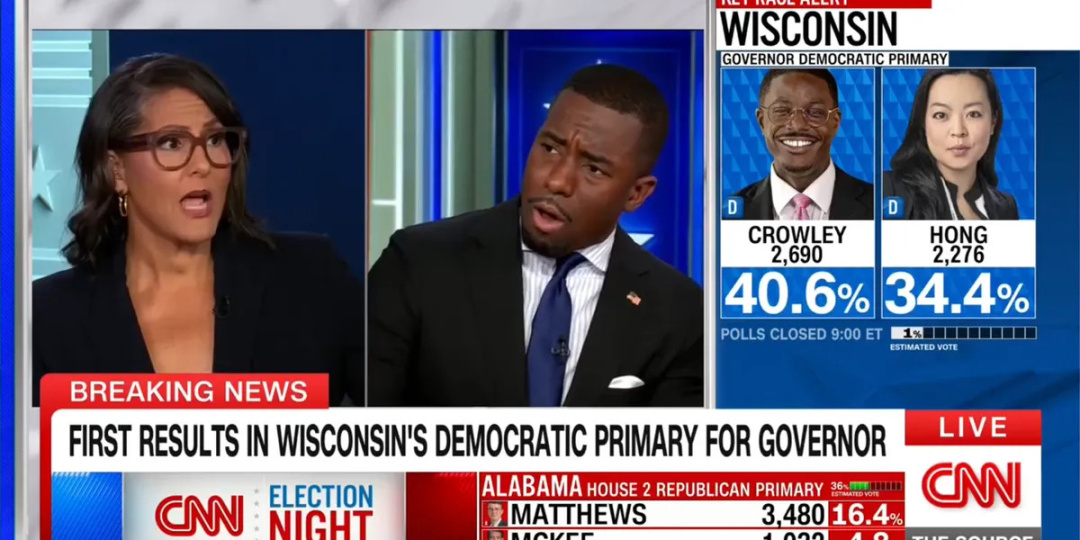
In a display that could only be described as a masterclass in political theater, a recent CNN panel turned into a cacophony of raised voices and finger-pointing over the suitability of scandal-laden candidates in the upcoming primaries. Republican strategist Shermichael Singleton and his Democratic counterpart, Karen Finney, brought the discussion to a boiling point as they attempted to navigate the murky waters of what constitutes acceptable behavior in today's political landscape.
The exchange began innocently enough with a discussion about primary races, but it quickly devolved into a battleground for the soul of American politics. Singleton, in an attempt to defend his party's candidates, argued that the public's expectations have shifted dramatically. "He's your guy!" he exclaimed, perhaps referencing a candidate whose scandals have become as frequent as campaign ads. It was a moment that perfectly encapsulated the current state of political affairs: where the line between scandal and standard behavior is not just blurred, but seemingly erased.
Still Beats Watergate:
Sponsor success. Continue reading:
Finney, not one to back down, countered with a barrage of questions about ethical standards and the integrity of candidates. "Are we really lowering our expectations to this level?" she asked, her voice rising above the din of her colleagues. The panelists traded barbs as the audience watched in awe, perhaps wondering if this was a political discussion or just a new reality show called 'Who Can Survive the Primaries?'
As the argument escalated, it became increasingly clear that this was not just a debate about candidates, but a reflection of a larger societal issue: the normalization of scandal. In an era where sensationalism often trumps substance, the question remains—how low can we go? The panelists seemed to agree that a new threshold has been established, one where the public may be more willing to overlook questionable behavior than ever before.
The chaotic exchange also highlighted the media's role in shaping public perception. Are we, as consumers of news, complicit in this decline of standards? The panelists' inability to reach a consensus only added fuel to the fire, leaving viewers to ponder whether this is simply the price of democracy in the 21st century.
In the end, the CNN panel did not resolve the debate over scandalous candidates but rather highlighted the absurdity of the current political climate. With every shout and every retort, they illustrated a fundamental truth: when it comes to politics, the only thing that seems to matter is whether or not you can survive the next news cycle. As the dust settled, one thing became abundantly clear: in the world of American politics, scandal isn't just a possibility; it's practically a prerequisite.