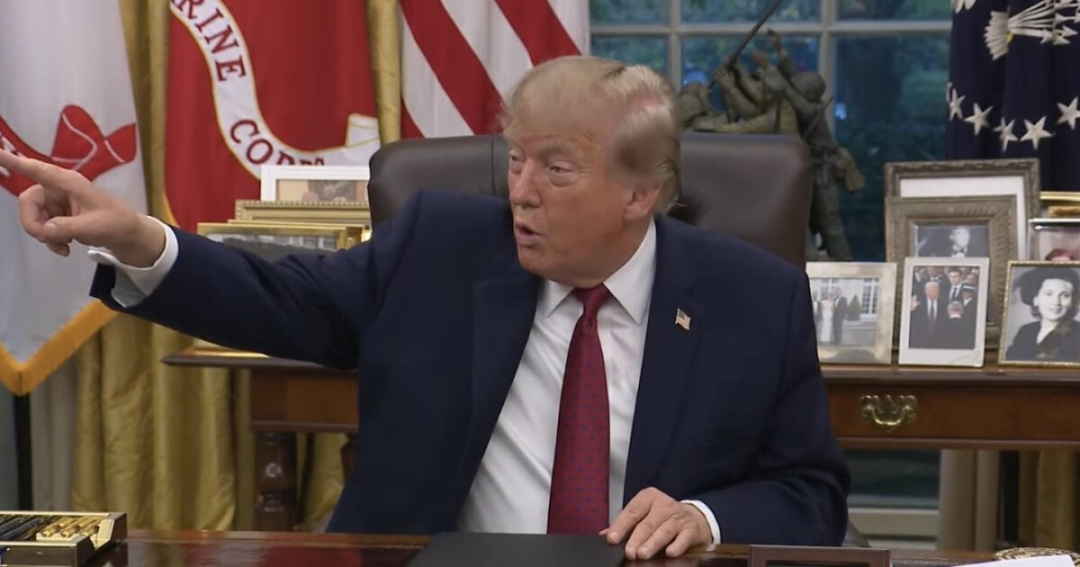
Justice Department Issues New Directive: Trump's Private Messages Off-Limits to Democrats!
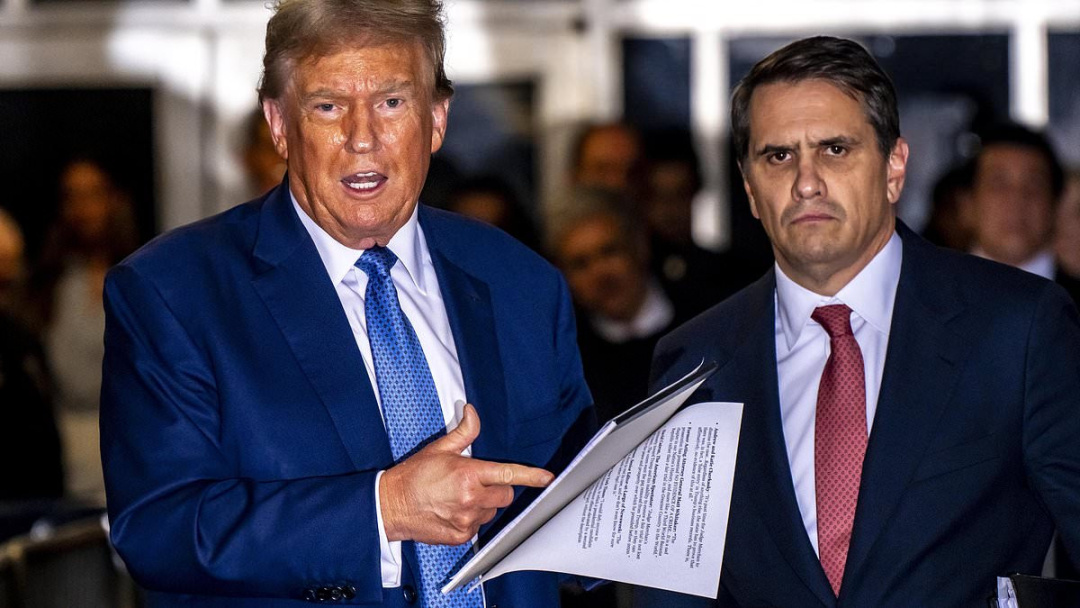
In a move that can only be described as an executive-level game of hide-and-seek, the Justice Department has just issued a directive that would provide President Trump with sweeping protections for his private messages. This new decree appears to be a preemptive strike against any future Democratic-led congressional investigations, essentially putting a "Keep Out" sign on the president’s digital correspondence.
Imagine the scene: a frantic team of lawyers huddled in a dimly lit room, desperately drafting up measures to ensure that Trump's private messages remain as elusive as a unicorn at a theme park. The directive essentially claims that these messages are so sensitive they could spontaneously combust if exposed to the wrong set of eyes.
Still Beats Watergate:
Sponsor success. Continue reading:
Critics are already sharpening their quills, ready to pen the inevitable op-eds about how this directive marks a new low in government transparency. After all, when was the last time a sitting president had such a luxurious barrier between their thoughts and the prying eyes of Congress? Perhaps the next step will be a presidential privacy bubble, complete with a small army of lawyers and a moat filled with alligators.
While the directive has been framed as a necessary measure for the protection of presidential communication, one has to wonder whether it’s more about shielding the president from accountability. It seems that every time a Democrat sneezes, there’s a new executive order to ensure that Trump’s text messages remain in a protective digital vault, far removed from the reach of investigative committees.
As the political landscape grows ever more contentious, this latest directive raises a glaring question: how can a government run on the principles of accountability and transparency effectively operate when key communications are tucked away under layers of legal protection? Of course, supporters will argue that this is simply a matter of executive privilege, but to the casual observer, it looks more like a masterclass in obstruction.
So, as we sit back and watch this bureaucratic ballet unfold, one thing is for certain: the next time you send a text, just remember—if you’re the president, you might as well be sending it from a top-secret bunker. At least then, you can enjoy the peace of mind that your messages are safe from any nosy congressperson trying to peek behind the curtain.