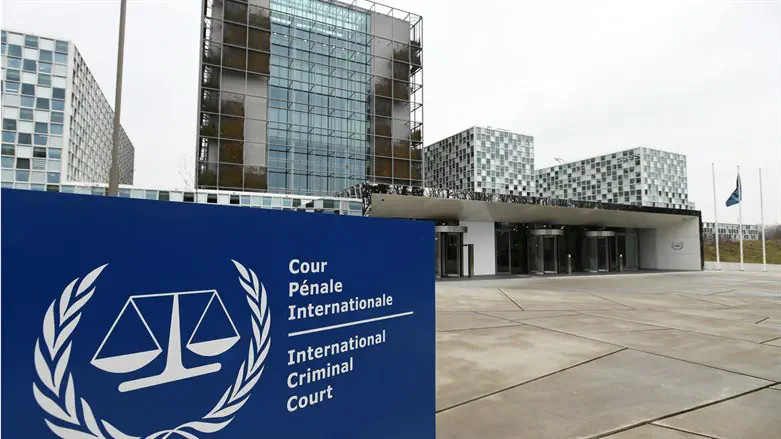
Trump Administration's ICC Sanctions: A New Low in Legal Logic
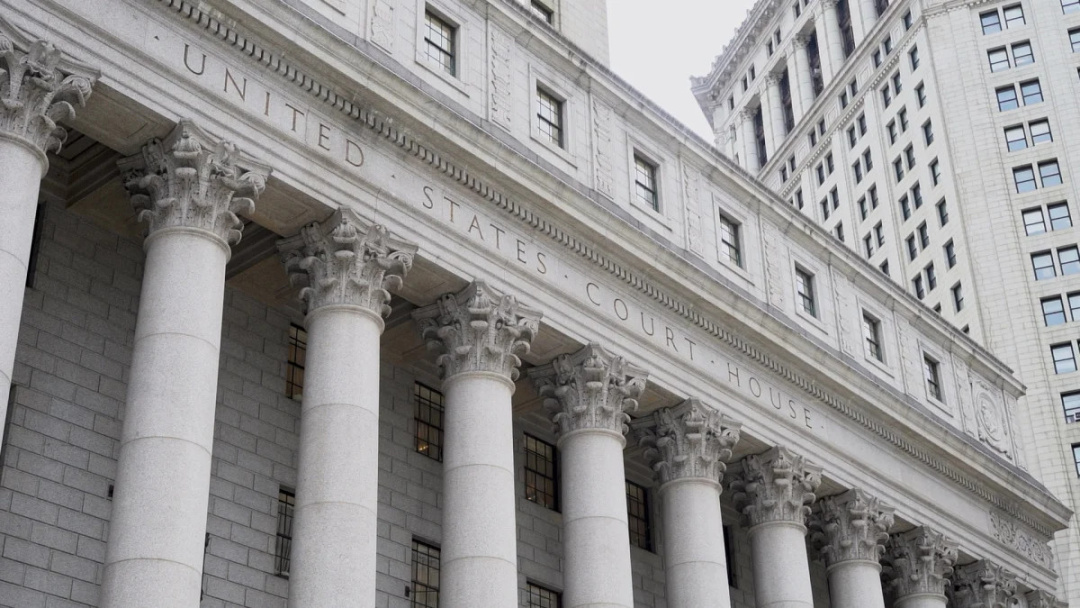
In a move that has all the hallmarks of a dystopian novel, four human rights organizations have banded together in a lawsuit against the Trump administration, alleging that its executive order targeting the International Criminal Court (ICC) is nothing short of a legal circus. The plaintiffs, including the American Friends Service Committee and Human Rights Watch, are claiming that the administration's sanctions against ICC officials are a blatant attack on international justice and a blatant violation of their constitutional rights.
The lawsuit, filed in the Southern District of New York, argues that the executive order, signed back in February 2025, is based on a so-called national emergency that exists only in the minds of those who concocted it. According to lead counsel Andrew Loewenstein, this order is not just a legal misstep; it’s an outright assault on civil society groups dedicated to bringing justice to victims of genocide, war crimes, and other crimes against humanity.
Still Beats Watergate:
Sponsor success. Continue reading:
The ICC has become a target in the Trump administration's quest to dismantle any semblance of accountability for war crimes, as evidenced by the sanctions that have affected not just foreign officials but also organizations trying to advocate for victims. Joyce Ajlouny, General Secretary of the American Friends Service Committee, highlights the absurdity of a government that criminalizes those seeking justice for grave human rights violations. “What’s next? Are they going to sanction us for using the word ‘justice’?” she quips.
As the ICC investigates war crimes around the globe, from Ukraine to Palestine, the Trump administration seems intent on making sure that victims and their advocates are silenced. The sanctions have led to the freezing of bank accounts and denial of digital services, effectively crippling the ability of these organizations to function.
The reasoning behind these sanctions is shrouded in the fog of bureaucratic nonsense, with officials claiming that ICC investigations threaten U.S. sovereignty. Yet, as many legal experts point out, the ICC exists precisely to hold accountable those who might otherwise escape justice, including American citizens accused of serious crimes abroad.
In a world where the rule of law should reign supreme, the Trump administration's actions are a striking reminder of how far we have strayed. As the lawsuit unfolds, one can only hope that the courts will not only strike down this egregious overreach but also send a message that the pursuit of justice cannot and should not be criminalized. After all, if advocating for human rights becomes a crime, we might as well hand out medals for hypocrisy to those in power.
The plaintiffs are not just fighting for their organizations; they are standing up for the very principles of justice and accountability that the ICC embodies. In the face of a government that seems determined to undermine these ideals, one has to wonder: what will it take for justice to prevail?