Trump's Latest Fed Tiff: A Comedy of Errors in Bond Market Management
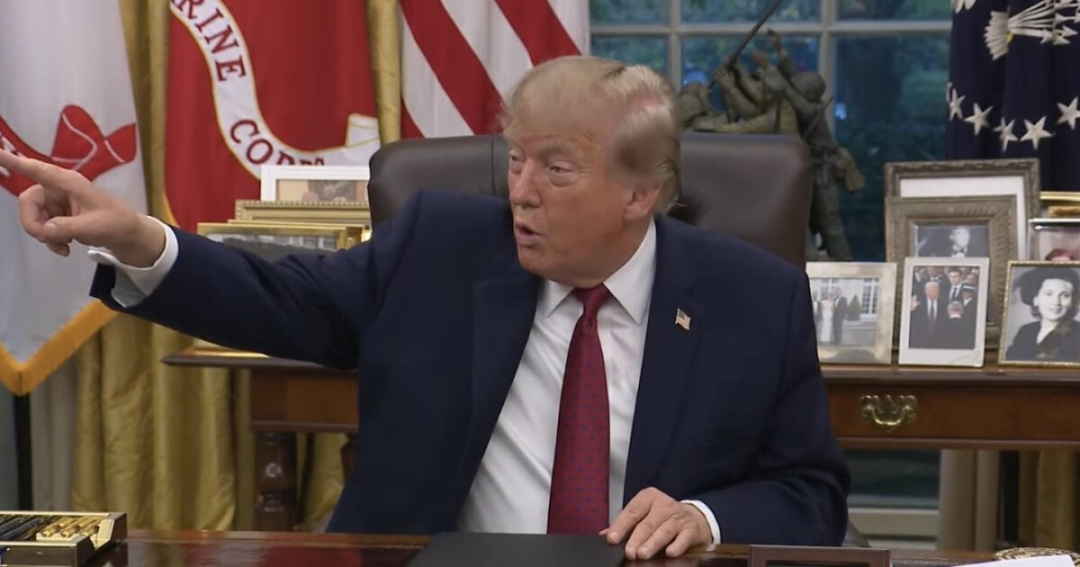
In an audacious move that could only be described as a political comedy, President Trump is once again picking a fight with the Federal Reserve, and the timing couldn’t be worse for bond investors. The White House is reportedly contemplating the removal of Fed Governor Lisa Cook, allegedly over questionable mortgage fraud accusations. If this sounds familiar, it’s because it is – like a bad sequel where the plot never really changes.
As the clock ticks down to a critical FOMC meeting in September 2026, the President has given Cook a mere three weeks to respond to these allegations. This could be a dramatic prelude to her ousting from the Fed’s Board of Governors, but let’s not pretend it’s straightforward. Supreme Court precedents usually protect Fed governors from being removed without cause, so the White House would need to work overtime to build a case that these allegations pass the legal muster.
Still Beats Watergate:
Sponsor success. Continue reading:
It’s almost as if Trump is playing chess while the rest of us are still figuring out checkers. With three members of the Federal Open Market Committee already signaling support for rate hikes at the July meeting, the potential removal of a dove like Cook could radically shift the internal dynamics of the committee. If that’s not a recipe for market chaos, we don’t know what is.
Enter Kevin Warsh, who took the oath of office just a few months ago and seems to be walking a tightrope trying to establish his credibility on inflation while navigating the whims of a President who prefers a friendly ear. Warsh has hinted at wanting to reduce the Fed’s forward guidance, a move that could give the Fed more wiggle room while saying less about its future plans. You know, transparency is overrated anyway.
Trump has kept direct lines of communication with Warsh, reminiscent of his rocky relationship with former Chair Jerome Powell, who, let’s be honest, would probably prefer to be on a desert island right now. Meanwhile, futures markets are pricing in about a 75% chance of a quarter-point rate increase by the time the midterms roll around, which means people are gearing up for a rollercoaster ride.
As July payrolls showed a modest increase, it seems the Fed is stuck between a rock and a hard place. The political climate is shifting like a sand dune in a windstorm, and Barclays strategists are already raising red flags about long-dated bond yields and inflation expectations. They’re scrutinizing medium and long-term inflation compensation like it’s their job – oh wait, it is.
The real kicker? Higher inflation risk premiums don’t just affect bond traders; they ripple through mortgage rates, corporate borrowing costs, and ultimately, the real economy. A President demanding lower rates can ironically lead to higher long-term rates, especially if he keeps undermining the very institution responsible for keeping inflation in check.
In the circus that is the current administration, the question remains: will the Federal Reserve survive the political theatrics, or will we see a new episode of 'The Apprentice: Economic Edition'?