Democrats Face Backlash Over Laken Riley Act: A Liability or Just Bad Timing?
In a stunning turn of events, 46 Democrats have suddenly found themselves in a political hot seat, all thanks to their support for the Laken Riley Act, named after a Georgia college student tragically murdered. Initially seen as a safe vote following Donald Trump’s second presidential victory, the decision now looms large as a liability, particularly in the face of primary challenges from opponents eager to paint their voting record in the most unflattering light possible.
In Minnesota, for instance, Lt. Gov. Peggy Flanagan is leading the charge against Rep. Angie Craig, labeling her support of the Laken Riley Act as ‘disqualifying’—a term that could haunt Craig as she desperately tries to distance herself from a law viewed by many as a gateway to mass deportations. Flanagan’s sharp critique during the final debate ahead of the primary suggests that admitting one’s mistakes in the political arena is akin to tossing a grenade into your own camp.
Still Beats Watergate:
Sponsor success. Continue reading:
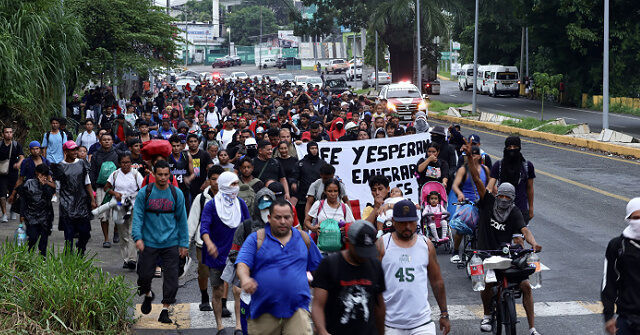
The Laken Riley Act, which allows federal law enforcement to detain and deport immigrants charged with even minor offenses, has become a rallying point for Republicans, who have seized upon the tragic murder to argue that immigration policies under President Biden have endangered public safety. Meanwhile, Democrats who supported the act are left scrambling to justify their votes as public sentiment shifts. Polling reveals a majority of Americans disapprove of the Biden administration's handling of immigration, with many Democrats now regretting their past decisions.
Craig, who previously supported the act, has expressed her remorse, stating that she never anticipated the Trump administration would wield such authority. Her admission is a reminder that in politics, timing is everything, and a misstep can lead to a rapid fall from grace.
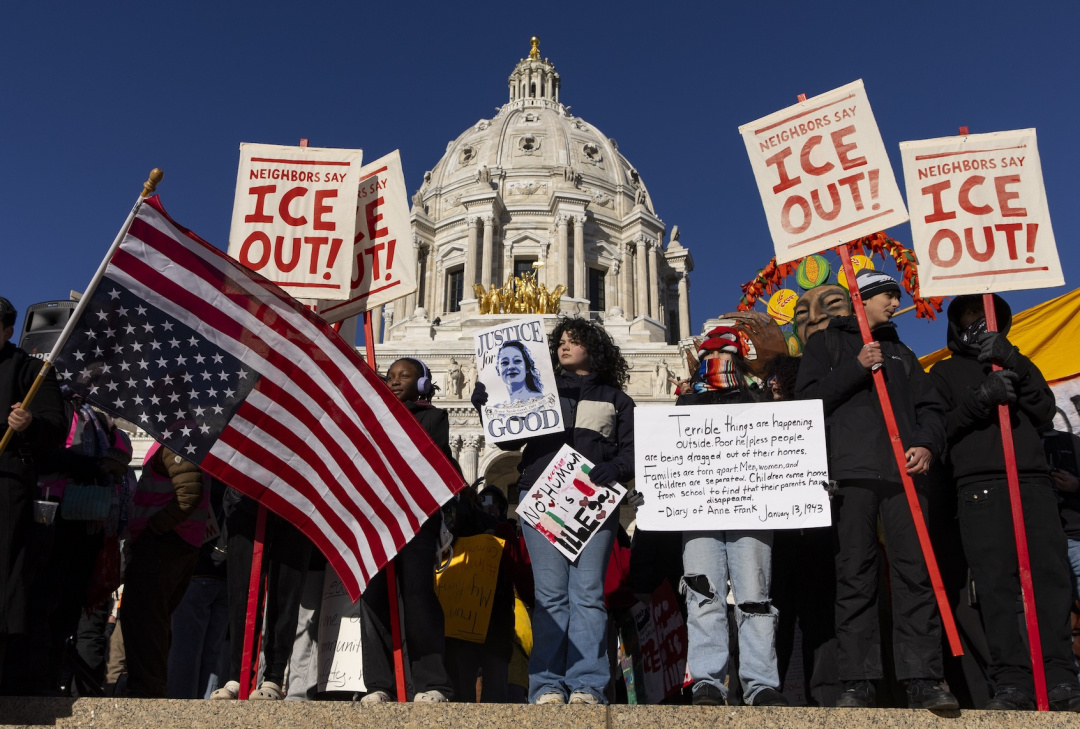
In Maryland, Rep. April McClain Delaney faced a similar fate as her opponent, former Rep. David Trone, capitalized on her past support for the law during their primary race. The pushback from constituents has been intense, with many expressing outrage at the law’s implications for immigrants and due process. McClain Delaney’s regret echoes the sentiment of many Democrats who now realize that a vote cast in the name of security and safety can come back to haunt them in a world where every decision is scrutinized.
Even in Arizona, where Rep. Greg Stanton faced a challenge from progressive activist Kai Newkirk, the Laken Riley Act became a focal point for criticism, demonstrating that no Democrat is truly safe from the fallout of this contentious legislation.
As the 2026 elections loom, the Democratic Party finds itself grappling with the ramifications of the Laken Riley Act. Some lawmakers stand by their votes, while others have begun to backtrack, realizing that aligning with Trump-era policies may not be the winning strategy they once thought. The party is at a crossroads, caught between the need for a united front on immigration and the harsh realities of a shifting political landscape.
Lorella Praeli, co-president of a Democratic super PAC, emphasizes that voters are increasingly aware of the consequences of mass deportation policies. As Democrats navigate the fallout from the Laken Riley Act, it remains to be seen whether they can reclaim the narrative around immigration or if they will continue to face the wrath of their constituents for decisions made in a different political climate.