Seth Moulton Unveils Revolutionary Campaign Strategy: Profit from Defense Contracts
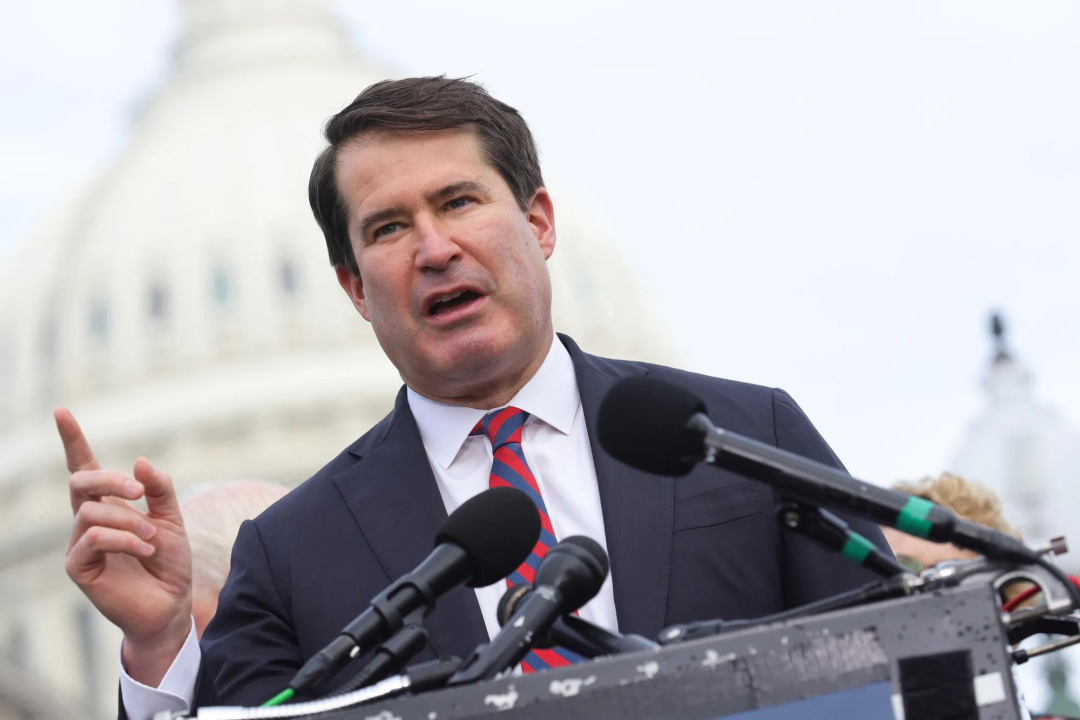
In a stunning revelation that could redefine campaign strategies, Seth Moulton, the ambitious challenger to incumbent Senator Ed Markey, has found a way to marry the worlds of politics and profit. As he gears up for the Massachusetts Senate nomination, Moulton has reportedly been granted access to some lucrative defense contracts that would make even the most seasoned lobbyist blush. Apparently, securing a seat in the Senate now comes with a side of potential profit that could make Wall Street investors salivate.
The irony is delicious: Moulton, a former Marine, seems to be channeling his military experience into a bold new venture that some might call a conflict of interest. But let's be honest—what's a little ethical ambiguity when you can capitalize on the government’s insatiable appetite for defense spending? It’s not just about winning votes anymore; it's about raking in the cash while you're at it.
Still Beats Watergate:
Sponsor success. Continue reading:
One has to wonder if this is the new normal for political campaigns. Why bother with grassroots fundraising when a few well-placed investments in the defense industry could fill your coffers faster than any bake sale? As Moulton navigates this treacherous terrain, he seems to be rewriting the playbook on how to run a campaign. Who needs policy debates when you can simply buy your way into the Senate?
Of course, the optics of it all are questionable. Critics might argue that this kind of maneuvering undermines public trust, but Moulton appears unfazed, confidently striding into the political arena with a portfolio that rivals any hedge fund manager. In a world where political integrity is often overshadowed by financial gain, Moulton’s strategy might just be the boldest move in the game.
As the election season heats up, it will be fascinating to see how voters respond to Moulton's audacious approach. Will they embrace a candidate who is unabashedly profiting from the very institution he seeks to join? Or will they demand more transparency and accountability from their elected officials?
Only time will tell if Moulton’s gamble pays off, but one thing is for sure: the line between politics and profit has never been blurrier. In a landscape where ethical lines are often redrawn, Moulton is leading the charge into a new era of campaign finance that is as simultaneously thrilling and terrifying as it is unprecedented.