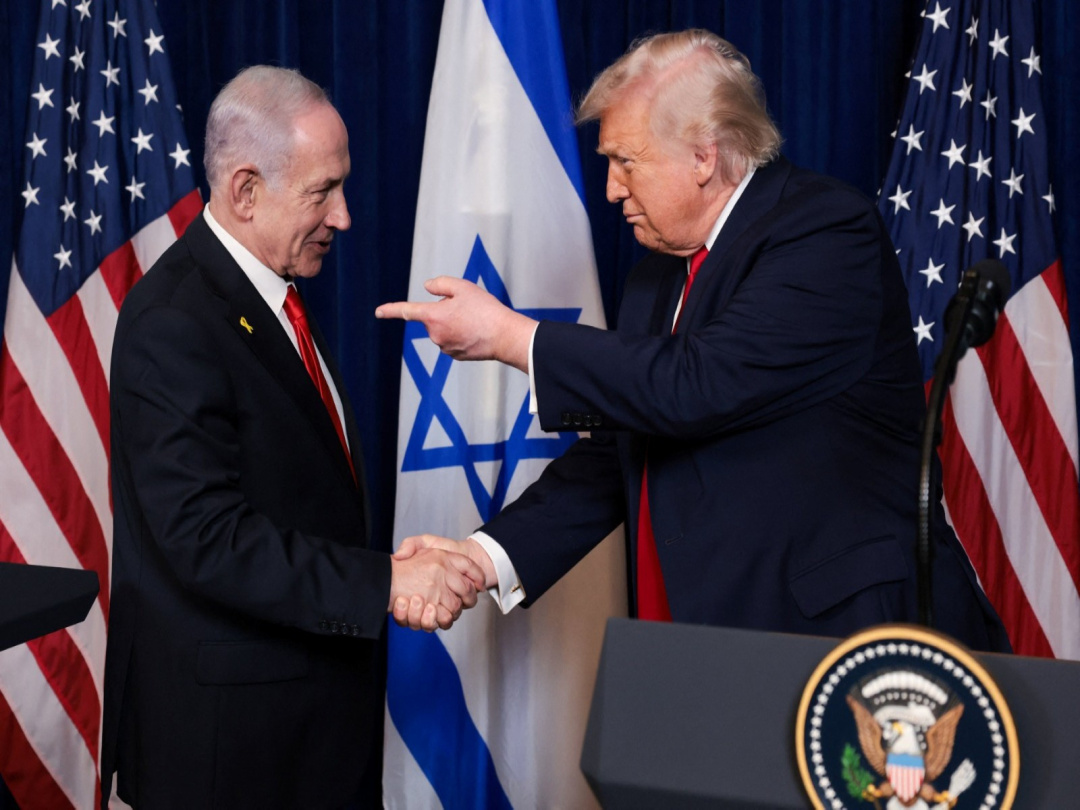
Netanyahu’s Election Strategy: Alienating Allies and Inspiring Hamas

In a bold move that can only be described as electoral gymnastics, Israeli Prime Minister Benjamin Netanyahu has rejected a US-led Gaza plan just in time for the upcoming elections. This decision, while likely pleasing to some hardliners, raises eyebrows over its potential to alienate key allies, including none other than Donald Trump himself. It seems the Prime Minister is more concerned about his political survival than about the complex geopolitical landscape in which he operates.
As Netanyahu gears up for the ballot box showdown, he's deftly maneuvering through a minefield of expectations, appeasing his right-wing base while simultaneously throwing what could be his most important ally under the bus. Trump’s endorsement of the Gaza plan was supposed to signal a united front, but Netanyahu’s rejection is the diplomatic equivalent of a mic drop. One can only imagine the reaction in Mar-a-Lago as the news broke.
Still Beats Watergate:
Sponsor success. Continue reading:
Analysts are having a field day with this one. By publicly siding with Hamas in the wake of Netanyahu’s decision, the group has seemingly scored a tactical victory. It’s almost as if they’re saying, “Thanks for the boost, Benjamin; we’ll take it from here!” One can only chuckle at the irony: a politician so consumed by his own electoral ambitions that he inadvertently strengthens the very adversary he claims to oppose.
Meanwhile, the political theater continues. Netanyahu’s campaign seems to prioritize short-term electoral wins over long-term stability in the region. It’s a classic case of choosing the spotlight over a sustainable strategy, leading to a head-scratching question: how far is he willing to go to stay in power? If this is any indication, we might soon find out.
As the election draws nearer, one wonders what other surprises Netanyahu has in store. Will he introduce a new policy that doubles down on divisiveness, or perhaps a flashy campaign slogan that reads, “Elect me, and let’s keep the chaos rolling!”? It’s clear that in the world of political maneuvering, the stakes couldn’t be higher, and the sense of drama more palpable.
In the end, Netanyahu’s rejection of the Gaza plan serves as a stark reminder of the absurdity that can unfold in the high-stakes game of politics. As he juggles international relations with electoral ambitions, the question remains: will he land on his feet or faceplant spectacularly? Only time will tell, but for now, the stage is set and the audience is watching.