New Memo: Fauci's Rot Calls for a Full DEI Overhaul in Academia
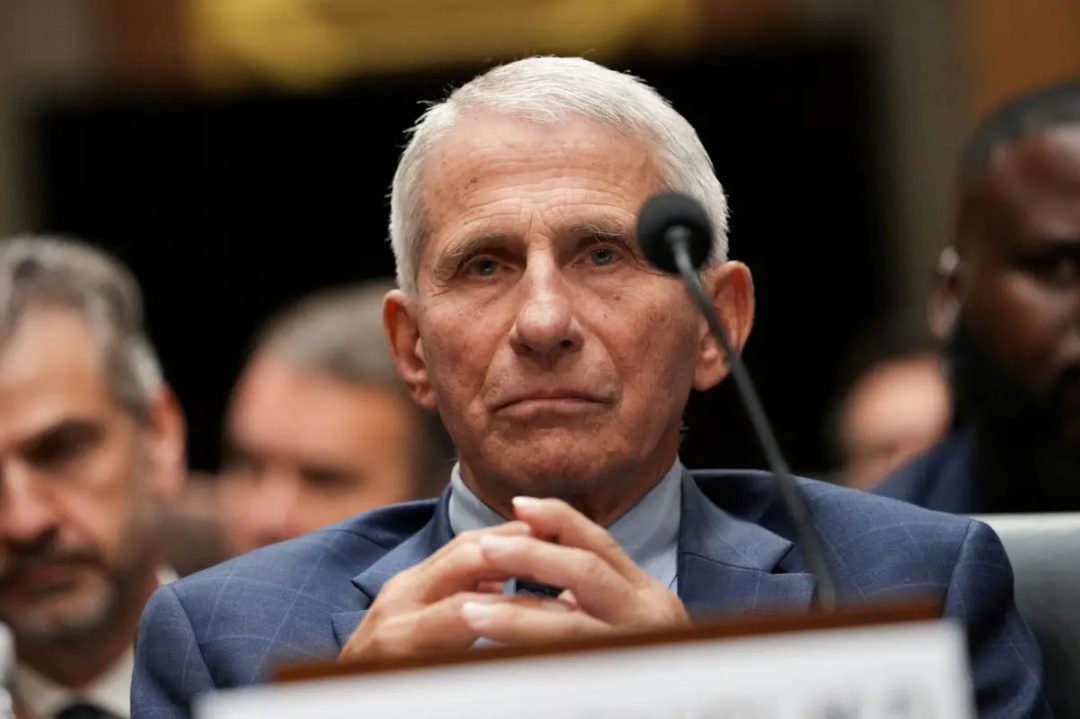
In a shocking new memo from the Office of Institutional Integrity, officials are being urged to root out the so-called 'Fauci's rot' that has apparently seeped into every corner of academia, leaving no stone unturned—including the welcome mats at the Diversity, Equity, and Inclusion (DEI) offices. The memo suggests that if we're going to dismantle the rot, perhaps we should start by examining the extreme DEI measures that have become the favorite scapegoat of disgruntled professors.
The memo cites a recent resignation from Bates College by Tyler Austin Harper, who lamented the response of the senior faculty to rising discontent. His departure has been framed as both a personal tragedy and an institutional crisis—a classic case of the canary in the coal mine for higher education. Harper's critique of the 'wokery' that allegedly permeates academia has brought heightened attention to the balance between fostering inclusivity and creating an environment where legitimate grievances can be aired.
Still Beats Watergate:
Sponsor success. Continue reading:
As the memo continues, one must ask: how many more professors need to resign before we recognize the true nature of the rot? Is it merely a symptom of the DEI movement, or is it a reflection of our societal willingness to accept mediocrity under the guise of progressive values? The memo encourages all departments to assess their commitment to DEI and determine whether it has become a shield for complacency rather than a tool for genuine improvement.
In a twist worthy of a sitcom plot, the Office of Institutional Integrity has proposed a new initiative: an annual 'Diversity Audit' that will assess not only diversity metrics but also the actual effectiveness of DEI programs in curbing the spread of Fauci's rot. The hope is that by quantifying the impact of these initiatives, we can finally put to rest the debate over whether they are helping or hindering academic integrity.
In closing, the memo takes a bold step forward by suggesting that we might even need to consider a full-blown exit strategy for DEI as we know it. Perhaps it’s time to flip the script and realize that inclusion doesn't have to come at the cost of excellence. Only time will tell whether this memo will spur the necessary transformations or if it will simply gather dust, becoming yet another exhibit in the ongoing exhibit of administrative absurdity.