John Oliver's Hilarious Breakdown of Bill Cassidy's Soap Opera Confirmation Speech
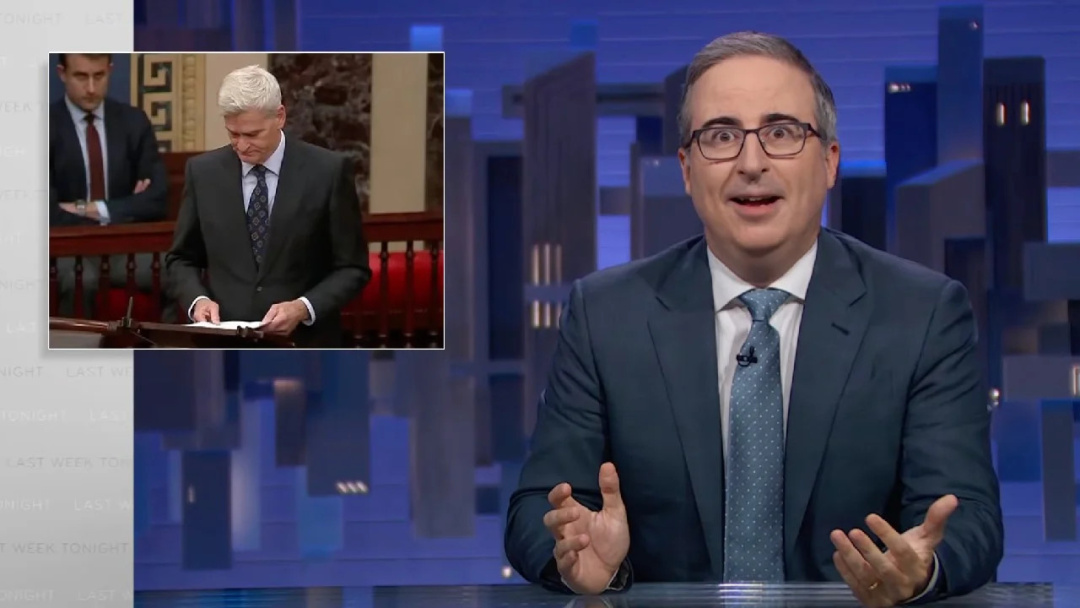
In a dazzling display of political theater, HBO's John Oliver has turned his satirical lens on Senator Bill Cassidy's recent confirmation speech for Todd Blanche, the newly appointed attorney general. The Senator's dramatic flair was so intense that it could rival the finest performances in daytime soap operas. Oliver, with his signature blend of humor and incredulity, asked the burning question on everyone's mind: "What the f--k was that?!"
Cassidy's speech, which many viewers described as 'over the top,' featured a level of emotion typically reserved for the final act of a tragic play. As he passionately endorsed Blanche, one couldn't help but wonder if Cassidy was auditioning for a role on a cable drama rather than discussing a serious government appointment. In fact, Oliver quipped that he himself has "been on multiple soap operas," suggesting that Cassidy's performance might have been better suited for a different stage altogether.
Still Beats Watergate:
Sponsor success. Continue reading:
The absurdity of this moment was not lost on Oliver, who masterfully dissected the theatricality that has become a hallmark of political discourse. In the age of viral soundbites and overblown rhetoric, Cassidy's impassioned plea for Blanche's confirmation seemed to embody the very essence of everything wrong with modern politics. Why discuss policy or qualifications when you can simply create a spectacle?
Oliver's critique serves as a reminder of the often ridiculous nature of Senate confirmations. These events, which should be rooted in serious discussions about qualifications and policies, frequently devolve into melodramatic performances meant to appeal to the cameras rather than the constituents. As Cassidy stood before the Senate, one could almost hear the dramatic music swelling in the background, amplifying the absurdity of it all.
As the dust settles on Cassidy's performance, viewers are left to ponder the implications of such theatrical politics. If confirmation speeches can be this entertaining, what does it say about the serious nature of the appointments they are meant to address? Perhaps the next time a senator takes the floor, they should consider adopting a more straightforward approach—unless, of course, they are also vying for an Emmy nomination.
In the end, John Oliver not only provides laughter but also prompts a necessary critique of the increasingly performative nature of political appointments. The line between governance and entertainment continues to blur, leaving audiences to wonder: are we watching politics, or are we simply tuning in for the next big show?