Inflation: The Uninvited Guest at the Democrats' Dinner Party
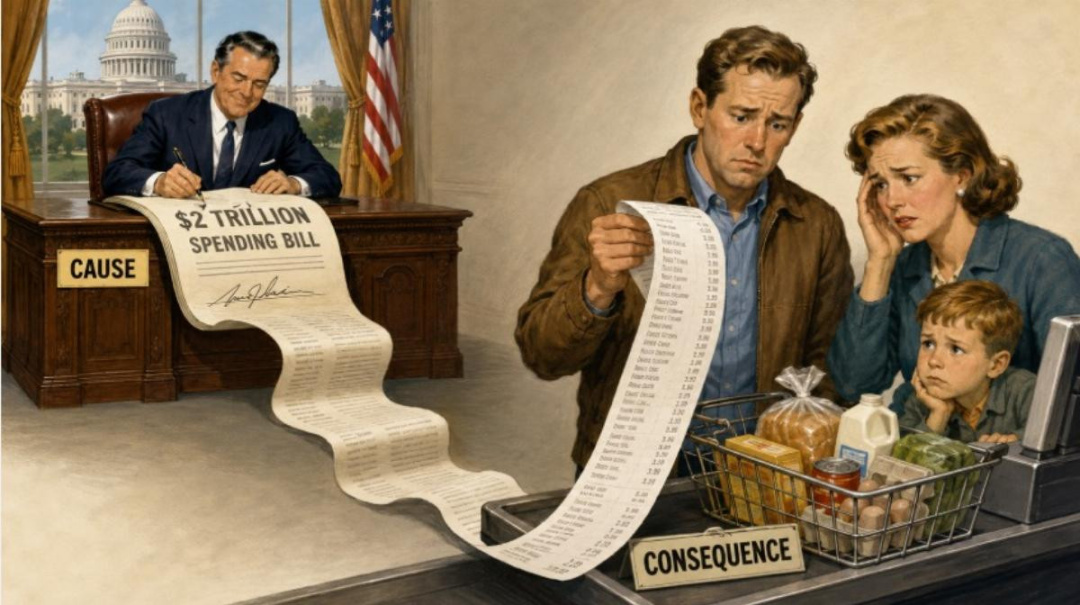
In an impressive display of political acrobatics, the Democrats have managed to shift the blame for soaring inflation onto their predecessors, all while serving up a heaping plate of denial. As grocery prices continue to rise, the party insists it’s not their fault; after all, who could have predicted that pumping two trillion dollars into an already recovering economy might cause a little hiccup in pricing? A true political magician’s trick, indeed.
Inflation has become the unwanted guest at the Democrats' dinner party, showing up uninvited and lingering long past the appetizers. Rather than owning up to the decisions that led to this fiscal fiasco, they’re busy deflecting blame with all the finesse of a seasoned politician. "It’s the pandemic! It’s corporate greed!" they cry, while the real culprit—their own policies—lurk in the background, smirking as they watch the chaos unfold.
Still Beats Watergate:
Sponsor success. Continue reading:
The grocery receipt, that grim testament to rising costs, is where inflation makes its grand appearance. It doesn’t just materialize out of thin air; it has roots, roots that stretch back to the American Rescue Plan, where money was thrown around like confetti at a parade. The Democrats’ refusal to acknowledge their role in this mess is almost impressive, as if they believe they can slough off responsibility like old skin.
As the Biden administration celebrates a slight slowdown in inflation rates, families across America are still grappling with the reality of their grocery bills. A 30% increase in prices doesn’t magically disappear because next year’s hike is only 3%. It’s a classic case of political misdirection, where the administration measures its success not by the actual size of the problem but by the speed at which it grows.
The narrative battle is heating up as the upcoming elections approach. The left wants to focus on the present, pretending that history began with the swearing-in of the current administration. Meanwhile, those of us with a functioning memory know that every economic issue has a timeline, with decisions echoing long after they’re made. The fight is over whether voters will be allowed to remember who made what choices or if they’ll be gently nudged into forgetting.
In this game of political musical chairs, the Democrats are hoping to dodge the blame by insisting they inherited an economic disaster instead of acknowledging they helped create it. The real question for voters will be whether they judge leadership by the problems inherited or the decisions made. As this circus continues, one thing is for sure: the inflation narrative will be a central theme, and the Democrats will need to decide whether to take a bow or keep pretending they had nothing to do with the show.