Israel Disavows Trump’s Gaza Plan, Claims Hamas Needs to Disarm Before Any Progress
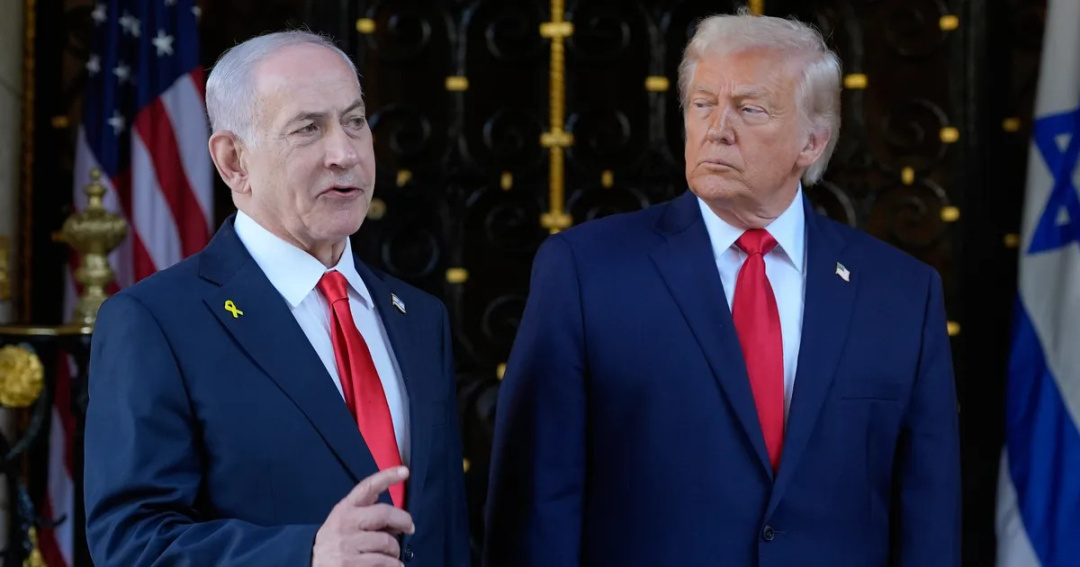
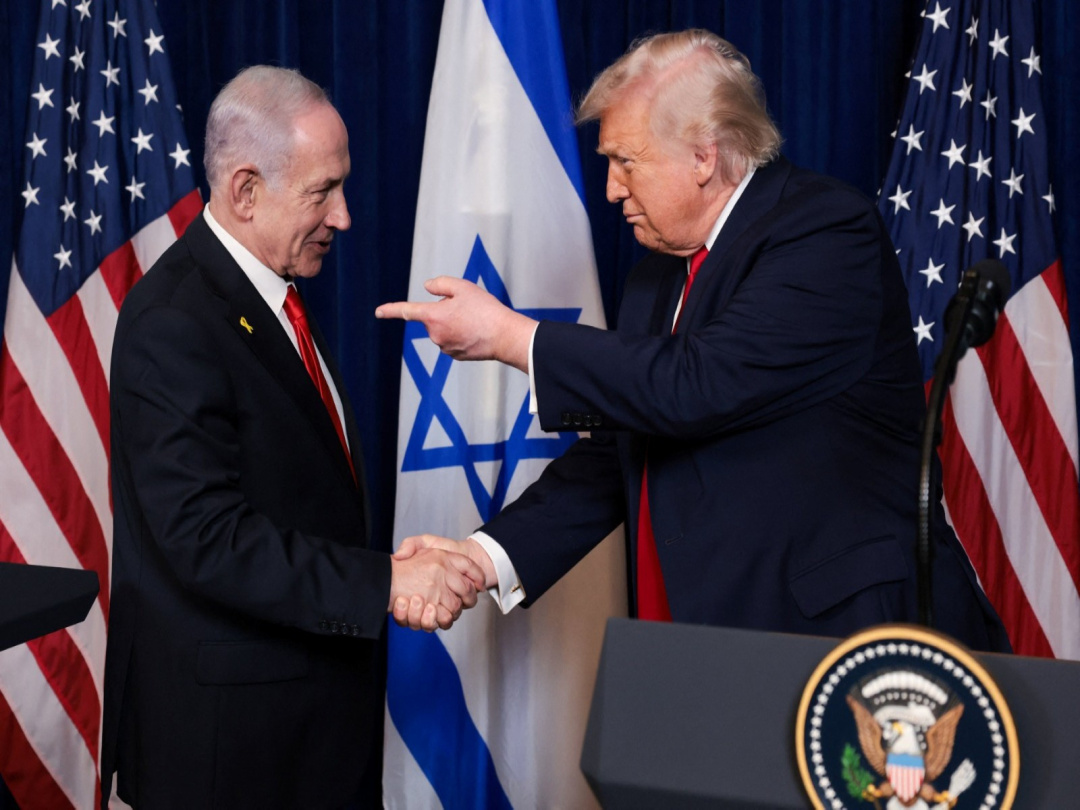
In a dramatic twist worthy of a political soap opera, Israeli Prime Minister Benjamin Netanyahu has announced that his country will not be withdrawing from Gaza anytime soon, rejecting President Trump’s much-ballyhooed deal. Netanyahu specified that the Israeli military will remain firmly in place until Hamas lays down its arms, a development that has left many scratching their heads and rolling their eyes at the ongoing saga of Middle Eastern diplomacy.
"Israel rejects the 15-point document," Netanyahu stipulated during a Cabinet meeting, adding that discussions with Washington are still on the table. It seems that while Trump may be keen on pushing his agenda, Netanyahu is more focused on holding onto his own power amid looming elections. Who knew that disarming Hamas would be the new prerequisite for everything, including a friendly brunch?
Still Beats Watergate:
Sponsor success. Continue reading:
Meanwhile, in other Middle Eastern news that reads like a twisted plot line, Iranian-backed Houthi rebels have ramped up their attacks, targeting a government-held port in Yemen. It’s almost as if the region is playing a game of geopolitical chess, with each side moving pieces in a complex strategy that seems to involve far more hostility than cooperation.
As if on cue, Iran’s Foreign Minister has chimed in, declaring that any maritime routes through the Strait of Hormuz need to be negotiated under the strictest conditions. Apparently, the strait has become a hotbed of diplomatic negotiations as Iran and Oman work on a deal that could see vessels from “hostile countries” barred. It’s like a maritime version of an exclusive club where only the right guests are allowed.
Back in the U.S., Trump asserted that negotiations with Iran are ongoing, albeit in a rather half-hearted manner, which seems to be his trademark style. As always, the situation remains fluid and somewhat chaotic, with the U.S. administration trying to maintain a semblance of control over what seems to be an unruly international circus.
Let’s not forget Netanyahu’s domestic troubles, as he juggles political pressures while trying to maintain an iron grip on Israeli policy. One can only wonder how the upcoming elections will affect his stance on Gaza, especially as he faces mounting criticism and a public tired of perpetual conflict.
Ultimately, the rejection of Trump's Gaza plan is less about a concrete strategy and more about the ongoing theatrics of international politics. As these leaders navigate the treacherous waters of diplomacy, one thing is clear: the drama is far from over, and the audience is eagerly waiting for the next act.