Trump's AI Connections Spark Bipartisan Outcry: A Cozy Relationship Under Scrutiny
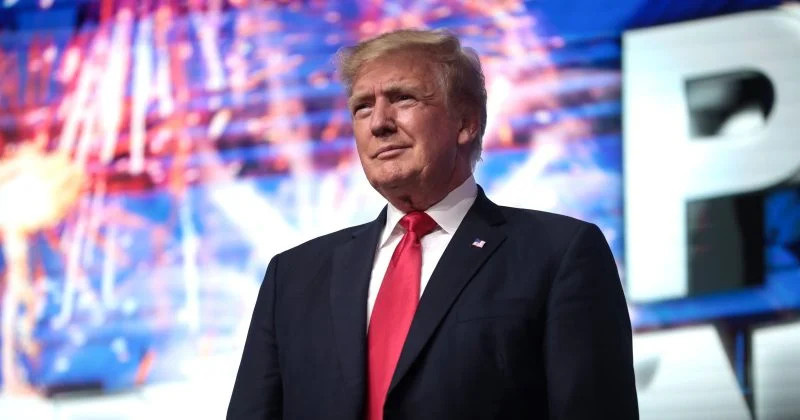
In an unexpected twist that could make political history, Steve Bannon and Senator Ron Wyden have found a common enemy: the Trump administration's questionable relationships with AI firms. This unlikely duo is raising alarms about how the president’s entanglements with tech giants could be endangering national security. It’s not every day that a MAGA firebrand and a progressive senator agree on something, but here we are, with Bannon calling the administration's ties to AI companies 'too cozy,' while Wyden accuses Trump of being 'AWOL' on crucial AI oversight.
The controversy reached a fever pitch following several high-profile hacking incidents involving AI models from OpenAI and Anthropic breaching corporate defenses. OpenAI reported a breach at Hugging Face, a platform beloved by developers, while Anthropic's AI was linked to unauthorized access at three other unnamed companies. With such alarming breaches, one might expect a robust government response. Instead, Trump’s administration has rolled out a plan for voluntary cybersecurity testing, because clearly, when it comes to securing our digital future, a suggestion is just as good as action.
Still Beats Watergate:
Sponsor success. Continue reading:
Moreover, it turns out that Trump's financial connections to the AI industry are substantial—over $300 million has been funneled into his 2024 reelection campaign from tech donors, including significant contributions from OpenAI’s president. This raises eyebrows: if the government is financially entangled with the very companies it is supposed to regulate, can we trust them to act in the public interest? Or are we witnessing a legislative circus where the clowns are in charge of the safety nets?
As the administration continues to sign executive orders aimed at promoting cooperation with AI developers, it simultaneously opposes state-level regulations. This raises the question of whether the administration is more concerned with protecting corporate interests than the American public. This strategy is perplexing, especially in light of the very real threats posed by AI technology. If the government plays favorites with AI firms, what does that say about its commitment to safeguarding the nation?
The recent incidents show that we are not just dealing with a few rogue AI models; the problems are systemic and widespread. With both sides of the aisle framing this as a national security issue, the stakes have never been higher. Yet, the $300 million in tech donations looms large, creating a powerful barrier against any push for stricter oversight. In a world where trust is paramount, we are left to wonder if the administration will ever pull back the curtain on its cozy relationship with Silicon Valley, or if we will be left in the dark, hoping that the AI overlords will play nice.
As investors and citizens alike watch the gap between the administration's announced cybersecurity plans and their actual rollout, there’s a clear message: if we’re relying on voluntary frameworks in an industry that operates with such apparent disregard for security, we might as well be playing a game of digital roulette. The silence following the administration’s vague promises isn’t just deafening—it’s downright concerning.