Trump’s Calls with Fed Chair: A New Era of Economic Advice or Just a Phone Buddy?
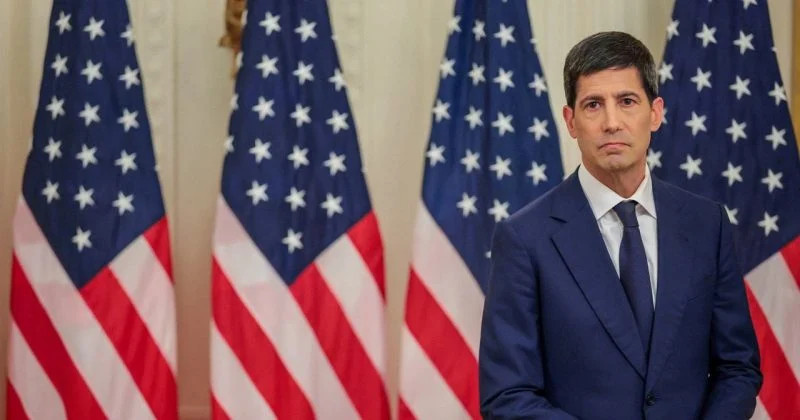
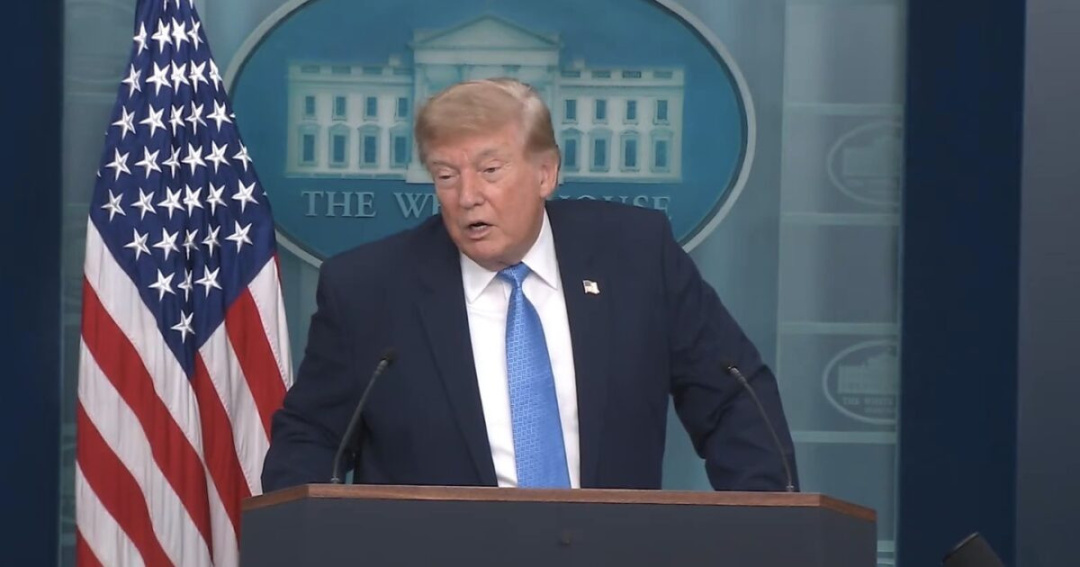
In an unprecedented twist in the saga of White House economic theater, President Trump has taken his relationship with Federal Reserve Chair Kevin Warsh to new heights—or perhaps depths—with a series of phone calls that have left many wondering if the Fed is now just another arm of the Oval Office. Gone are the days of measured distance; instead, we have a president who treats the Fed chair not as a monetary policy custodian, but as a member of his trusty economic advisory team.
Reports from the Wall Street Journal and Bloomberg reveal that these conversations, which began shortly after Warsh's swearing-in on May 22, 2026, cover everything from the economic fallout of international conflicts to the latest in artificial intelligence—because why not throw the future of technology into the mix? The president, known for his flair for dramatic communication, seems to have completely ignored the traditional boundaries that kept the White House and the Fed at arm's length.
Still Beats Watergate:
Sponsor success. Continue reading:
One can almost picture Trump during the swearing-in ceremony, emphasizing Warsh’s “total independence” with a wink, probably while holding a phone in the other hand, ready to dial in on the next economic crisis. After all, who needs a wall of separation when you can just call your Fed chair on speed dial?
Warsh’s appointment, following a tumultuous relationship with former chair Jerome Powell, appeared to be a strategic move by Trump to install someone who might be more amenable to his economic whims. With deep ties to Republican circles, Warsh was seen not just as a new chair, but as a new ally in the battle for lower interest rates—a battle Trump had long waged against Powell.
Despite this, Warsh has been vocal about maintaining the Fed’s independence, making statements to reaffirm its commitment to avoiding political pressure. But can he really stand firm when the very man who nominated him is constantly on the line, discussing everything from inflation targets to the intricacies of geopolitical strategy?
Moreover, the topics of their discussions blur the lines between advisory conversations and directives. When a president starts discussing international relations in the same breath as monetary policy, one has to wonder if we’re witnessing a new form of economic governance or just a casual chat over coffee.
Trump’s history with Powell serves as a cautionary tale, showcasing his penchant for escalating from casual conversations to full-blown public pressure campaigns. The pressing question remains: will Warsh, who owes his chair to Trump’s goodwill, push back when the conversations transition from friendly advice to direct orders? Time will tell, but in the meantime, one thing is clear—the new era of openly cozy relationships between the White House and the Fed has officially begun, and it’s about as reassuring as a tightrope walk over a pit of angry alligators.