Netanyahu's Rejection of Gaza Deal: A Diplomatic Power Play or Just Political Theater?
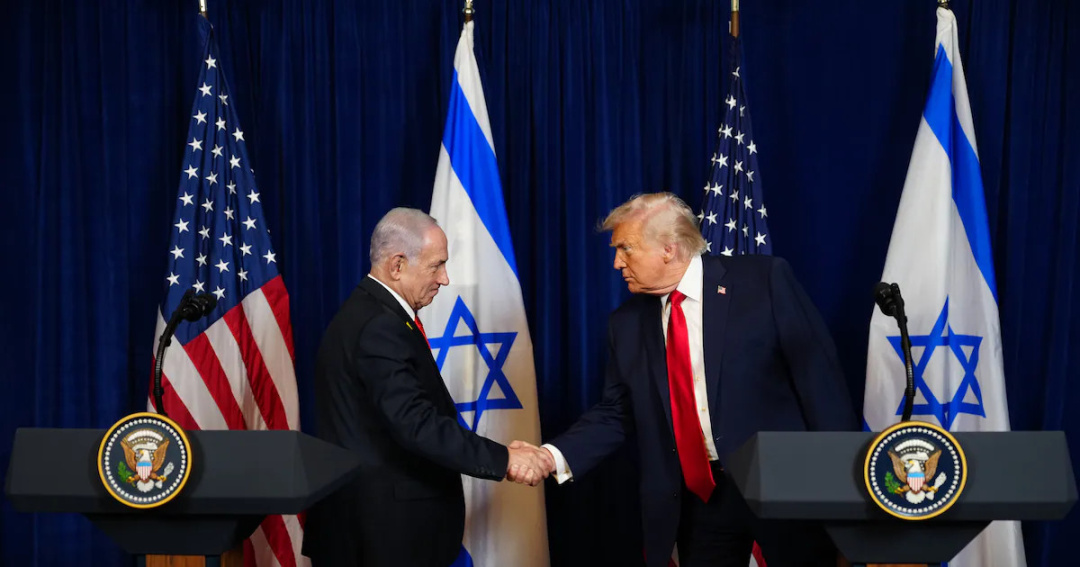
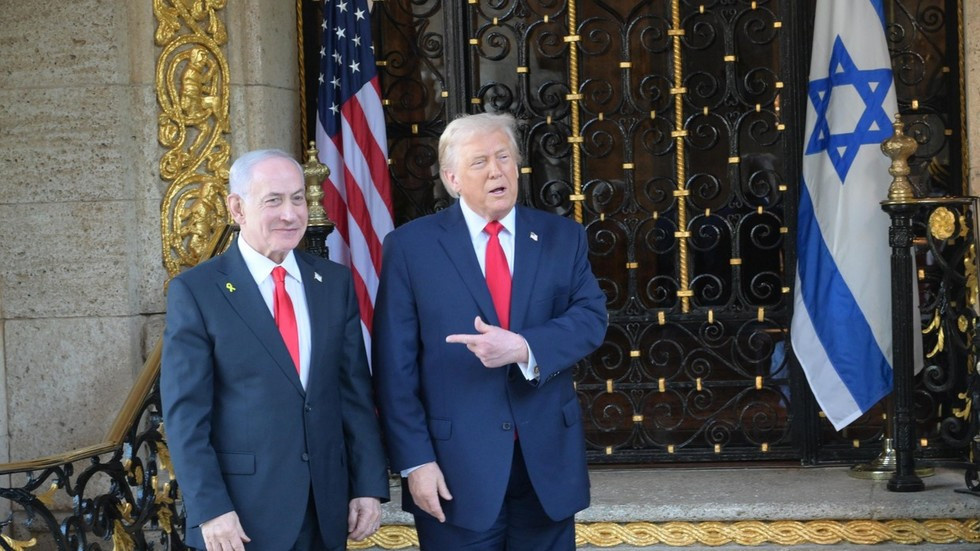
In a move that could either be seen as a bold diplomatic stance or just another episode of political theater, Israeli Prime Minister Binyamin Netanyahu has officially rejected the 15-point Gaza peace plan laid out by none other than President Donald Trump. This surprising dismissal has sent waves through diplomatic circles, as it seems to hint at a more complicated relationship between the two leaders than previously thought.
Trump, who is desperately trying to secure foreign policy successes as the mid-term elections loom, may have anticipated a different response from Netanyahu. After all, nothing says 'strong ally' like a public rejection of a peace plan that was supposed to highlight Trump's negotiation prowess. Perhaps Netanyahu is trying to send a message: 'Look, I can reject your plans just as easily as you can propose them.'
Still Beats Watergate:
Sponsor success. Continue reading:
As the Israeli Defense Forces (IDF) prepare to stand firm against any semblance of a peace agreement, one can't help but wonder if this is all part of a larger strategy. Is Netanyahu simply flexing his muscles, asserting his independence, or is he looking for a more favorable deal? In the world of international relations, nothing is ever straightforward. This rejection could be seen as a tactical play to leverage more advantageous terms in future negotiations.
Meanwhile, Trump's team is likely scrambling to spin this rejection into something palatable for the American electorate. A press briefing might soon assure everyone that Netanyahu's decision is actually a sign of strong leadership and commitment to Israel's security, rather than a slap in the face to the Trump administration. Expect to hear that this is all part of a grand strategy to strengthen Israel's position in the region.
In the halls of power, bureaucratic logic reigns supreme. One can imagine a memo circulating that reads, "To maintain diplomatic relations, it is imperative that we interpret rejection as enthusiasm for further discussions." This is the kind of absurdity that defines modern diplomacy—where a rejection can be rebranded as a step toward peace, and a lack of progress becomes a strategic retreat.
As the narrative unfolds, the world watches to see if this rift will deepen or if Netanyahu will ultimately come back to the table, perhaps after some political posturing. For now, it’s clear that both leaders are playing a high-stakes game where the stakes are not just regional peace, but personal political fortunes as well. In the end, we are left to ponder whether this rejection is a genuine diplomatic maneuver or just another act in the ongoing theater of international relations.