Trump Campaign Removes Taylor Swift Songs, Claims It's Not Personal, Just Business
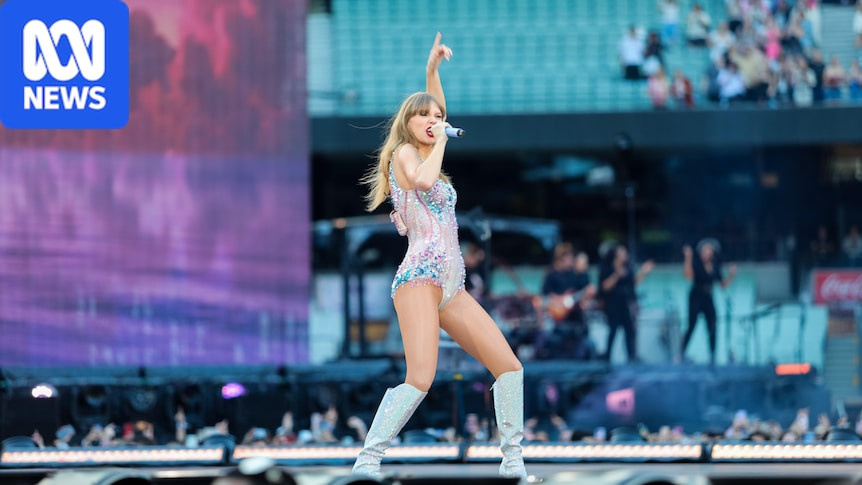
In a stunning twist of political theater, the Trump campaign has decided to remove a selection of Taylor Swift songs from its social media arsenal, citing concerns that the pop superstar might not appreciate her music being used to underscore the former president's often contentious messages. This dramatic shift comes after years of feuding between Swift and Trump, where the singer has made her disdain for the administration abundantly clear.
Once upon a time, the campaign had a fondness for Swift's lyrical flair, incorporating tracks like 'August' in TikTok videos featuring the president and First Lady Melania Trump gazing at fireworks. However, it seems that the romance has soured, leading to a hasty retreat from the musical selections that once punctuated their digital content.
Still Beats Watergate:
Sponsor success. Continue reading:
Rumors swirl that the campaign's legal team advised against further musical misadventures, fearing that Swift might unleash her legal team faster than a catchy chorus. After all, with Swift's history of taking a stand against unauthorized use of her songs, the campaign appears to have opted for a safer melody.
In a classic case of musical chairs, the Trump campaign now finds itself searching for new tunes that align with their political messaging without the risk of incurring the wrath of the pop queen. Perhaps they will turn to the classics—after all, who could resist a good rendition of 'Yankee Doodle Dandy' during a rally?
As the campaign scrambles to fill the soundtrack void, one can't help but wonder if this marks the end of the Trump-Swift saga or merely a pause as they both march to the beat of their own drums. In the meantime, Swift fans can rejoice, knowing their favorite artist won't be inadvertently promoting an administration she's vehemently opposed to.
The political implications of this decision are as layered as a Taylor Swift album, and it certainly raises questions about the relationship between musicians and political campaigns. Will this lead to a new era of artist activism, where musicians take a more proactive stance in protecting their work from being co-opted for political gain? Or is it simply a fleeting moment of clarity in an otherwise chaotic campaign landscape? Only time will tell, but one thing is for sure: the soundtrack of this election cycle just got a little quieter.