U.S. Military Diverts Resources: Allies in Asia Wonder If They’re Still on the List
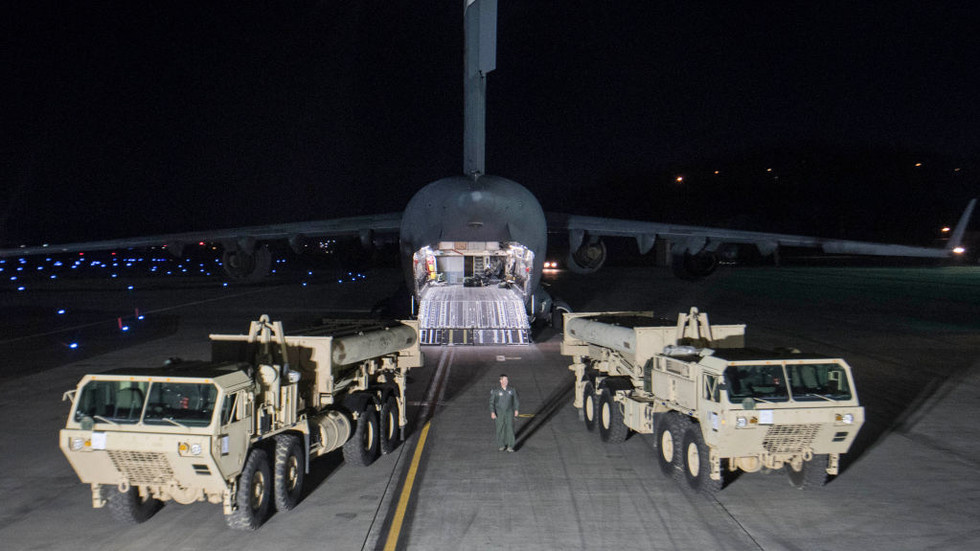
In a move that has left allies in Asia scrambling for reassurance, the U.S. military has reportedly decided to play a game of musical chairs with its missile interceptors, redirecting resources from Asia to the Middle East. This strategic maneuver comes in the wake of the ongoing Iran war, which has apparently drained stockpiles faster than a kid with a candy jar.
The New York Times, in a report that has many in the region raising their eyebrows, highlights that the U.S. has pulled out hundreds of interceptors from places like South Korea, leaving those allies to wonder if they should start investing in more than just umbrellas. The campaign, which kicked off with a joint U.S.-Israeli attack on Iran, has seen the U.S. using missiles that were supposedly earmarked for a potential face-off with China over Taiwan. Talk about a change in plans!
Still Beats Watergate:
Sponsor success. Continue reading:
With more than 1,500 Patriot interceptors already expended in the Iran conflict, and fewer than 1,700 left in the inventory, it seems like the U.S. has hit the proverbial panic button. South Korean and Japanese officials are reportedly starting to doubt America’s ability to keep their skies safe. It’s a real head-scratcher when your ally is pulling resources away just when you need them the most.
In a classic display of political spin, U.S. President Donald Trump and War Secretary Pete Hegseth have vehemently denied that any shortages exist, opting instead to accuse the media of spreading misinformation. In a moment of pure political theater, Trump declared the U.S. had "unlimited" stockpiles, which begs the question: does he have a secret missile factory hidden away in the basement of the White House?
As Trump pointed fingers at his predecessor Joe Biden for supposedly giving away weapons to Ukraine, one can only imagine the conversations happening around the dinner tables in Tokyo and Seoul. "Hey, do you think if we asked nicely, they’d send us a few of those unlimited stockpiles?"
While the U.S. is busy reassuring itself and its political base, allies in Asia are left wondering if they should start looking for alternative forms of defense, perhaps investing in a good old-fashioned slingshot or a solid bunker. Because if this trend continues, they might just have to rely on their own ingenuity, or at least hope that the U.S. finds enough spare parts in the couch cushions to keep them safe.