Uncle Sam's Peace Negotiations: A Comedy of Errors
In a world where negotiations are the name of the game, the United States has apparently decided that winning wars is just too mainstream. Instead, our approach to military conflict resembles a bad sitcom where the plot revolves around endless negotiations rather than achieving any semblance of victory. After all, why go for a decisive win when you can engage in a never-ending cycle of ceasefires and peace talks that lead nowhere? It’s like trying to fix a leaky faucet by just ignoring it, hoping it will miraculously repair itself.
Take, for example, the current situation in Iran. The strategy unfolds like a poorly scripted drama: intense military strikes, followed by a truce that seems to last only until the next episode of “As the Straits of Hormuz Turns.” Each ceasefire gives the Iranian Revolutionary Guard Corps (IRGC) a chance to regroup and rearm, all while the U.S. military brass sits back and wonders why their efforts to bring peace resemble a game of whack-a-mole. Every time they think they’ve finally landed a blow, the IRGC pops back up, ready for round two.
Still Beats Watergate:
Sponsor success. Continue reading:
This pattern begs the question: are we negotiating with a regime that has a firm grasp on reality? The IRGC, after all, thrives on martyrdom and glorifies sacrifice, much like a twisted version of a motivational seminar gone horribly wrong. With the Iranian leadership viewing compromise as a sign of weakness, it’s no wonder that U.S. attempts at negotiation appear more like a comedy of errors than a serious diplomatic effort.
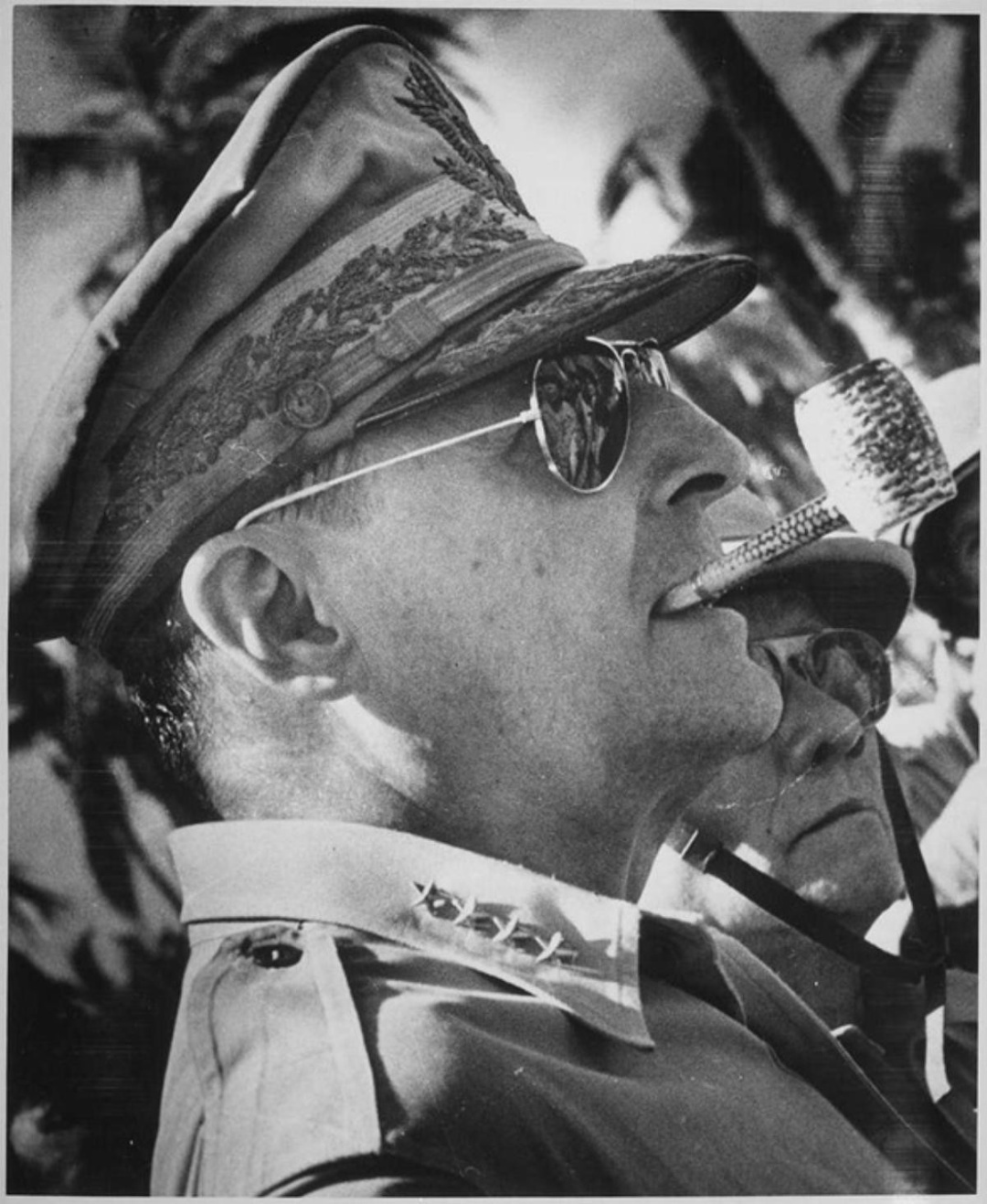
And let’s not forget the lessons from history. General Douglas MacArthur famously stated, “In war, there is no substitute for victory.” Yet here we are, decades later, with a military strategy that seems to take that advice and toss it out the window in favor of a lengthy discussion about feelings and potential compromises. If MacArthur were alive today, he’d likely be shaking his head in disbelief, wondering when the American military became synonymous with diplomatic tea parties.
One might think that the Trump administration, with its bravado, would embrace a more decisive approach. However, it appears that the prevailing sentiment is still to negotiate rather than obliterate. Maybe it’s time for a strategic overhaul—one that focuses on eliminating the problem rather than attempting to negotiate with it.
The notion that the U.S. can simply engage in talks with a regime that views defeat as unacceptable is comedic at best. The Iranian people, who largely oppose their theocratic rulers, find themselves caught in the middle of this absurdity. The only thing more frustrating than the U.S. negotiations is the realization that a majority of Iranians would likely prefer a swift end to their oppressive regime rather than a drawn-out negotiation process.
So, here’s a thought: let’s stop pretending that negotiating with terrorists is a viable strategy. Instead, how about we get the job done? The U.S. could take a page from the book of practical solutions by focusing on concrete actions rather than endless talks. After all, in the world of military strategy, sometimes it’s better to be decisive than diplomatic. Let’s face it, winning a war is far more satisfying than sitting down for coffee and discussing the merits of compromise with those who believe defeat is not an option. It’s time to turn off the light-hearted sitcom and step into the decisive drama that is military victory.