Former Presidents Write Essays, Trump Left on the Cutting Room Floor
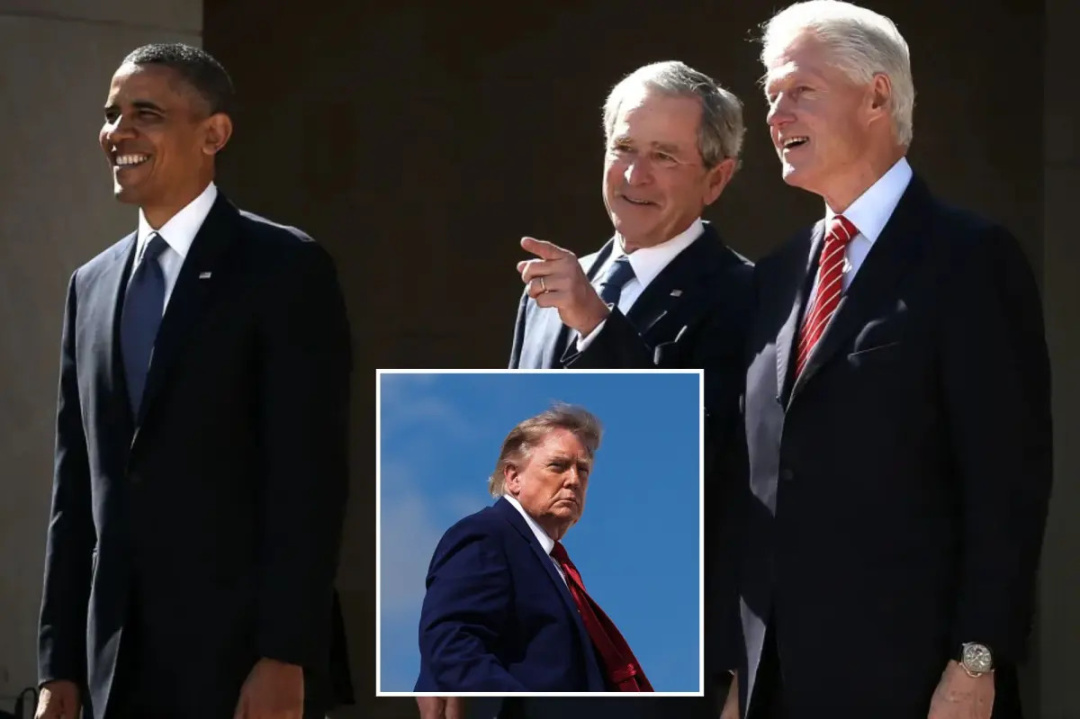
In a literary endeavor that feels more like a high school yearbook than a presidential retrospective, George W. Bush, Barack Obama, and Bill Clinton have joined forces to pen essays as part of the In Pursuit project, celebrating the 250th anniversary of the presidency. While one might expect a comprehensive examination of the office, it appears the trio collectively decided that mentioning Donald Trump was about as essential as including a chapter on a forgotten vice president.
Bush, in what can only be described as a masterclass in selective storytelling, chose to write about his father, George H.W. Bush. In his essay, he presumably waxes poetic about the virtues of leadership, service, and the importance of not tweeting at 3 a.m. Obama, on the other hand, took a slightly more historical approach, likely reminiscing about a time when the White House was not a 24/7 news cycle of chaos.
Still Beats Watergate:
Sponsor success. Continue reading:
Clinton, ever the orator, probably found a way to weave in some self-reflection, perhaps lamenting about the days when scandals were limited to cigars and not daily Twitter tirades. But amidst all this nostalgia, the glaring absence of Trump from their narratives raises eyebrows and invites speculation. What exactly did the former presidents think about the man who spent four years redefining the boundaries of presidential conduct—or lack thereof?
It seems the consensus among these elder statesmen is that silence is golden, especially when it comes to weighing in on the last administration. After all, what could they say that hasn’t already been shouted, tweeted, or spun into a media frenzy? Perhaps they collectively agreed that discussing Trump would be akin to discussing the weather during a tornado—intriguing, but ultimately a distraction from the real issues at hand.
As the essays roll out, one can only imagine the conversations happening in Washington. Are they toasting to their shared avoidance of Trump, or simply shaking their heads at the circus that unfolded on their watch? Regardless, the literary project may just serve as a reminder that in politics, sometimes the best commentary is no commentary at all.
In a world where every word is scrutinized, these former leaders have opted to tiptoe around the elephant in the room—a choice that may resonate with voters who are equally tired of the noise. Perhaps it’s time for a follow-up series, where they openly address the unmentionable and reflect on the lessons learned, or better yet, lessons still to be learned. Until then, we’re left with essays that may not just be about presidents, but also about the power of omission in a truly unprecedented era.