Netanyahu's New Election Strategy: Blame Turkiye for All That Ails Israel
In a shocking turn of events that could only be orchestrated by a seasoned political strategist, Israeli Prime Minister Benjamin Netanyahu is reportedly mulling over how to spin the recent defense agreement between Saudi Arabia, Turkiye, and Pakistan into his campaign narrative. With elections looming, Netanyahu faces the daunting task of convincing the electorate that the real threat to Israel isn't his own leadership but rather this newly minted trio of adversaries ready to wreak havoc in the region.
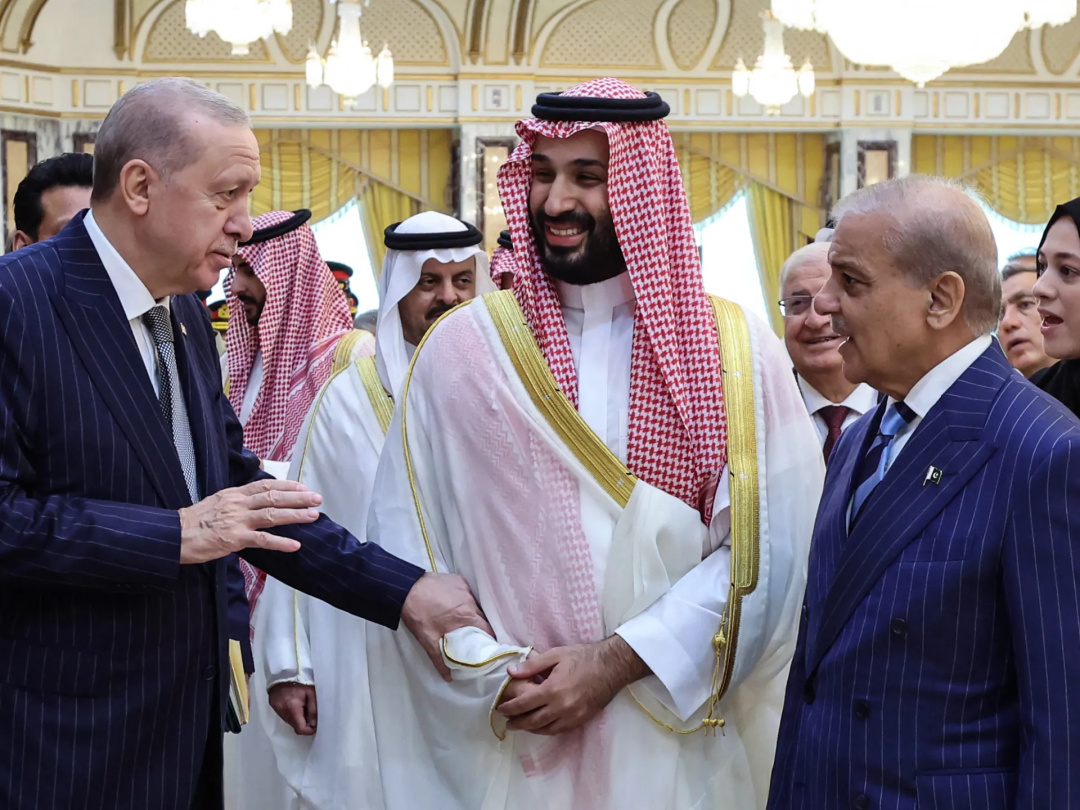
The pact, signed in Mecca, stipulates that any attack on one of the signatories would be viewed as an attack on all three. This certainly sounds ominous and ripe for a bit of political theatrics. After all, what better way to distract from a series of domestic missteps than by pointing fingers at a foreign threat? Netanyahu can easily paint Turkiye as the new boogeyman, especially after Foreign Minister Hakan Fidan labeled Israel a "burden that humanity can no longer bear." This is the kind of incendiary rhetoric that could fuel a campaign ad faster than you can say "strategic blunder."
Still Beats Watergate:
Sponsor success. Continue reading:
As Netanyahu prepares for the electoral showdown, analysts suggest he might crank up the rhetoric to unprecedented levels. With political rivals waiting in the wings, eager to capitalize on any misstep, he may need to double down on portraying Turkiye as a looming menace. Former Prime Minister Naftali Bennett has already coined the term "the new Iran" to describe Turkiye, a label that might just stick if Netanyahu plays his cards right.
Meanwhile, the implications of this defense pact might serve as a useful scapegoat. As the Israeli public grapples with the fallout from the ongoing conflict in Gaza, the prime minister could use the agreement to rally support by framing it as an existential threat. Nothing like a good old-fashioned fear campaign to bolster one's security credentials, right?
Of course, the real irony lies in the fact that while Netanyahu is spinning this pact as a dire threat, he has been actively courting Saudi Arabia for normalization of relations. If he can convince the public that Turkiye is a greater threat than this newfound ally, perhaps he can distract them from the uncomfortable reality of his administration’s failures.
Political analysts suggest that this direction may serve dual purposes: it could energize his base while simultaneously undermining his opponents. If he can convince Israelis that the pact is a sign of impending doom, he may just secure another term in office. It’s a classic move from the political playbook—create a crisis, then play the hero.
As we approach the election, Netanyahu will likely continue to leverage this narrative, insisting that Turkiye’s military ambitions, combined with Pakistan's nuclear capability, pose an existential threat to Israeli democracy. The truth, of course, is that his own governance record is the bigger issue on the ballot, but who needs to focus on that when you can whip up a good foreign policy scare?