MAGA's Tender Feelings Spark Social Media Blockathon
In a stunning display of emotional sensitivity, Robert F. Kennedy Jr. has embarked on a massive blocking spree on Twitter, presumably to shield himself from the harsh realities of criticism following his recent CNN interview. As clips of his bewildering performance with Dana Bash circulated like wildfire, it became clear that the MAGA universe has a new protocol: when faced with uncomfortable truths, simply block and pretend it never happened.
This latest drama unfolded as Kennedy, who has somehow managed to make a name for himself while navigating the murky waters of vaccine skepticism, took the stage in a manner reminiscent of a soap opera star caught in a plot twist. Viewers were left wondering if they were watching a political discussion or a masterclass in denial, and the emotional fallout was palpable.
Still Beats Watergate:
Sponsor success. Continue reading:
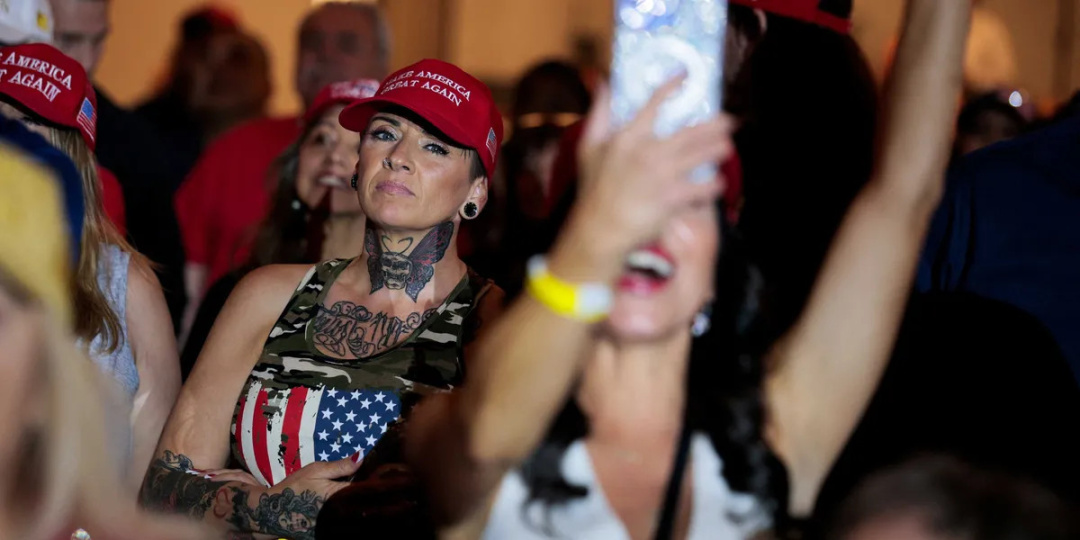
The reaction from his supporters was quick and predictable. Instead of engaging in meaningful dialogue, they opted for a different strategy: blocking dissenters, thereby creating a digital echo chamber where only the most comforting affirmations can be heard. After all, in the world of MAGA politics, the mantra seems to be "If you can’t handle the heat, just turn off the stove."
Kennedy's blocking spree raises important questions about the nature of online political discourse. In a time when divisive politics reign supreme, one has to wonder if blocking critics is a viable strategy for political engagement or merely a sign of fragility. If social media interactions were a boxing match, Kennedy would be the fighter who refuses to step into the ring, preferring instead to watch from a safe distance behind a wall of blocked accounts.
Furthermore, this trend highlights a broader societal issue: the inability of some political figures to handle criticism without resorting to censorship. It’s as if Kennedy has decided that the best way to win a debate is to eliminate any opposing viewpoints from his timeline. This practice not only undermines the democratic process but also invites ridicule from both sides of the aisle.
As the blocking spree continues to unfold, one can only imagine the discussions taking place in MAGA circles about the best way to cope with criticism. Will they hold blocking workshops? Offer support groups for the emotionally distressed? Only time will tell, but for now, it seems that the road to political success is paved with blocked accounts and hurt feelings.
In conclusion, while Kennedy may feel empowered by his digital blockades, the true irony lies in the fact that every blocked account is a missed opportunity for dialogue. Perhaps instead of retreating behind their screens, political figures should embrace the chaos of conversation, however uncomfortable it may be. After all, the best way to prove your point is not by silencing dissent but by engaging with it head-on. Until then, we can expect more blocking marathons and less substantive debate in the realm of social media politics.