CBS News: A Desperate Bid to Revamp '60 Minutes' Turns Into a Haunted House of Contradictions
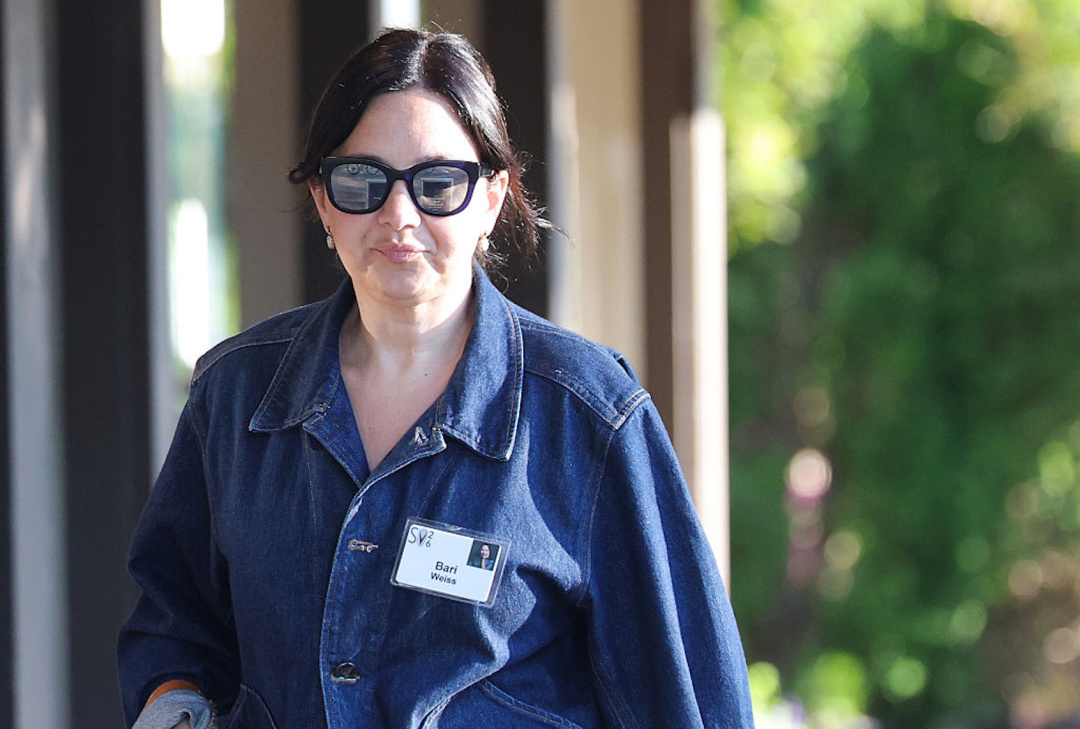
In a shocking twist that could only be scripted in a satirical drama, CBS News is attempting to resuscitate the legendary '60 Minutes' by replacing its seasoned investigative team with a cadre of contrarians. Under the new ownership of David Ellison and editorial guidance from Bari Weiss, the show once revered for its hard-hitting journalism is now being reimagined as a platform for political appeasement. This radical overhaul raises eyebrows as many question if the network is trying to fix something that was never broken.
For 58 seasons, '60 Minutes' has stood as a bastion of journalistic integrity, weathering political storms and corporate upheavals, yet the current regime seems keen on trading depth for soundbites. The replacement of veteran correspondents with less seasoned voices has led to concerns that the program will lose its core mission of holding power accountable. Instead, it appears that Weiss and her team are more interested in crafting narratives that align with a specific political agenda.
Still Beats Watergate:
Sponsor success. Continue reading:
Ellison’s aggressive right-wing revamp of CBS News is not just about ratings; it’s a high-stakes game that seems to be aimed at smoothing the path for a much larger prize: a $111 billion takeover of Warner Bros. Discovery. In this context, the fate of '60 Minutes' resembles a pawn in a chess game, sacrificed for a more audacious corporate strategy. As we watch the fall of a once-great news institution, the question remains: will the next generation of journalists emerge from the rubble?
Reports indicate that the journalists Weiss has pushed out are not merely fading into obscurity. Former executive producer Bill Owens is rumored to be assembling a rival investigative program, signaling that the legacy of '60 Minutes' may not die quietly. With a potential lineup that reads like a reunion special, this new venture could become a formidable competitor, reminding audiences of what true investigative journalism should look like.
While CBS News insists that the editorial changes are routine, the optics suggest a troubling trend toward censorship disguised as journalistic standards. Reports of pressure to skew narratives in favor of the Trump administration raise serious questions about the objectivity of the newsroom under Weiss’s leadership. Meanwhile, significant investigative pieces are being suppressed or sidelined, echoing the sentiments of a network more concerned with appeasing corporate interests than with delivering hard truths to the public.
The irony is thick: in an effort to reshape the narrative, CBS may have inadvertently created a new powerhouse of investigative journalism that stands ready to reclaim the mantle of credibility. As former correspondents join forces and craft their pitch deck for a new venture, they carry with them the lessons learned from CBS's missteps. Perhaps the ghosts of '60 Minutes' past will haunt the new iteration, a reminder of what once was and what could be again.
As the dust settles on this corporate takeover, we are left wondering whether the true essence of '60 Minutes' can survive the chaos. Will it emerge as a revitalized institution dedicated to honest reporting, or will it fade into a cautionary tale of how not to manage a legacy news brand? Only time will tell, but one thing is certain: the media landscape is changing, and the ghosts of journalism past are restless.
In a world where media giants are consolidating power and influence, the fight for journalistic integrity is more crucial than ever. The stakes are high, and the future of '60 Minutes' hangs in the balance, caught between corporate ambitions and the desperate need for accountability in journalism.