The Political Boys’ Club: Domestic Abuse Allegations as a Membership Perk
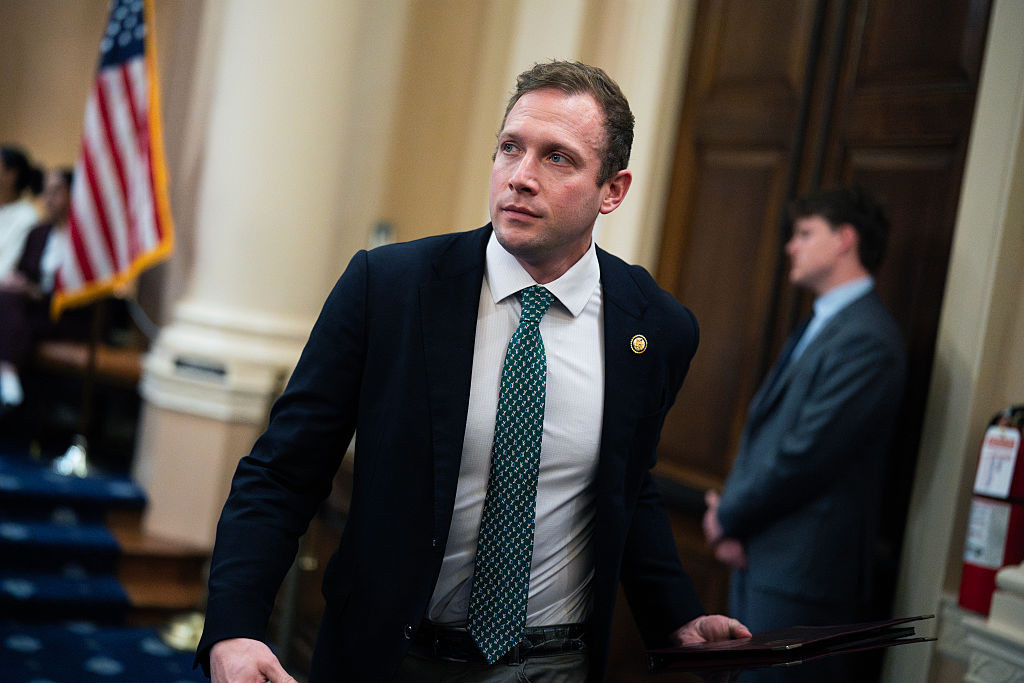
In the latest episode of the Political Boys’ Club, where membership seems to include a free pass for domestic abuse allegations, Rep. Max Miller from Ohio has taken center stage. He’s not just any member; he’s the loudest denier yet, vehemently rejecting claims from his ex-wife of both physical and child abuse. Apparently, his defense strategy is to suggest that it was his ex who was the aggressor. Yes, because nothing says innocence like turning the tables on your accuser while the House Ethics Committee takes a close look at the situation.
Miller has taken to social media to proclaim his innocence, even going so far as to claim that his ex-wife once offered to make him dinner, which he interprets as proof that he’s never engaged in violent behavior. This must surely be comforting to the millions of abuse survivors who know that appeasing an abuser often means trying to keep the peace by any means necessary, including cooking dinner.
Still Beats Watergate:
Sponsor success. Continue reading:
The timing couldn’t be better for Miller, as he joins a growing list of politicians across both parties who have been accused of domestic violence, each seemingly granted honorary membership in this exclusive club. It’s as if the criteria for entry include a history of allegations and a total lack of consequences. From past scandals involving figures like former Rep. David Wu to the more recent troubles of Sean Parnell, the club’s roster reads like a who's who of political misbehavior.
And let’s not forget the grand poobah of minimizing domestic violence himself, Donald Trump, who once claimed that intimate partner violence isn’t really a big deal. He’s suggested that incidents like a spat between spouses should not even be counted in crime statistics. Perhaps his own history with marital allegations informs his perspective, but who can say?
As allegations continue to surface, the government’s own handling of domestic violence statistics has begun to reflect the dismissive attitude of its leaders. The CDC’s page on intimate partner violence now features a politically charged disclaimer that suggests the data is inaccurate, while still presenting it as the latest national prevalence data. Talk about a contradictory statement!
The irony is rich, as the very politicians who should be held accountable for their actions are often defended and supported by the highest office in the land. They can count on their fellow club members to maintain the status quo, where accountability is just a suggestion and allegations are treated like minor inconveniences.
As we dive deeper into this boys’ club, it’s alarming to see how many members have faced allegations yet continue to hold power. Whether it’s former White House staffers or state representatives, their stories paint a grim picture of how domestic violence is handled—or rather mishandled—in the political arena.
In a society that increasingly demands accountability, the boys’ club continues to thrive, leaving survivors to wonder when, if ever, the tide will turn. The question remains: with so many voices silenced and so little action taken, how long can this club remain intact before the walls come crumbling down?