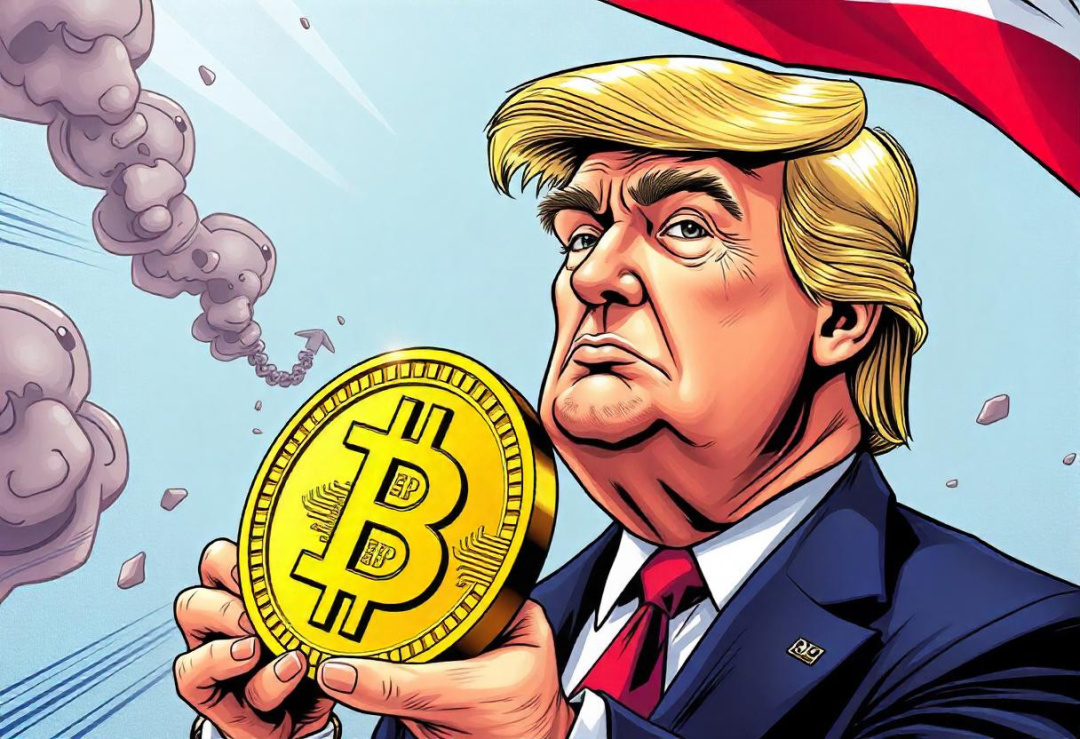
Prediction Markets: The New Bloodsport of Democracy
In a world where betting on the future has become a new spectator sport, prediction markets are emerging as the latest frontier in the brave new realm of capitalist ingenuity. Enthusiasts tout these platforms as the pinnacle of crowdsourced insight, while critics line up to condemn them as the ethical equivalent of a dumpster fire. Yet, one thing is clear: business is booming, and the stakes have never been higher.
Take, for instance, Wealthsimple, which has recently been greenlit to offer its prediction trading service in Canada, despite two in five Canadians reportedly opposing such markets. Wealthsimple Predict will initially focus on economic indicators and climate trends, opting out of the more controversial realms of sports and politics. This cautious approach makes it an anomaly in an industry where the weekly trading volume has already eclipsed the GDP of Latvia, with billions flowing through platforms like Polymarket and Kalshi.
Still Beats Watergate:
Sponsor success. Continue reading:
These platforms are not just a casual hobby for bored bettors; they are serious marketplaces where fortunes hinge on events as grim as geopolitical tensions and the whims of world leaders. Imagine betting on whether Donald Trump will make a third run for the presidency or if a nuclear bomb will drop before 2027. It sounds like a plot twist from a dystopian novel, yet here we are, placing bets on the fate of humanity.
Democratic senator Chris Murphy recently chimed in, labeling this phenomenon as "American commercial immorality on steroids." When life and death become mere commodities, the moral implications are staggering. The backlash is palpable, yet the allure of these markets remains unscathed, with anonymous accounts profiting from war and chaos, much to the dismay of ethical watchdogs.
In this chaotic landscape, users create their own bets on virtually any event—there's no house to set the odds, just a self-generating mess of binary wagers. Enter blockchain technology, a double-edged sword that invites both innovation and an alarming potential for insider trading. Just ask the US special forces soldier who pocketed $410,000 betting on the ousting of Nicolás Maduro, or the Israeli Air Force officer who made a killing by predicting airstrikes with classified intel.
The world of prediction markets is a veritable Wild West where anything goes, including a staggering lack of regulation. While the Commodity Futures Trading Commission oversees these exchanges, the White House has been notably silent on the issue—perhaps due to vested interests from figures like Donald Trump, whose own media empire is cozying up to the prediction market phenomenon.
As states scramble to impose their own regulations—Nevada recently banned Kalshi for illegal sports betting—there's a growing consensus that some events should never become betting fodder. The Project On Government Oversight suggests a framework that could rein in the worst excesses of these markets, including prohibiting elected officials from betting on political events and restricting contracts that counter public interest.
As we hurtle towards a future where even the most catastrophic events are monetized, one thing is certain: a society that puts a price tag on atrocity is not one that values human life. So, as the prediction market trend continues to spiral, we must ask ourselves: what does it mean for the integrity of our democracy when the future is up for grabs? The answer may be more unsettling than we care to admit.