Vance's Bold Plan to Stamp Out Fraud: A Call for Congressional Support
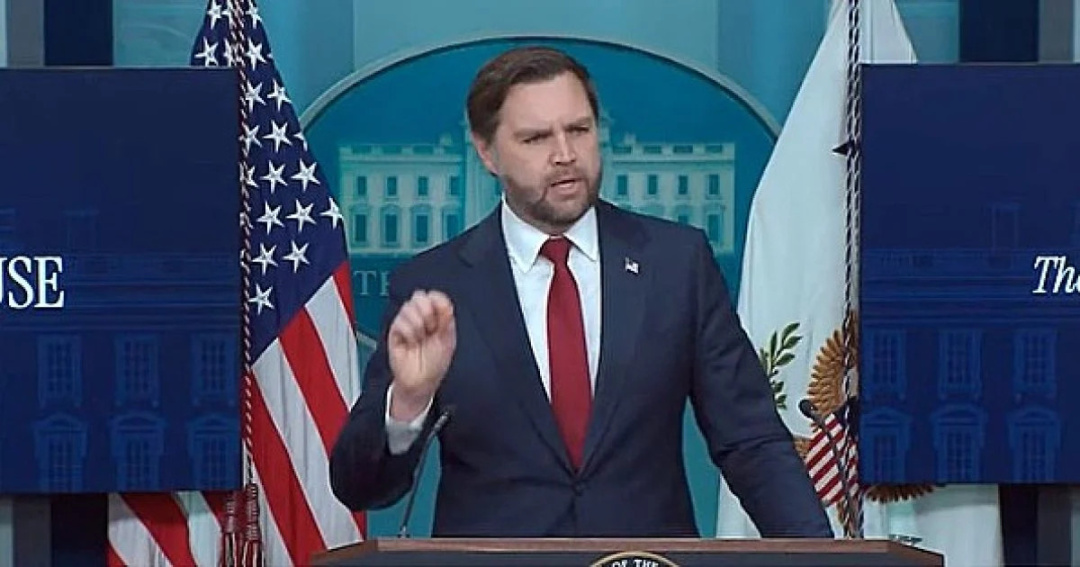
In a move that surely has Congress scrambling to find their pens, Vice President JD Vance has declared war on fraud, rallying lawmakers to join him in his crusade against what he claims is a staggering $230 billion worth of fraudulent activity uncovered since January 2025. Vance, speaking to a crowd of bewildered staffers and reporters, emphasized that this monumental task requires not just his tireless efforts but a full-throttle Congressional intervention.
"There are a few things that we really need to do," he stated, before presumably launching into a lengthy enumeration of highly classified anti-fraud strategies that he couldn’t quite share with the public. The Vice President, donning his metaphorical superhero cape, assured the nation that the fight against fraud is not just a noble endeavor but one that involves serious financial implications for the American taxpayer.
Still Beats Watergate:
Sponsor success. Continue reading:
Sources close to the administration, who requested to remain anonymous in a typical Washington manner, hinted that Vance’s task force has been working diligently to identify the most egregious offenders. These alleged fraudsters are said to be hiding in plain sight, likely behind a wall of paperwork and multiple layers of bureaucratic red tape.
"If we can root out these fraudsters, it will not only save taxpayers a boatload of cash, but it will also restore faith in our government—because nothing says ‘trust us’ like a Vice President leading a task force that somehow finds $230 billion in fraud," Vance quipped, attempting humor while likely missing the mark.
As Vance prepares to take this message to Congress, one can only imagine the flurry of activity that will ensue. Will lawmakers rise to the occasion, or will they be too busy debating the merits of lunch options? Only time will tell.
Meanwhile, the administration is expected to release a PowerPoint presentation that promises to dazzle and confuse, filled with graphs that look suspiciously like they were pulled from a business school textbook. Vance’s allies are optimistic that with the right amount of bureaucratic red tape, they can turn this ambitious initiative into a reality.
In this age of fiscal responsibility, one has to wonder: how much more fraud is lurking behind the curtains of government programs? And more importantly, will Congress heed the call and help Vance finish the job, or will this initiative be lost in the endless abyss of political maneuvering? Only time will tell, but for now, Vance seems ready to tackle the fraudster menace, one bureaucratic memo at a time.