Burrito Prices Spark Gen Z Revolution: Republicans Remain Calm Amid Rising Costs
In a shocking turn of events, the great burrito debate has erupted, sending shockwaves through the halls of power and igniting a firestorm on social media. Young voters, particularly those in Gen Z, have taken to platforms like TikTok and Twitter to voice their outrage over the rising costs of the once-beloved Mexican wrap, now clocking in at a staggering twenty bucks. This culinary crisis has led to heated discussions about 'affordability socialism,' a term that sounds like it was pulled straight from a political think tank’s brainstorming session.
Republicans, sensing an opportunity to downplay the rising ire of the youth, have launched into a well-rehearsed routine. Some have chastised these young consumers for their inability to survive on ramen noodles, a staple that has apparently become a rite of passage for every generation. "Back in my day, we survived on nothing but instant noodles and the kindness of strangers!" they cry, as if nostalgia is a suitable substitute for economic policy.
Still Beats Watergate:
Sponsor success. Continue reading:
Amidst the burrito backlash, the underlying issue is clear: the rising cost of living. For many, grocery bills have become a gut-wrenching reality, prompting spontaneous outbursts in restaurants about the price of avocados. In a recent encounter, a woman lamented her grocery total, prompting nods of agreement from fellow diners—clearly, prices are a topic that resonates deeply with the public.
However, in the grand scheme of political theater, the GOP seems unfazed. They argue that while gas prices may fluctuate and groceries might pinch, the American public will ultimately choose the stability of their policies over the chaos of change. The upcoming midterms are framed as a slow and steady progress versus a radical overhaul of the system, where the latter is painted as a slippery slope towards socialism.
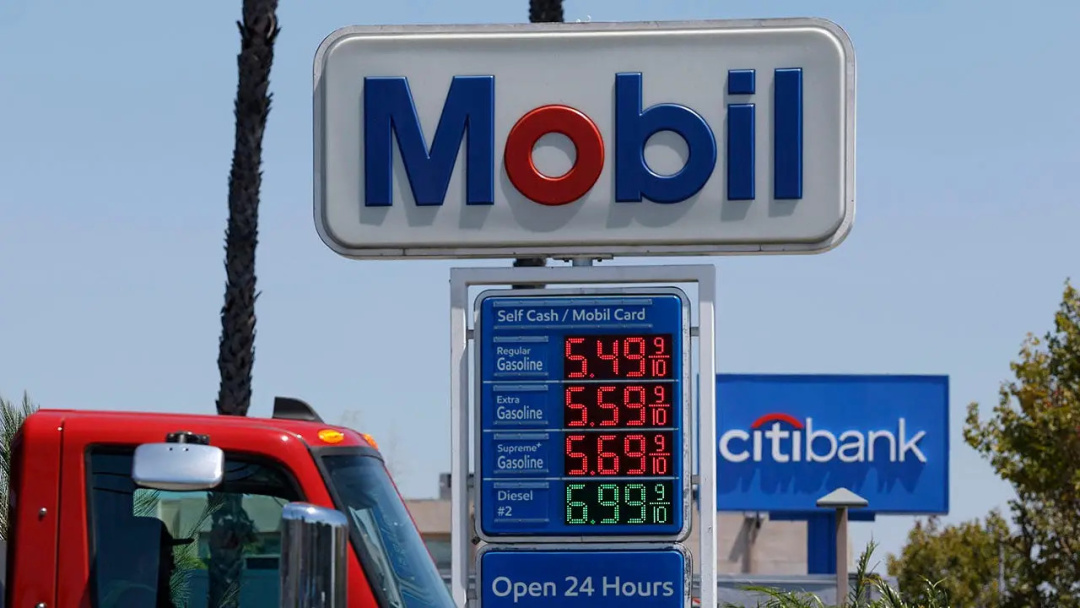
The irony, of course, is that the very issue of affordability, which once was a rallying cry for frustrated voters, may not be the deciding factor they hope. As gas prices dipped from their sky-high peaks, the urgency of the issue diminished, leaving many voters to shrug and accept their fate at the pump. It’s as if the Republicans believe that as long as they keep the burrito prices from spiraling into the stratosphere, they’re golden.
In the end, the 2026 election may boil down to a battle of perceptions rather than economic realities. The GOP is betting that young voters will prioritize their immediate needs and desires over the long-term vision offered by the Democrats, who are seemingly intent on dismantling the very fabric of what it means to have a private health insurance plan.
So as the burrito debate rages on, Republicans remain confident. After all, if they can keep the burrito prices relatively tame while throwing a few bombs at their rivals (figuratively speaking, of course), they’ll likely emerge unscathed come November. It’s a gamble that hinges on the assumption that voters care more about their wallets than their principles—an assumption that might just pay off in the end.