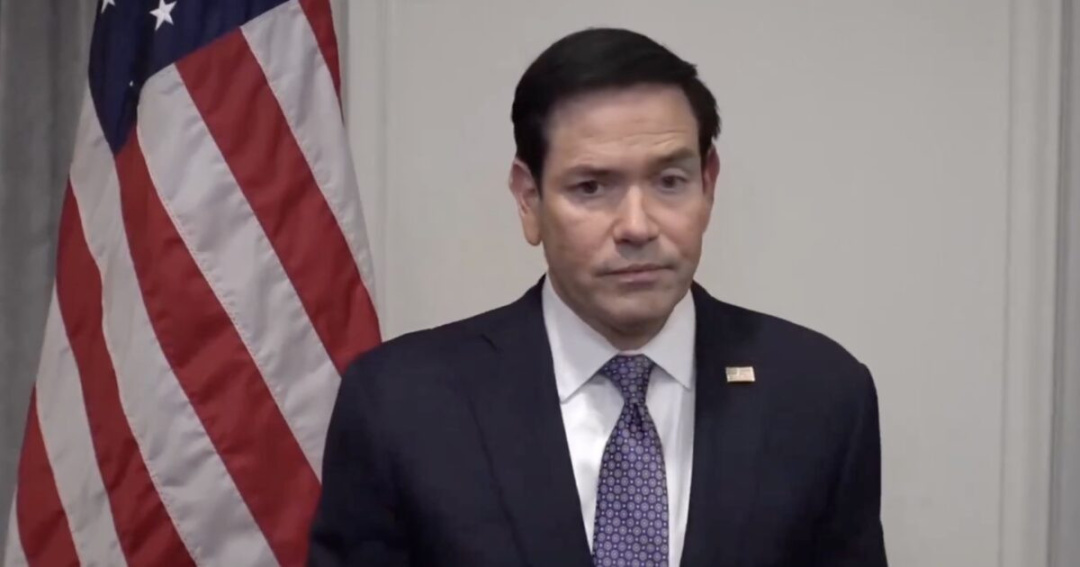
Marco Rubio's Grand Plan to Demolish the ICC: A Brick-by-Brick Comedy
In a recent spectacle befitting a political drama, U.S. Secretary of State Marco Rubio has declared an ambitious plan to dismantle the International Criminal Court (ICC) "brick by brick." This audacious campaign, reminiscent of a child with a sledgehammer in a glass shop, is aimed at what Rubio describes as a court waging war against the United States—not with missiles, but with the dreaded weapon of international law.
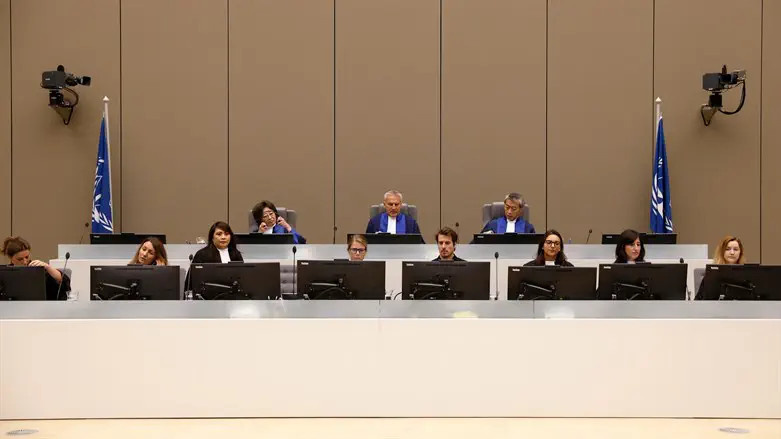
Rubio's resonant call to action has surely struck a chord among those who believe that the ICC has overstepped its bounds by investigating alleged war crimes committed by U.S. forces and even issuing arrest warrants against Israeli officials. Clearly, in Rubio's view, the ICC is the villain in this narrative, a misguided entity that must be taken down to restore order in the world of international relations.
Still Beats Watergate:
Sponsor success. Continue reading:
The backdrop of this drama is set against the Trump administration's prior hostilities toward the ICC, characterized by sanctions against its officials and a general disdain for any institution that dares to question American actions abroad. After all, who needs a court when you can just declare yourself above international accountability?
In a particularly theatrical twist, the ICC has also issued arrest warrants for Hamas leaders, a move that, while appearing even-handed, has drawn criticism for equating those responsible for terrorist acts with their government adversaries. This apparent attempt at balance is exactly what Rubio and his supporters view as the ICC's greatest folly—an entity caught in a web of hypocrisy, attempting to play both sides while failing to grasp the complexities of the geopolitical landscape.
The plot thickens with the recent departure of ICC chief prosecutor Karim Khan, who has faced allegations of misconduct that have cast a shadow over the court's integrity. It seems that in the world of international justice, the only thing more questionable than the court's authority is the character of those who run it. Perhaps this is why Rubio believes he can rally the troops against such a dubious institution.
Looking back at the ICC's history, it becomes clear that it has not been without its scandals. Previous prosecutors have faced their own allegations, leading to a general sense of mistrust regarding the court's operations. With Rubio's campaign, one can't help but wonder if he is attempting to turn the ICC into a punchline for political jokes, a caricature of legal overreach that can be easily mocked.
As Rubio and his supporters gear up for this grand dismantling, one has to ask: what comes next? Will there be a reality show where politicians compete to see who can best take apart international institutions? Or perhaps a new cabinet position focused solely on the destruction of treaties? Whatever the outcome, this latest political theater is sure to provide plenty of material for future satire.