Canadians Overwhelmingly Support Keeping Trans Mountain Pipeline—What Could Go Wrong?
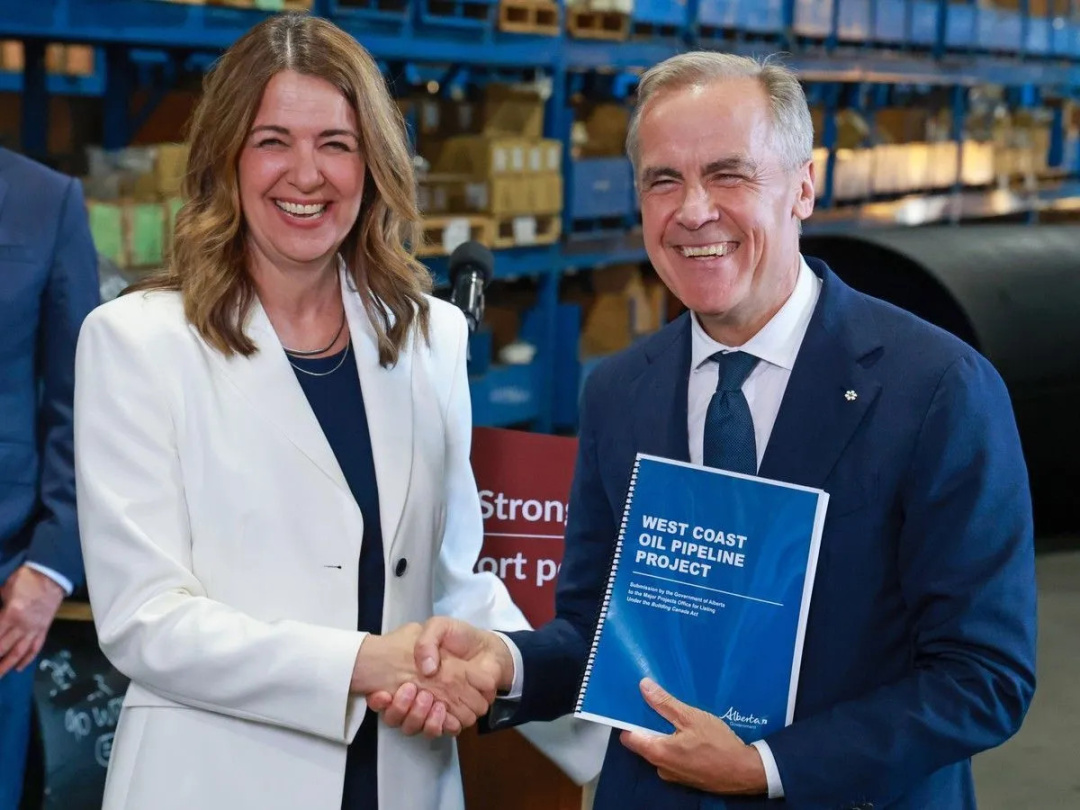
In an astonishing display of faith in government competence, a recent poll has shown that an overwhelming number of Canadians believe the federal government should retain ownership of the Trans Mountain pipeline. Yes, that’s right—while many might consider selling a money pit an obvious choice, Canadians have rallied around the notion that keeping a $4.5 billion investment, which has somehow ballooned to a projected $34 billion liability, is the way to go.
The rationale behind this collective decision seems rooted in a sincere belief that the government knows what it’s doing with their tax dollars. After all, the logic goes, if they can mismanage a pipeline, surely they could manage it better if they just held onto it a little longer. What could possibly go wrong with a never-ending saga of cost overruns and regulatory nightmares?
Still Beats Watergate:
Sponsor success. Continue reading:
The prime minister, in a move that can only be described as visionary, has expressed a keen interest in continuing to own the pipeline, despite previous assurances that they wouldn’t be the long-term owners. It’s refreshing to see such consistency in governmental messaging—one might even say it’s a hallmark of the current administration. Who needs to sell something that’s a financial black hole when you can simply lower the expectations of what constitutes a sound investment?
What’s next for the government’s financial strategy? A new campaign slogan perhaps: "Trans Mountain: Because Who Doesn’t Love a $34 Billion Headache?" This catchy phrase could easily replace the now-dated promise of transparency and fiscal responsibility. In fact, it could become a rallying cry for the next election cycle.
While Canadians are clearly on board with the idea of holding onto this financial sinkhole, one can’t help but wonder if they’ve considered the implications of a government that perpetually holds onto losing propositions. With every passing day, it becomes abundantly clear that the government’s grasp on financial management is as slippery as the oil it’s transporting.
So, as the government prepares to keep the Trans Mountain pipeline firmly in its grasp, one can only imagine the future press releases: “We’re not just holding onto this pipeline, we’re embracing it!” Perhaps next, the government will introduce a new initiative focusing on the emotional bonds formed with inanimate objects—because if there’s one thing that’s true, it’s that sentimentality has always been a sound basis for substantial investments in infrastructure.
In summary, the Canadian public’s determination to keep the Trans Mountain pipeline reflects a deep-seated belief in the government’s ability to turn a colossal mistake into a long-term strategy. If only there were a way to bottle that optimism and sell it—oh wait, that’s already what’s happening with the pipeline itself!