Trump and Warsh: A Fed Romance for the Ages
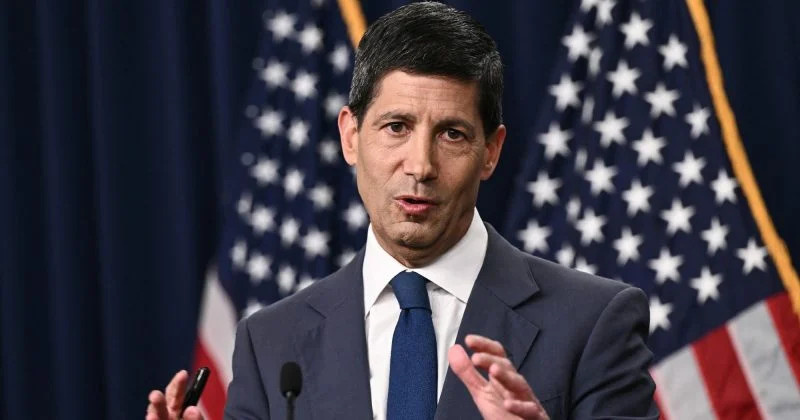
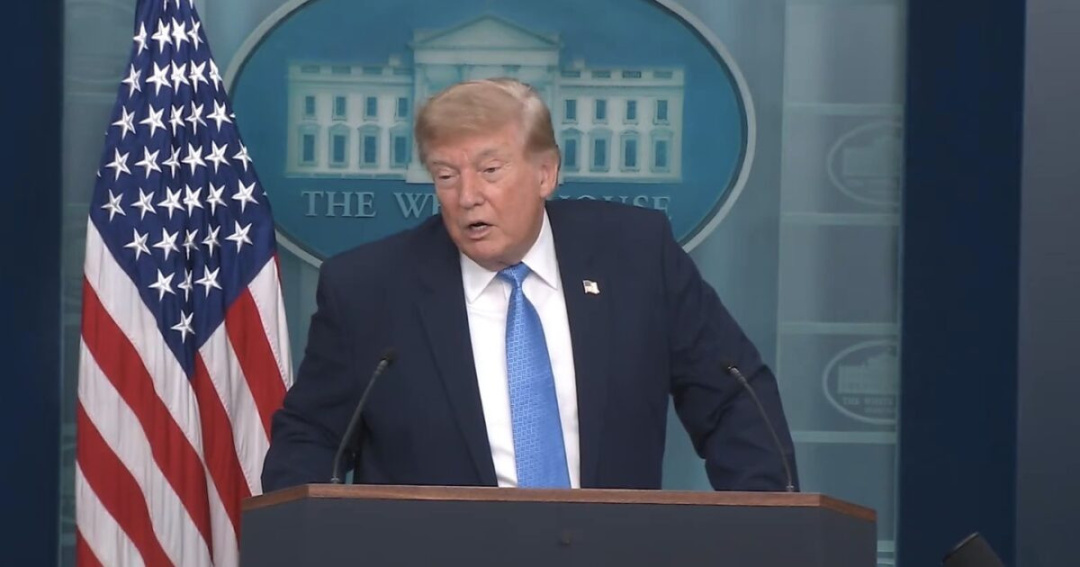
In a shocking development that has left economic theorists and casual observers alike with their jaws agape, President Trump has reportedly taken to calling Federal Reserve Chair Kevin Warsh as if he were a long-lost best friend. This unprecedented move has sparked a wave of speculation regarding the independence of the Federal Reserve, with many wondering if Warsh is merely a puppet on a golden string, dancing to the whims of a president who has made no secret of his love for low interest rates and inflated egos.
Warsh, who stepped into the Fed's top position after Trump deftly replaced Jerome Powell, is now under the spotlight as he juggles the dual roles of central bank chair and presidential confidant. While Trump has lauded Warsh as a “fantastic” and “brilliant guy,” insiders whisper that the reality is more akin to a telenovela than a straightforward economic dialogue. After all, what better way to discuss fiscal policy than through a series of late-night phone calls that make you wonder if they’re plotting a heist or simply trying to keep interest rates lower than the bar at a college party?
Still Beats Watergate:
Sponsor success. Continue reading:
Despite Trump’s insistence that he supports Warsh’s independence, the frequency of their chats suggests that the Fed chair might be getting more than just a casual nudge toward the president's agenda. In a world where economic decisions are now made through a series of increasingly awkward phone calls, one has to wonder how long Warsh can maintain the delicate balance of central bank autonomy while fielding calls from a president who has a penchant for instant gratification.
Warsh’s own cryptocurrency portfolio—featuring over 30 digital assets—adds another layer of intrigue to this burgeoning relationship. For a Fed chair, that’s like wearing a neon sign that says, “Hey, I’m not just about the dollars; I’m also into that Bitcoin bling.” With Warsh calling Bitcoin an “important asset,” it seems he’s not just toeing the line of monetary policy but is also ready to leap into the digital deep end with the president cheering him on from the sidelines.
As the duo navigates these treacherous waters, the question remains: will Warsh hold steady against the inevitable pressure that comes with a Trump phone call when economic indicators start flashing red? The answer may depend on whether he can channel his inner calm amid the chaos, or if he’ll be swept away by the tide of presidential persuasion.
In the end, as Trump and Warsh embark on this unique partnership, it’s clear that the Federal Reserve is not just a bastion of economic stability; it’s evolving into the latest reality show of our times, complete with plot twists, dramatic phone calls, and enough intrigue to keep even the most jaded of political observers glued to their screens. So, grab your popcorn, folks; this is going to be one wild ride in the world of monetary policy and beyond.