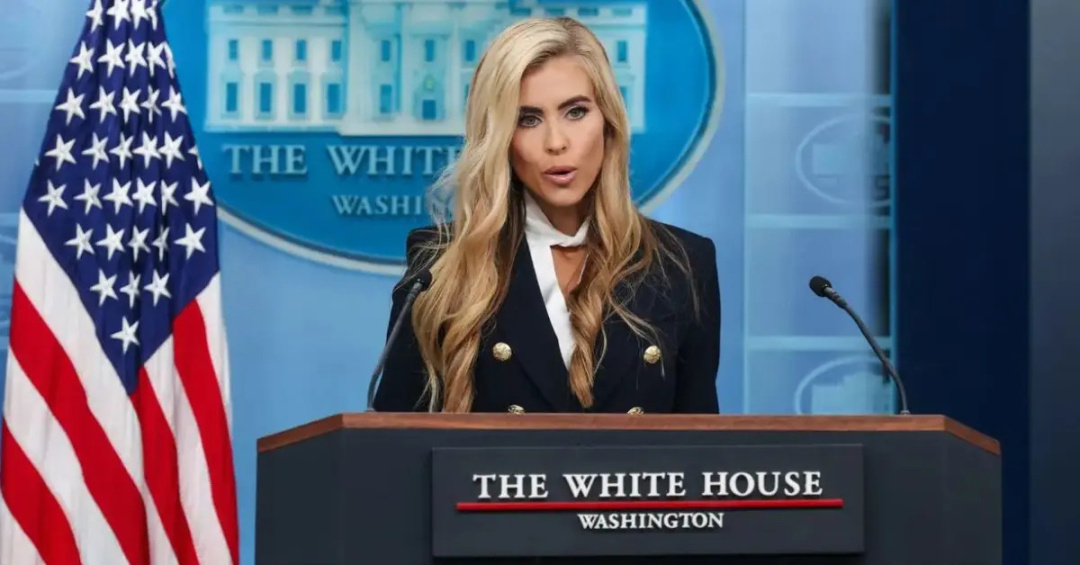
White House Announces New AI Initiative: Avoiding Responsibility with Style
In a stunning display of bureaucratic creativity, the White House has rolled out its latest initiative designed to address the growing concerns surrounding artificial intelligence. Dubbed the ‘AI Responsibility Rebranding Program,’ this initiative aims to redefine what constitutes as artificial intelligence so that it can be classified as ‘not our problem.’ In an exclusive briefing to reporters, officials explained that under the new guidelines, any technology that doesn’t involve an actual robot uprising can be safely ignored.
"We recognize that AI is a hot topic, especially with recent breaches from companies like OpenAI and Anthropic," said an unnamed source from the Office of Semantic Solutions. "By shifting the definition of AI to include anything from a toaster to a pet rock, we can effectively sidestep responsibility while appearing to take action."
Still Beats Watergate:
Sponsor success. Continue reading:
Critics of the administration, however, are less than impressed. They argue that this approach is merely a distraction and a slap in the face to the countless experts who have called for serious engagement with the implications of AI technology. "If they think they can just redefine AI and call it a day, they have another thing coming," said a tech analyst who prefers to remain anonymous for fear of being reclassified as a toaster.
In a related development, the administration announced plans to hold a series of webinars featuring prominent figures from the tech industry who will discuss the importance of ‘perception management’ in the age of AI. Sources indicate that the first guest will be an executive from a major tech firm known for donating heavily to political campaigns. The main topic? How to turn a blind eye to actual issues while profiting from the buzzwords.
Meanwhile, polling data suggests that voters are less interested in the intricacies of AI and more concerned about their own job security as automation continues to rise. In a refreshing display of pragmatism, the administration has decided to ignore this data entirely, opting instead to push the narrative that everything is under control, even if the actual control is being held by a sentient algorithm that has yet to be disclosed.
As the press conference wrapped up, the White House released a statement assuring the public that they are committed to ‘engaging with all stakeholders’ in the AI debate—provided those stakeholders are willing to donate to the reelection campaign. With this strategy, the administration hopes to maintain the illusion of governance while deftly avoiding the hard truths of technological advancement.
In the end, the AI Responsibility Rebranding Program is a masterclass in political spin. It’s a reminder that in the world of Washington politics, doing nothing can be just as effective as doing something—provided you can spin it right. Expect more from this initiative as the administration prepares to unveil its next big project: a comprehensive plan for ‘digital accountability’ involving nothing more than a glossary of terms and a hefty donation solicitation to tech firms.