State Subsidies: The New Political Currency for Defense Startups
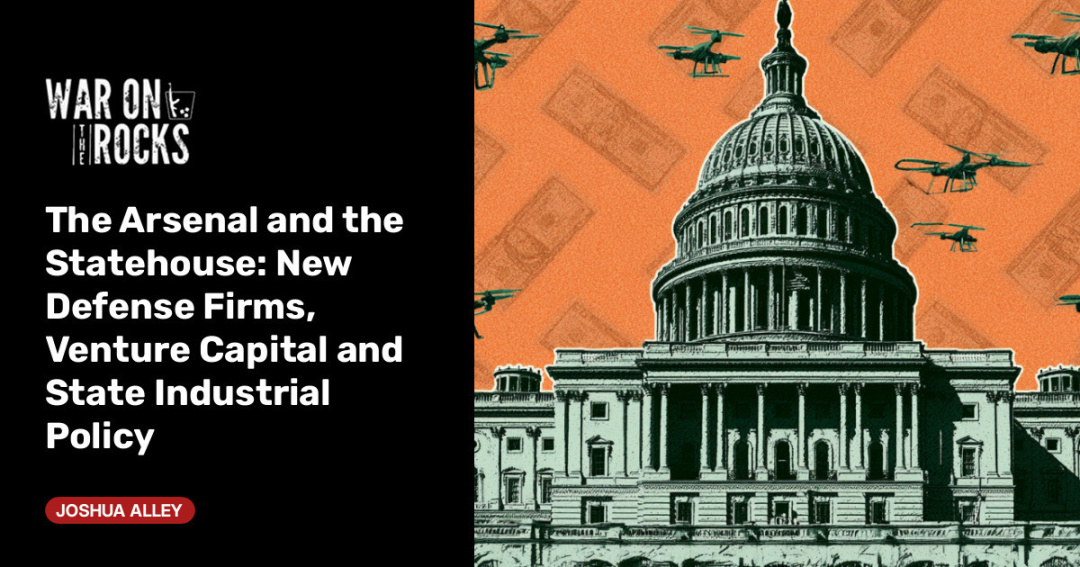
In a groundbreaking move that has sent shockwaves through the political landscape, the White House has unveiled its latest initiative: a new policy that mandates state subsidies as the primary method for securing defense contracts. This policy, dubbed "Operation Subsidy Surge," is designed to ensure that every state gets a piece of the military pie while allowing governors to bask in the glow of job creation, even if those jobs are as real as a unicorn in a Pentagon briefing room.
Internal memos reveal that this initiative was inspired by the extraordinary success of new defense firms like Anduril, which recently announced plans for a $910 million drone production facility in Ohio, funded primarily by state subsidies. Ohio Governor Mike DeWine took center stage, thanking himself profusely for the opportunity to turn taxpayer dollars into political capital. Meanwhile, local Congressperson Mike Carey, despite having a strong urge to take credit, found himself uncharacteristically silent, likely overwhelmed by the sheer magnitude of subsidy-fueled gratitude flooding the statehouse.
Still Beats Watergate:
Sponsor success. Continue reading:
The administration has even gone so far as to issue a guidebook titled "How to Politicize Defense Subsidies: A Step-by-Step Guide for Ambitious Governors and Aspiring Congresspeople." This manual outlines the delicate art of leveraging state funds to ensure that new firms don’t just survive but thrive in a landscape where failure rates hover around 75 percent. This strategic shift is seen as a win-win: states get to show off their shiny new facilities, while defense startups get to play with taxpayer-funded toys.
However, the implications of this initiative are anything but straightforward. The new policy raises a host of questions about accountability and transparency. With state development agencies engaging in negotiations under the cover of obscurity, the only certainty is that taxpayers may end up footing the bill for programs that, much like an undercooked meatloaf, simply do not deliver. The risk of states investing in unproven capabilities is akin to betting all your savings on a three-legged racehorse.
In an effort to mitigate the brewing storm of political pushback, the administration is reportedly considering the establishment of a "Defense Subsidy Marketplace," where states can compete to offer the most attractive subsidy packages. This marketplace, described in hushed tones as "the Hunger Games of defense funding," would allow governors to bid against one another, ensuring that the most generous offers win the day. The idea is that if one state offers $100 million in tax credits, another might feel compelled to up the ante with $150 million, leading to a bidding war that could make even Wall Street bankers blush.
Meanwhile, the prospect of a Congressional review process for defense programs has been likened to a trip to the dentist: necessary but thoroughly unpleasant. With a process reminiscent of the Base Realignment and Closure Act, Congress will be tasked with determining which subsidized facilities deserve to be saved and which should be ceremoniously sent to the scrap heap of history.
As new defense firms become increasingly entwined with state governments, the lines between innovation and political maneuvering blur. With state politicians eager to showcase their prowess in job creation, the defense industrial base risks becoming a convoluted maze of outdated programs shielded by political pressure. In this brave new world of defense contracting, the only guarantee is that if a company is lucky enough to snag those sweet state subsidies, it will be greeted with open arms by Congress, even if their actual products are about as useful as a chocolate teapot.
As we plunge headfirst into this new era of defense funding, one thing remains certain: the race to the bottom in state subsidies will only accelerate, leaving taxpayers wondering how they ended up funding a military-industrial complex that resembles a circus more than a serious national defense strategy. And if anyone dares to question the wisdom of this approach, just remember: it's all about securing the political future—one subsidy at a time.