Corporate Backers Left Stunned as McKinney Upsets Thanedar in Michigan Primary
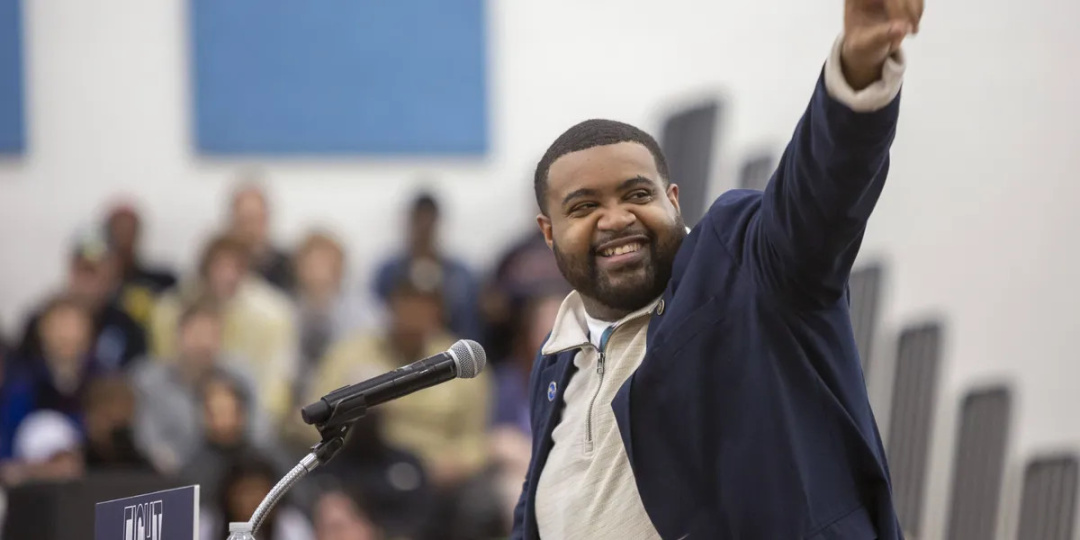
In a stunning display of electoral audacity, Michigan state Representative Donavan McKinney has emerged victorious over the corporate titan Shri Thanedar in the Democratic primary for the 13th Congressional District. Political pundits and corporate donors alike are now faced with the stark realization that their influence might not be as omnipotent as they once believed. This shocking defeat has sent shockwaves through the halls of power, leading many to question the very foundation of campaign financing and the role of corporate money in politics.
Reports indicate that Thanedar's campaign was heavily funded by a mysterious pool of corporate cash, which, according to insiders, was intended to sweep away any potential challengers like McKinney with the ease of a broom. However, in a plot twist worthy of a political thriller, the working-class champion McKinney rallied the grassroots forces, igniting a fervor that seemed impervious to the seductive charms of corporate dollars. Perhaps voters finally concluded that a candidate who regularly dines with CEOs might not have their best interests at heart, opting instead for someone who remembers what it’s like to choose between rent and groceries.
Still Beats Watergate:
Sponsor success. Continue reading:
While the political elite scramble to decipher this electoral enigma, the McKinney campaign has capitalized on the perception that Thanedar's corporate ties have made him the quintessential outsider—an insider. This juxtaposition has been generously painted across campaign ads, featuring McKinney shaking hands with everyday citizens, proudly showing off his working-class roots, while Thanedar appears in shadowy back rooms, likely discussing the next big merger over gluten-free artisanal muffins.
Political strategists are now hurriedly drafting memos on how to mitigate damage from this upset. The Office of Corporate Affairs is reportedly developing a rapid-response plan that includes a rebranding initiative, a new slogan—"We Hear You, Unless You’re Not a Shareholder"—and an emergency fund for future campaigns aimed at regaining favor with the average voter.
As the dust settles in Michigan, analysts are pouring over polling data and exit interviews, searching for clues as to how McKinney managed to best a candidate with such deep corporate connections. Could it be that the electorate was simply tired of being treated like a line item in a corporate budget? Or perhaps they yearned for a representative who isn’t just another cog in the political machine, but someone who understands their daily struggles? Whatever the reasons, this primary is likely to spark a cascade of similar upsets across the nation, igniting a movement that could challenge the very fabric of corporate influence in politics.
With McKinney's victory, the establishment is left reeling, and the message is clear: the days of corporate puppets pulling at the strings of democracy may soon be numbered. As we look ahead to the general election, one thing is certain—watching the traditional power brokers scramble for relevance will be the political theater we never knew we needed. And perhaps, just perhaps, the tide is turning back towards the people, one grassroots campaign at a time.