EU Migration Policy: A Comedy of Errors at the Border
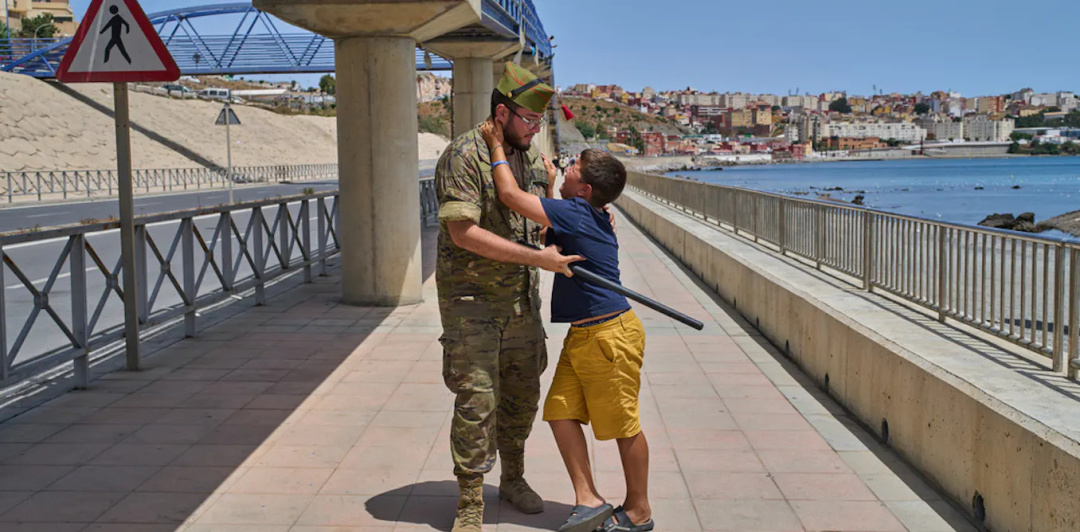
In an extraordinary display of bureaucratic slapstick, European leaders convened an emergency summit on August 4, 2026, to address the latest migration chaos stemming from the small Spanish enclave of Ceuta. Approximately 70,000 hopeful migrants crossed from Morocco, spurred on by a cocktail of misinformation, social media hype, and the promise of a better life, leaving behind a trail of bureaucratic flailing that would make even the most seasoned circus performer blush.
Spanish Prime Minister Pedro Sánchez was quick to blame the surge on nefarious trafficking groups spreading rumors about a Supreme Court decision, which, in a bizarre twist of legal logic, suggested that if you swim to shore, you can't be pushed back. This prompted an immediate response: a floating wall to extend Ceuta’s border fence into the Mediterranean, because if you can’t keep them out on land, why not take the absurdity to the high seas?
Still Beats Watergate:
Sponsor success. Continue reading:
As the EU leaders gathered, heads were shaken, fingers were pointed, and the usual suspects of finger-pointing—Hungary, Poland, and the Czech Republic—emerged early on, each vowing to outdo the other in calls for stricter border security. After all, nothing says “welcome” like a good border check, especially when Spain and Italy don’t even share a land border.
Meanwhile, the European Commission, in a stroke of bureaucratic genius, promised to double down on funding for border security while simultaneously ignoring the underlying economic disparities that provoke such migrations. It’s as if they believe a bigger budget for fences will magically cause the root causes of migration to vanish. Spoiler alert: it won’t.
The recent crisis echoes the 2015 migration debacle, where EU leaders held endless summits, each promising to coordinate a coherent response, only to leave the stage with a cacophony of conflicting policies and a collective amnesia about the need for actual solutions. The EU Pact on Migration and Asylum, which rolled out just last month, emphasizes faster deportations and fewer rights for asylum-seekers—because nothing says compassion like a swift exit ticket.
Italy’s right-wing Prime Minister Giorgia Meloni seized the moment to declare that “uncontrolled illegal immigration poses a real threat.” This fiery rhetoric stoked the flames of panic, leading to calls for Spain’s suspension from the Schengen zone, a move that would surely go down in history as a masterclass in strategic self-sabotage.
As borders tighten and bureaucratic measures multiply, the irony is palpable. EU nations pour billions into border management while simultaneously ignoring the realities that drive people to migrate. The result? More chaos, more confusion, and a comedy of errors that could fill an entire season of political satire. As long as Europe clings to its outdated models of migration management, it will continue to find itself caught in a cycle of absurdity, where the only real policy is the one that keeps the laughter going.