CDC Welcomes New Director: Third Time's the Charm for Political Roulette
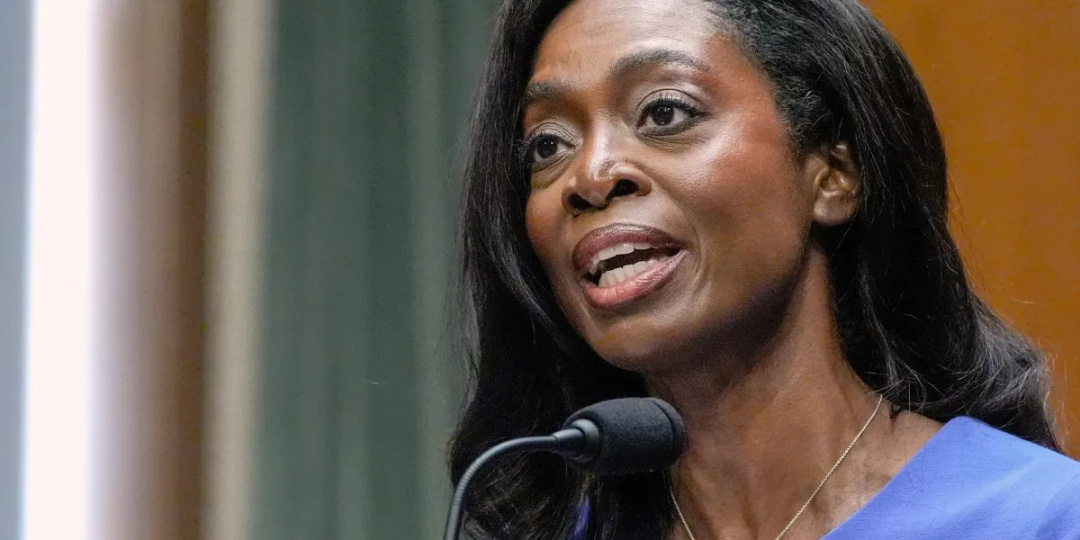
In a move that could only be described as the Senate playing a game of political musical chairs, Dr. Erica Schwartz has finally secured the coveted title of CDC director after a staggering three nominations. It appears that the Senate has decided that the third time is indeed the charm, or at least the least embarrassing option available. After a series of unceremonious rejections, Schwartz’s ascension signals a new era of strategic patience and bureaucratic endurance in the face of overwhelming odds.
As she takes the helm of an agency that has been caught in the crossfire of political debates and public health crises, Schwartz seems poised to navigate the turbulent waters left by her predecessors. One can only imagine the internal dialogue at the CDC as teams of public health professionals, weary from the whiplash of political interference, clutched their coffee cups and braced for yet another series of policy reversals. Now, they’ll be greeted by the fresh optimism of a newcomer who has been thoroughly vetted, at least three times over.
Still Beats Watergate:
Sponsor success. Continue reading:
In her first official act, Schwartz is expected to outline a comprehensive plan to address the agency's recent public relations debacles while simultaneously trying to maintain the trust of the American public. This will undoubtedly include a robust strategy for managing misinformation, much of which can be traced back to the executive branch’s own attempts to downplay various health issues. Perhaps a slogan like ‘Trust Us, We Swear We’re Not Just Here for the Photo Ops’ would resonate well with the masses.
The confirmation process itself was nothing short of a riveting political theater, with Senators engaging in classic performances of approval and disapproval. Schwartz’s ability to endure this gauntlet speaks to her resilience, or perhaps her knack for playing political chess with a side of bureaucratic diplomacy. It remains unclear whether her acceptance speech will include a heartfelt tribute to her predecessors or a brief acknowledgment of the emotional toll that comes with attempting to lead a public health agency under constant scrutiny.
Although Schwartz is stepping into a role fraught with challenges, she possesses an impressive resume that may just help her navigate the minefield of public expectations and political agendas. However, as the agency continues to combat the aftershocks of the previous administration’s health policies, Schwartz may find that her biggest challenge will not be the science, but rather the art of managing the whims of elected officials who seem to prefer headlines over health outcomes.
Only time will tell if Dr. Schwartz will be able to break the cycle of revolving nominees and establish a legacy at the CDC. For now, she can celebrate her confirmation, relishing the fact that she is the last one standing in a game of bureaucratic dodgeball. With any luck, she’ll be able to turn the agency’s fortunes around and perhaps even make a name for herself beyond the realm of political roulette. Let’s hope the CDC doesn’t end up needing a fourth nominee anytime soon.