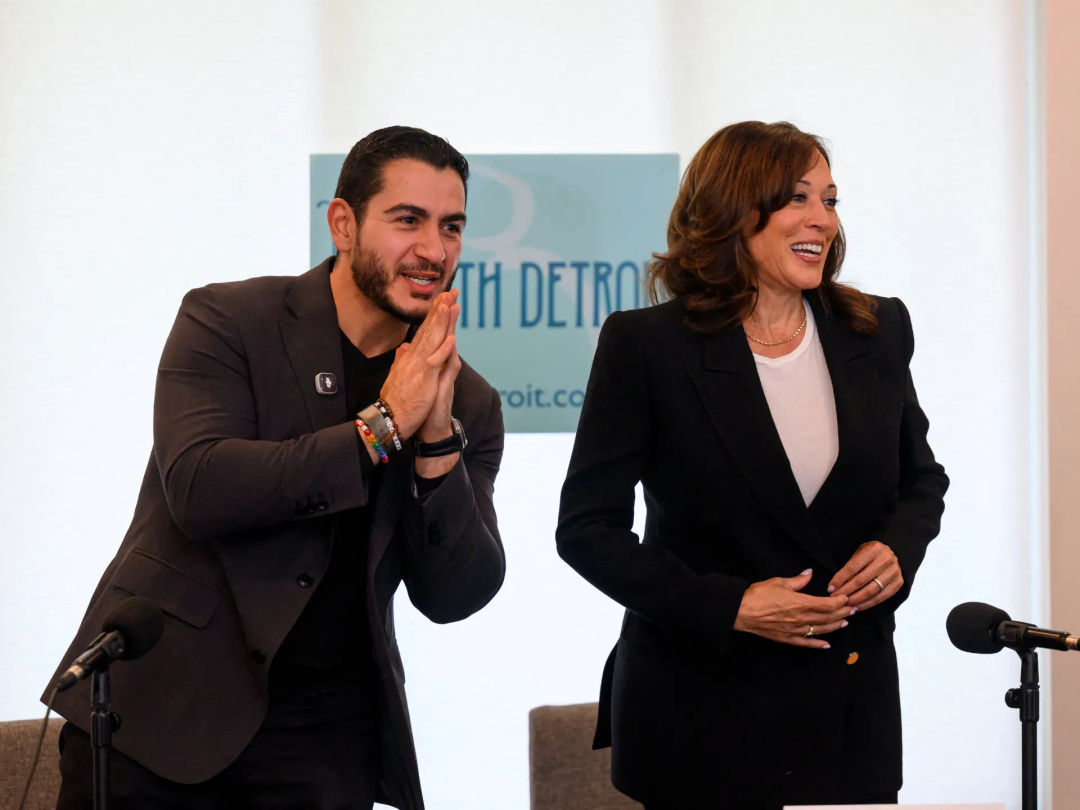
Michigan Primary Results: Democrats Hit the Panic Button Over El-Sayed's Win
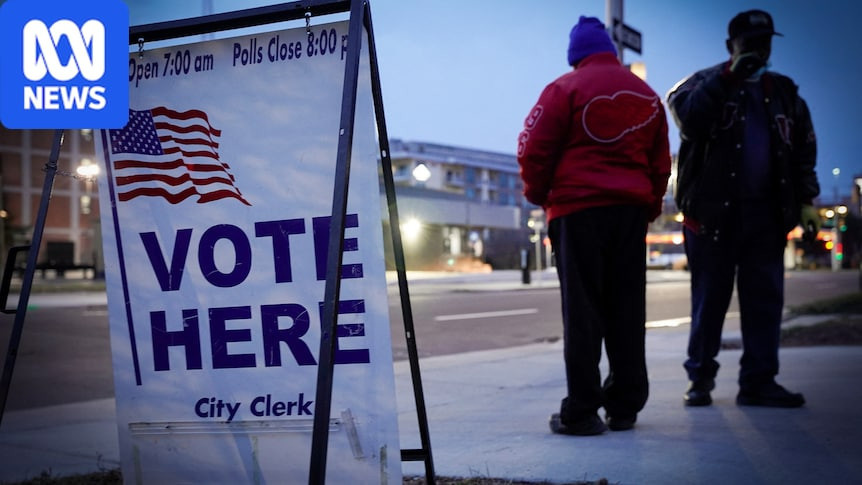
In a stunning twist that left the Democratic Party clutching its pearls, Abdul El-Sayed has emerged victorious over Haley Stevens in the Michigan primary, igniting a frenzy of panic among the party elite. As the establishment scrambles to formulate a plan that doesn’t involve admitting they might have been wrong about everything, El-Sayed’s win is being heralded as a potential harbinger of change—much to the chagrin of those who prefer their candidates well-seasoned in the art of political blandness.
Sources close to the inner workings of the party have reportedly convened an emergency meeting dubbed "Crisis Management for the Clueless," where they will brainstorm ways to pivot from their longstanding strategy of ignoring the progressive wing. This includes drafting new slogans that could resonate more with voters besides the timeworn "We're not Trump!" How about, "We’re not Trump, but we still love our corporate donors!"? It’s a work in progress.
Still Beats Watergate:
Sponsor success. Continue reading:
Meanwhile, campaign strategists have been instructed to come up with a list of talking points that will both acknowledge El-Sayed’s victory and simultaneously downplay its significance. Rumor has it that the phrase "anomaly in a sea of mediocrity" is being pushed as a potential lead-in for future press releases. The party’s messaging team is also working on a revised version of their mantra: "The future is progressive, but let’s not get carried away."
In the aftermath of the primary, party insiders are reportedly drafting internal memos on how to contend with a burgeoning grassroots movement that seems bent on shaking the foundations of their carefully constructed power structure. Suggestions include a comprehensive guide on how to engage with actual voters without sounding like a robot programmed to recite focus-group-approved clichés.
Observers speculate that the Democratic establishment is preparing a public relations blitz aimed at convincing voters that they, too, can be progressive—without actually having to, you know, change anything. This may involve a series of town halls where party leaders will sit in a circle, sip herbal tea, and discuss their feelings about climate change while deftly avoiding any concrete policy proposals.
As the midterms loom ominously on the horizon, the party’s leadership is faced with the daunting task of not only addressing the progressive wave but also of figuring out how to do so while still keeping their corporate sponsors happy. It’s a delicate balancing act, akin to walking a tightrope while juggling flaming torches and reciting the party platform.
With El-Sayed’s victory, the Democratic Party has been thrust into a narrative they didn't want but desperately needed. As they grapple with this new reality, one thing is clear: the future of the party may just hinge on their ability to adapt—or at the very least, to pretend they’re adapting while quietly retreating to their comfort zone.