Infantino's Job in Jeopardy: A Case Study in Executive Overreach
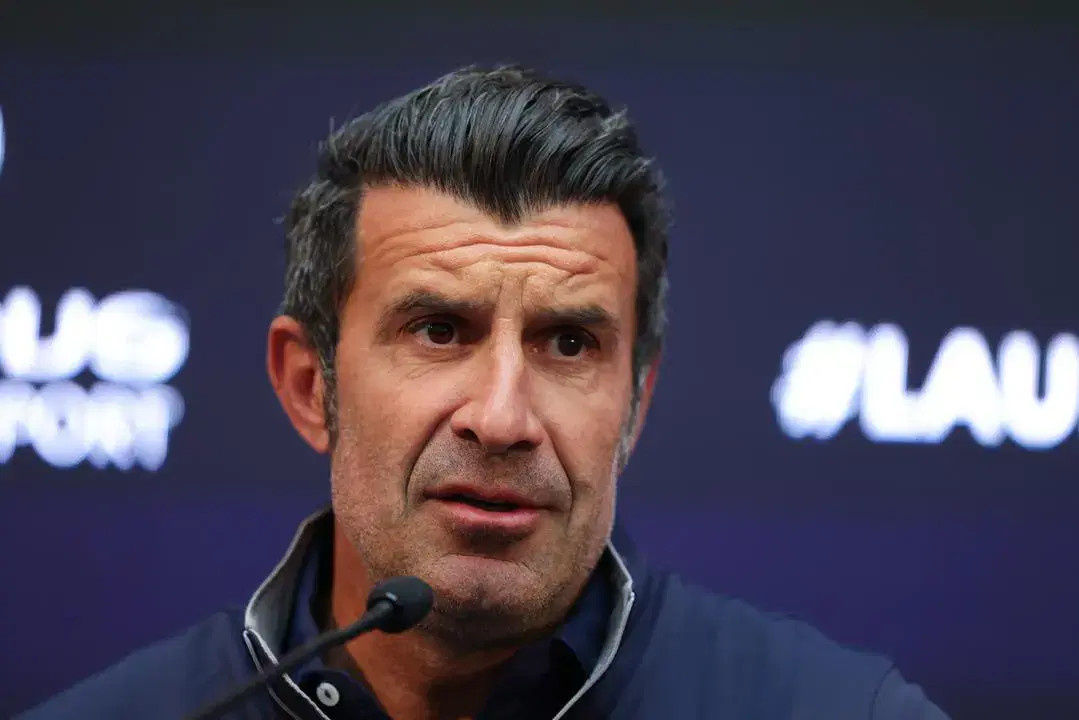
In a world where self-interest often trumps the common good, Gianni Infantino has managed to outdo even the most ambitious bureaucratic villains with his latest scheme to sell off World Cup stakes to private equity investors. Meanwhile, former football superstar Luis Figo has taken it upon himself to serve as the moral compass of the football world, demanding Infantino’s resignation and sparking a wave of criticism that might just topple the FIFA president from his gilded throne.
Infantino, who appears to have mistaken the World Cup for a stock portfolio, was recently seen attempting to defend his questionable business strategy, which he claimed would increase revenue for FIFA member nations. In a move reminiscent of a teenage trying to sneak out of the house, he rushed the proposal without so much as a nod to the Football Associations around the globe. Instead, he faced a fierce backlash from many, including three continental confederations who surprisingly weren’t keen on the idea of their beloved tournament becoming a playground for private investors.
Still Beats Watergate:
Sponsor success. Continue reading:
The irony is not lost on anyone as Infantino, in an effort to win back favor, was spotted holding emergency talks with FIFA directors in Morocco, as if discussing the latest episode of a reality TV show instead of the future of global football. One can only imagine the script: “Will Infantino save his job, or will he be voted off the island?” Spoiler alert: Figo, who has aptly labeled Infantino as “deceitful,” is rooting for the latter.
Figo’s denunciation of Infantino’s tactics reads like a playbook for how not to lead. He asserts that the FIFA president has “debased the office” he promised to elevate, and if that’s not a euphemism for a complete dumpster fire, what is? It seems that Infantino’s reign has been marked by more deceit than a politician in a campaign season, as he stands accused of prioritizing his own enrichment over the very sport he is supposed to serve.
As Figo eloquently stated, it’s a shame Infantino has lost the support of his closest advisers and senior staff, which might be the only clear indication that he’s running a failing operation. It’s as if he’s trying to host a party while the guests are filing out the door, shaking their heads in disbelief at the proposed hors d'oeuvres. His attempt to increase the frequency of the World Cup to every two years falls flat as just another desperate move to regain control of a narrative that’s slipping through his fingers.
In what can only be described as a bold yet misguided assertion, Infantino believes he can salvage his dignity. However, Figo’s demand for immediate resignation suggests that it might already be too late. The football community is watching, popcorn in hand, waiting to see if the drama unfolds into a glorious ousting or merely fizzles out into another chapter of FIFA’s tangled web of bureaucracy. Either way, one thing is clear: the world of sports governance has never been more entertaining, and Infantino is the star of the show.