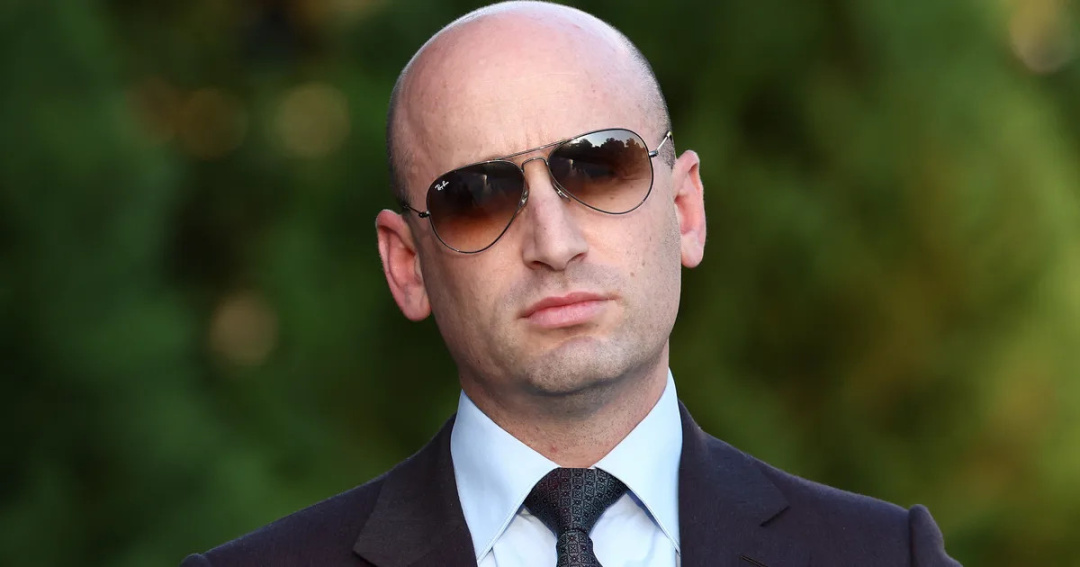
White House Announces New Strategy: Fabricated Diplomacy and Actual Depletion
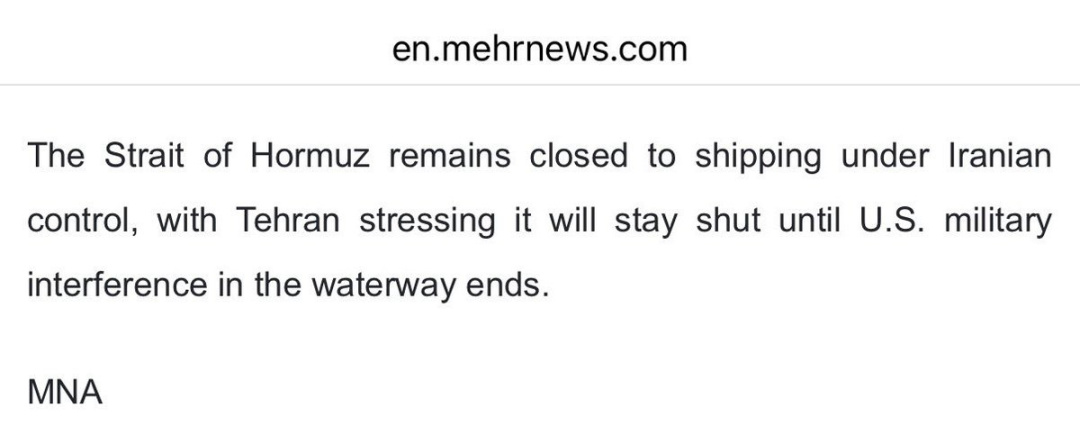
In an unprecedented move, the White House has launched its latest initiative under the banner of "Fabricated Diplomacy and Actual Depletion," a strategy aimed at redefining how the U.S. interacts on the international stage. This innovative approach combines the art of announcing nonexistent diplomatic breakthroughs with the practical magic of depleting military resources faster than ever before. Officials have embraced this dual strategy with the enthusiasm of a toddler in a candy store, insisting that the public will love the taste of sugar-coated reality.
At a press briefing that can only be described as theatrical, press secretary Jen Psaki took to the podium, flanked by charts showing the depletion of military resources and optimistic graphics depicting imaginary negotiations. "We’re not just talking the talk; we’re depleting the stock!" she declared, gesturing dramatically to a PowerPoint slide featuring a cartoonish depiction of a U.S. soldier waving goodbye to a pile of arms and munitions. "This is a new era of transparency in diplomacy—if we say it’s happening, it’s practically true!"
Still Beats Watergate:
Sponsor success. Continue reading:
In an effort to further convince skeptical observers, the administration has developed a series of talking points designed to clarify the confusion surrounding this new strategy. One key point emphasizes that while actual negotiations may be nonexistent, the mere announcement of them creates a buzz that is far more valuable than any tangible results. "Think of it as a placebo effect for international relations," said a senior advisor who preferred to remain anonymous, fearing the wrath of rationality. "If we can make people believe something is happening, it might as well be real, right?"
Critics, however, have raised concerns that such a strategy could lead to serious consequences, including being caught in a web of misinformation. In response, the administration has reassured the public that the focus will remain on the optics of diplomacy rather than its substance. A White House memo leaked to the press outlined the official stance: "We have a clear commitment to maintaining the illusion of progress while ensuring that our military contracts remain profitable. It’s a win-win!"
The administration's latest polling data suggests that the public is largely supportive of this approach, especially among those who prefer entertainment over actual governance. "Why worry about details when you can enjoy the spectacle?" one enthusiastic supporter exclaimed at a recent rally, where attendees wore T-shirts emblazoned with the slogan, "Make Diplomacy Great Again, or at Least Interesting!"
As this new chapter unfolds, it’s clear that the White House is committed to pushing the boundaries of what it means to conduct foreign policy in the modern age. With the tagline "If it’s not in the headlines, did it even happen?" resonating through the halls of power, one thing is certain: the American political landscape is about to become even more surreal. Expect more announcements, less substance, and a whole lot of creative storytelling as the administration embarks on this bold new adventure in international relations.