White House Unveils Groundbreaking Plan to Ban Data Center Devices by Sending Strongly Worded Tweets
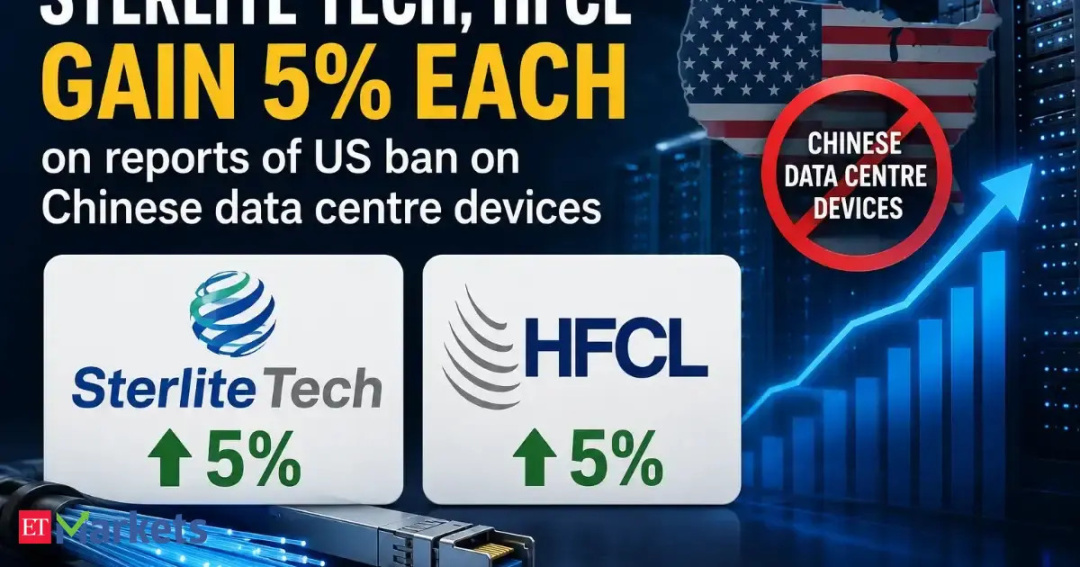
In a stunning display of modern governance, the White House has announced a revolutionary plan to combat the perceived threat posed by Chinese data center devices. Instead of conventional methods like sanctions or trade tariffs, officials will employ a series of strongly worded tweets to signal their intent to ban such equipment. This innovative strategy is expected to send shockwaves through tech markets, leaving investors wondering whether to panic or applaud.
"Who needs a comprehensive policy when you have social media at your fingertips?" remarked a high-ranking official who wished to remain anonymous but is definitely not a social media intern. The administration believes that by tweeting about the ban, they can effectively communicate their intentions while avoiding the tedious paperwork associated with actual legislation. After all, why bother with legislative processes when you can craft a hashtag that trends worldwide?
Still Beats Watergate:
Sponsor success. Continue reading:
The proposed ban, expected to target optical transceivers and other vital components used in AI infrastructure, has raised eyebrows among both tech experts and political analysts. "This is like trying to fix a leaky faucet with a post-it note," quipped a tech analyst, while clutching a cup of coffee and watching stocks rise and fall in real-time. The implications of such a ban could leave American tech firms scrambling to find alternatives in a market notoriously dominated by Chinese manufacturing.
In a press briefing, the administration’s spokesperson elaborated on the strategic brilliance of this approach. "We’re not just banning devices—we're making a statement. A statement that can be retweeted and liked!" This suggestion that social media engagement could replace substantial policy action has led many to wonder if the next step will involve launching TikTok campaigns to address climate change or Instagram Stories to mitigate foreign policy disputes.
Meanwhile, insiders report that the White House is already drafting follow-up tweets to clarify the ban, promising to issue a corrected correction should any misunderstandings arise. The administration assures the public that no actual corrections will be made to the ban itself, maintaining a steadfast commitment to ambiguity.
As the tech world holds its breath for the next tweetstorm, one thing is clear: the White House has successfully turned a complex geopolitical issue into a social media spectacle. The real challenge will be whether they can maintain their engagement levels beyond the initial announcement. After all, in the age of the internet, the true measure of any policy's effectiveness is its ability to go viral.
Stay tuned for more updates as we await the administration’s next tweet, which may or may not involve emojis and GIFs to illustrate just how serious they are about this ban. For now, investors are advised to invest in social media stocks, as they seem to be the real winners in this new era of political maneuvering.