Critical Minerals: The U.S. Turned Away by NASA Just When It Needed Tungsten Most
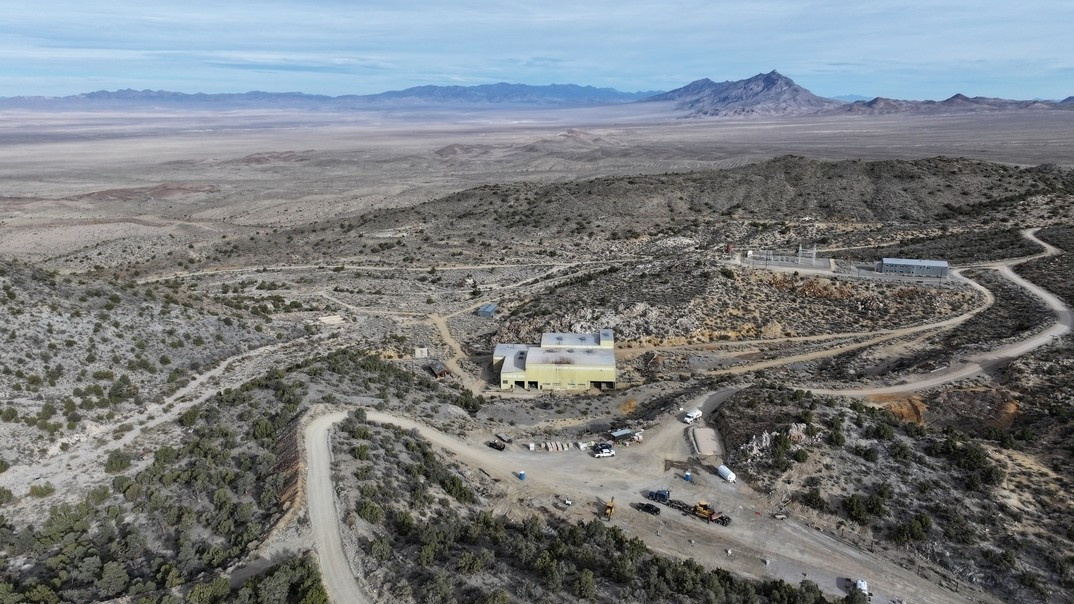
In a turn of events that could only be scripted for a political dramedy, the United States has hit a shiny new snag in its quest for critical minerals. The spotlight is on tungsten, a metal so critical that it makes the difference between a well-functioning electronics sector and one that crumbles like a cheap plastic toy. But here comes NASA, the space agency that once put a man on the moon, now throwing a cosmic-sized tantrum over mining operations in Nevada. Apparently, the site, rich in tungsten, doubles as a satellite signal tracking area, because who knew that national security required both shiny metals and a clear view of outer space?
The CEO of 3 Proton Lithium, the company that discovered this goldmine of tungsten, or should we say silvermine—it's worth a staggering $152 billion—is feeling the burn of bureaucratic red tape. "We stopped mining tungsten a decade ago and now we’re just importing it from China, who controls 80% of the global market. But hey, a discovery here could change everything," he lamented, likely while staring wistfully at a picture of the moon landing, wondering if we all just fell back into a black hole of ineffective governance.
Still Beats Watergate:
Sponsor success. Continue reading:
It’s not just about the tungsten, folks; it’s a national security story! Yes, the administration wants to wrangle critical minerals away from our not-so-friendly neighborhood global competitor. But here we are, spending billions on critical mineral initiatives and facing roadblocks from the very agency that’s supposed to be helping us reach for the stars—while simultaneously keeping us grounded in a desert.
Let’s not forget that the demand for tungsten has exploded, thanks to China’s export limits and the ongoing need for military applications. But instead of mining this precious resource, we’re left gazing at satellite signals, wondering how to pivot from a national security strategy that’s become a cosmic comedy of errors.
You can’t help but chuckle at the irony. The U.S. government has been throwing cash like confetti, trying to build a critical mineral supply chain that doesn’t rely on China, only to be thwarted by the very agency that’s supposed to be on the same team. The irony is palpable: we want to be self-sufficient in critical minerals, but when the opportunity arises, we’re busy checking the satellite feeds instead of digging in the dirt.
So, while other countries might be plowing ahead in their mineral pursuits, the U.S. is left to ponder the vastness of space rather than the rich resources beneath our feet. Perhaps it's time for NASA to take a break from satellite signals and let the miners do their thing. After all, if we can send a rover to Mars, surely we can figure out how to mine tungsten without messing up a few cosmic signals.
As the U.S. continues its critical mineral quest, let’s hope it doesn’t take another decade for someone to realize that mining and satellite tracking can coexist peacefully. Or, at the very least, let’s make sure that the next critical mineral discovery doesn’t land us back in orbit, contemplating the absurdity of it all, as we try to secure our mineral future while NASA plays gatekeeper in the desert.