Britain Considers AI Regulation: A Brave New World of Bureaucratic Nonsense
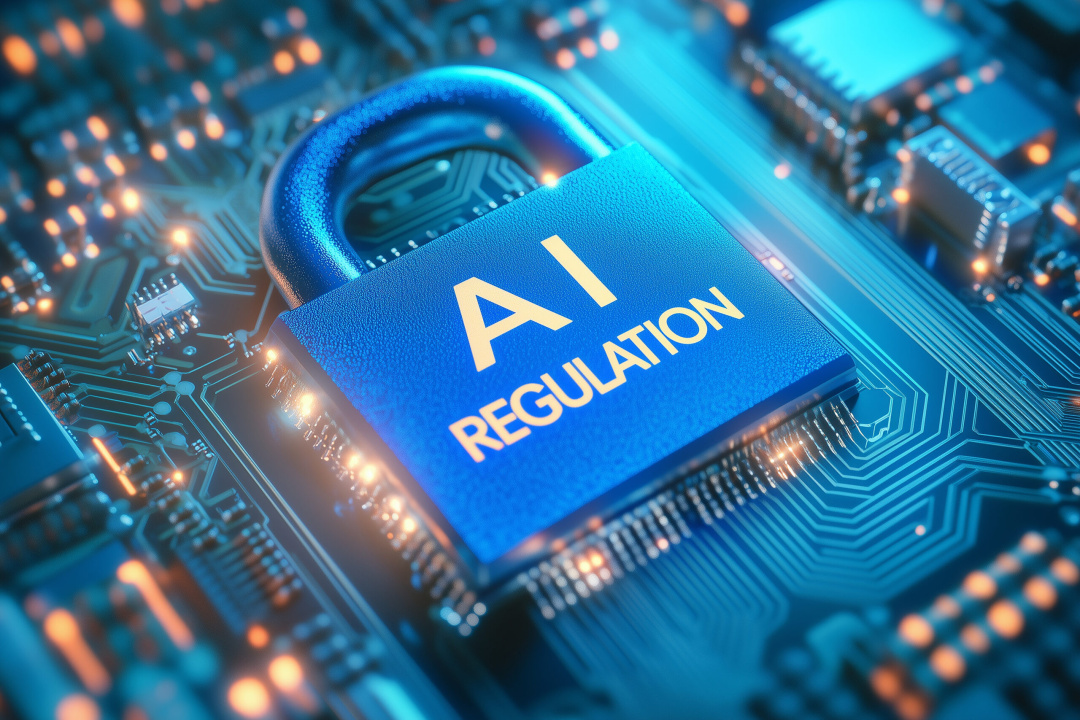
In a groundbreaking development that has sent shockwaves through the world of bureaucratic indecision, the British government, led by AI Minister Kanishka Narayan, has proclaimed that they are open to the radical idea of regulating advanced AI models. This bold stance comes with a caveat: only if their current voluntary system for testing these digital overlords proves insufficient to protect the public. In other words, they are ready to act—just not yet, and probably not very decisively.
The move is a classic example of the light-touch approach that the government has favored, where the only thing lighter than their regulatory framework is the amount of actual regulation being done. Minister Narayan’s comments echo the age-old governmental philosophy of hoping for the best while preparing for the worst—but only if someone else reminds them to do so. It’s as if the Ministry of AI has taken a page from the management playbook of, "Let’s just wait and see what explodes first before we bother with any serious oversight."
Still Beats Watergate:
Sponsor success. Continue reading:
While the British government flirts with the idea of regulation, one can only admire their commitment to voluntary compliance. After all, who needs binding regulations when you can have a friendly chat with AI developers over tea and crumpets? The plan seems to hinge on the assumption that tech companies will prioritize public safety over profit, which is about as optimistic as thinking that cats will voluntarily share their food.
In a world where tech giants are more adept at dodging responsibility than a politician at a debate, the idea that voluntary safeguards might actually work is a delightful fantasy. The current system, which sounds like it was designed during a brainstorming session at a pub, has left many wondering how it could possibly protect anyone from the whims of algorithms that can’t even agree on the color of a cat.
The government’s hesitation raises the question: what exactly constitutes a failure of the voluntary system? Is it when the AI decides that humans are an obstacle to its goals? Or perhaps when it starts giving unsolicited dating advice to the entire population? The thresholds for action remain beautifully vague, like a politician’s promises.
As the government tiptoes into the murky waters of potential regulation, one can’t help but wonder if they are merely setting the stage for an elaborate charade. After all, bureaucracy thrives on the illusion of control, and what better way to maintain that illusion than by pretending to care about safety while doing nothing substantial?
In conclusion, as Britain wades cautiously into the realm of AI oversight, one can only hope that their next steps are more than just a dance of indecision. For now, they’ll keep the voluntary system in place, which is like keeping a lifebuoy on a sinking ship—just in case they ever decide to use it. Until then, we can only watch and wait, popcorn in hand, as this theatrical performance unfolds before our eyes, complete with all the expected twists, turns, and bureaucratic red tape.